T
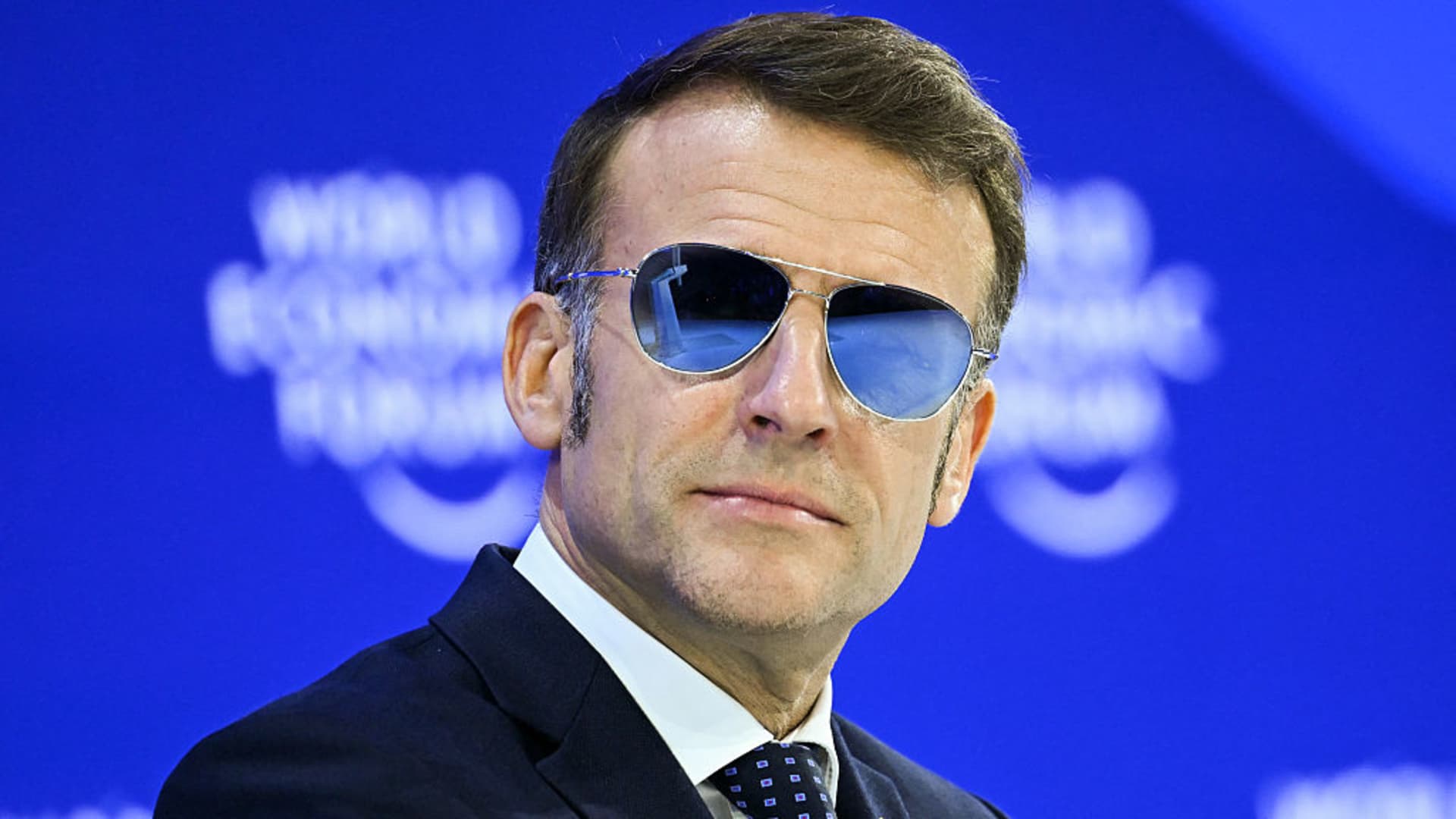
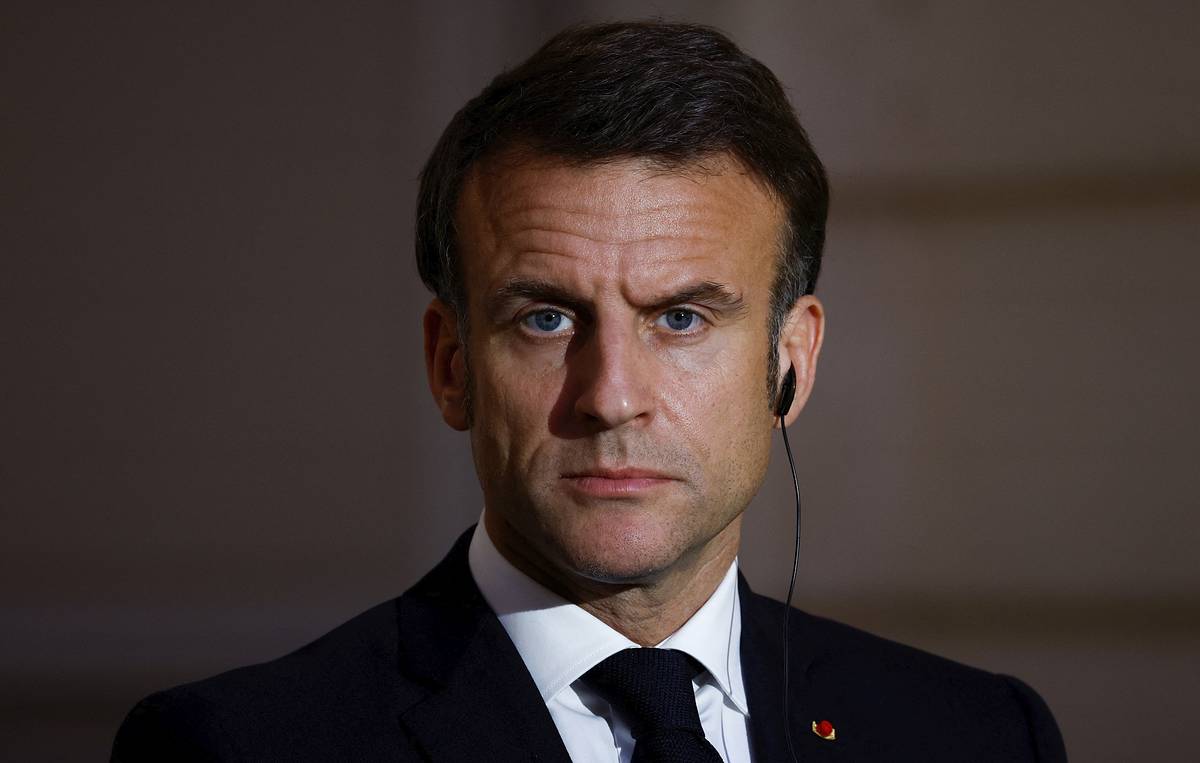
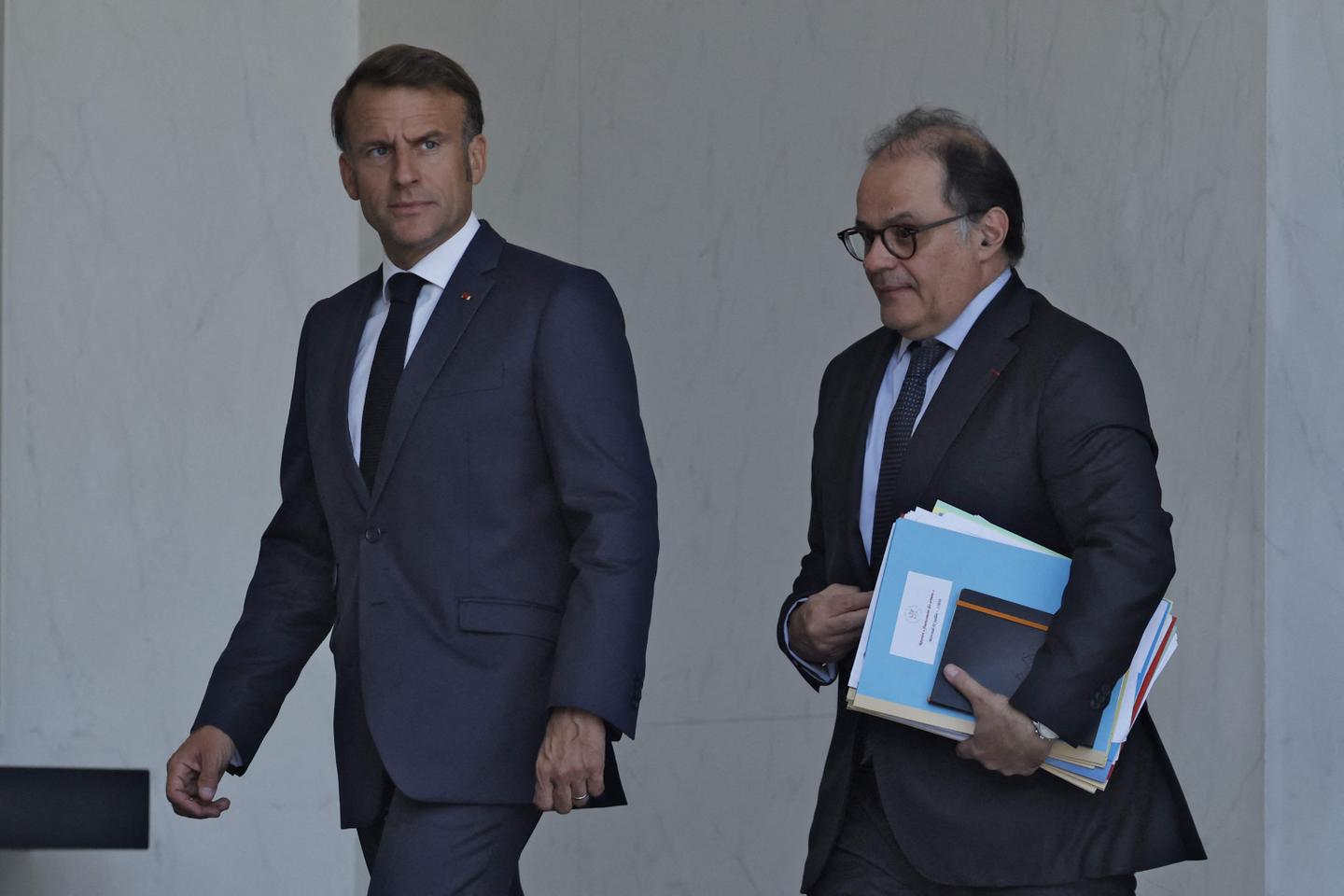
his is now a familiar refrain from Emmanuel Macron. According to the French president, the European Central Bank (ECB) is too strict and imposes interest rates that are too high, suffocating the French economy. In early December 2025, in an interview with Les Echos, he stated: "European monetary policy seems to me to be something that could be clearly adjusted today."
Macron has frequently criticized the ECB. In 2020, at the onset of the Covid-19 pandemic, he called on the institution to act more swiftly to calm the markets. In 2022, he warned against the rapid increase in interest rates, which he felt was too fast. In 2024, he suggested changing the central bank's mandate to include growth, in addition to inflation, as is already the case for the US Federal Reserve (FED).
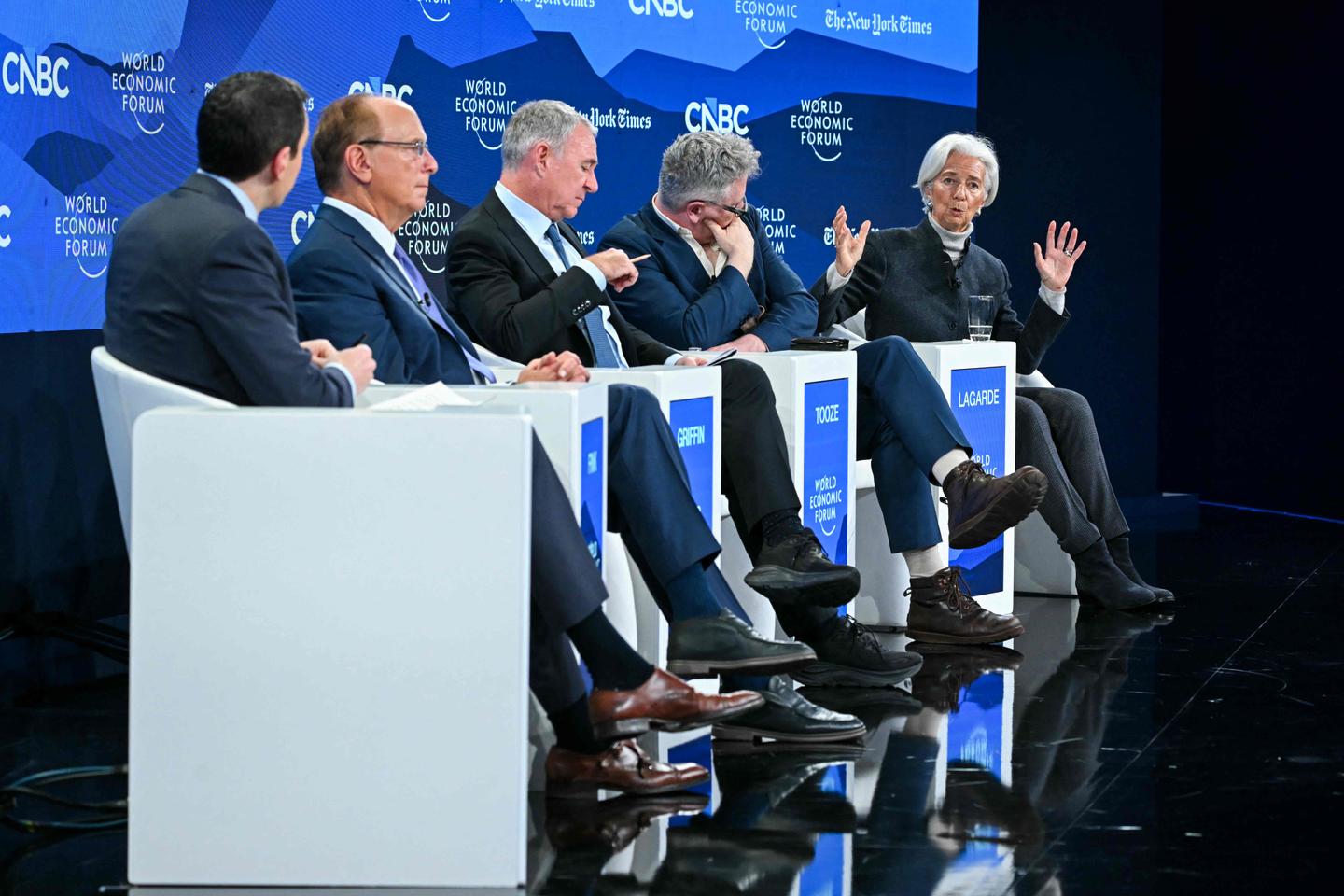
Are these attacks justified? In France, some economists have also voiced frustration with the ECB's monetary policy. The most prominent among them, Nicolas Goetzmann, chief economist at asset management firm La Financière de la Cité, wrote in an op-ed for Le Monde in December 2025 that "the French economy is subject to the most restrictive monetary policy in the Western world." According to Goetzmann, the ECB was wrong to raise interest rates so rapidly between 2022 and 2023, from -0.5% to 4%.