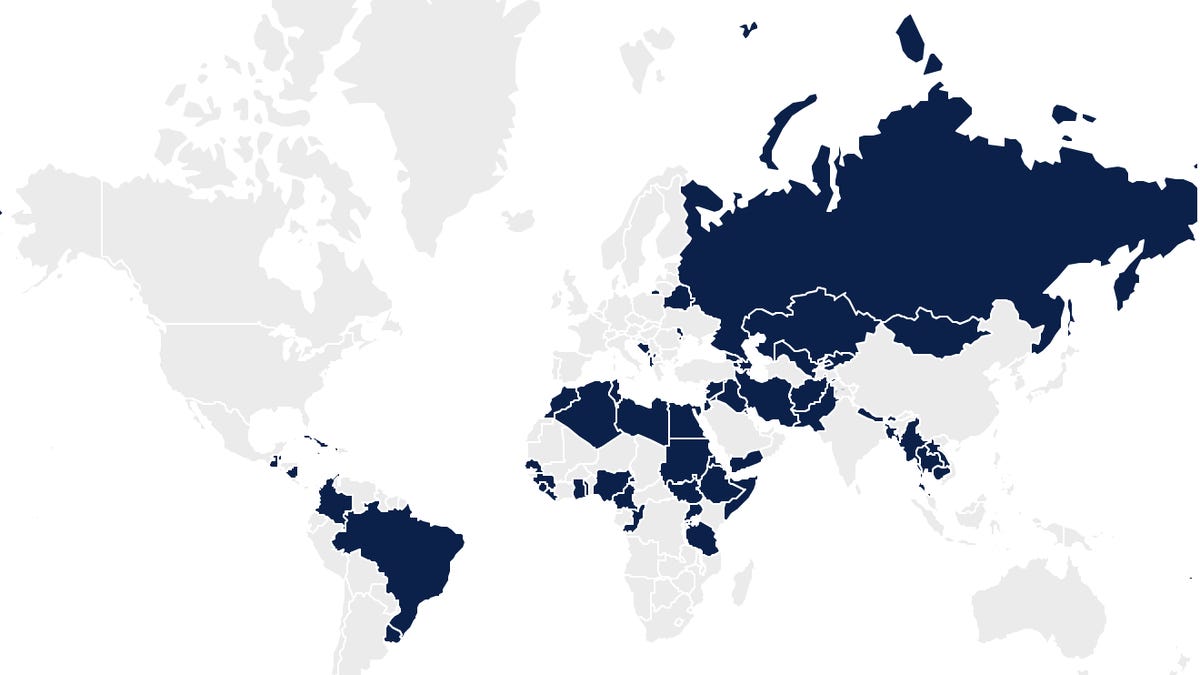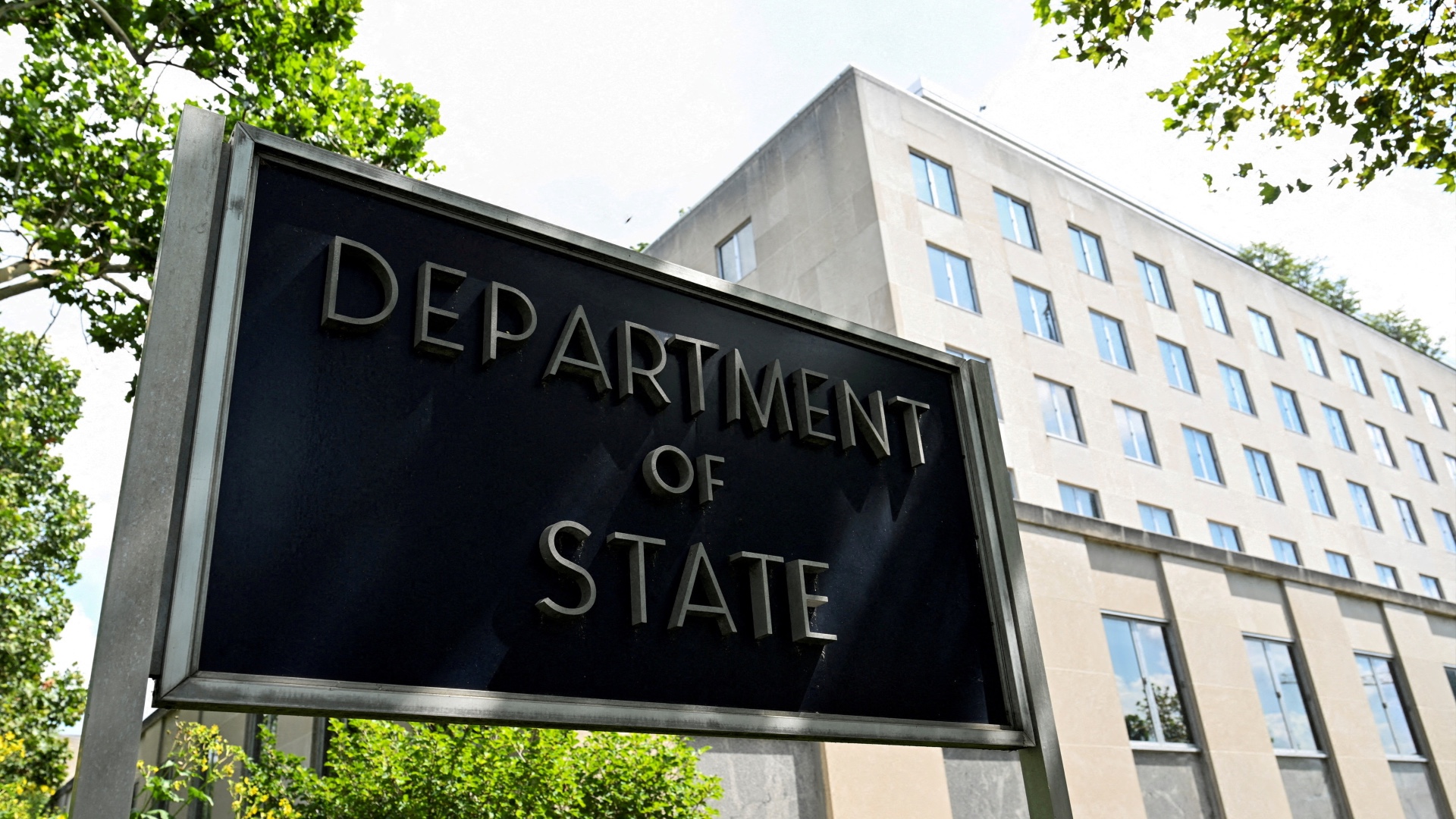
When the Trump administration announced earlier this month that it would suspend the issuance of immigrant visas to the nationals of 75 countries starting on 21 January, the list had a definitive outlier: the state of Kuwait, a major non-Nato ally to the US, nestled between Iraq and Saudi Arabia.
The country is so small that an unimpeded hour-long drive could take you from one end to the other.
But it's also one of the richest, with a per capita GDP of nearly $33,000, according to the World Bank, which far outpaces much of the world. The social safety net is so generous that citizens have comfortably retired in their late 40s.
Its currency, the Kuwaiti Dinar, is among the strongest in the world.
So how did Kuwait end up on a list of countries whose migrants the US says "take welfare from the American people at unacceptable rates?"