Evonne Goolagong Cawley Day is a welcome initiative but meaningful change will only come with a structural approach
T
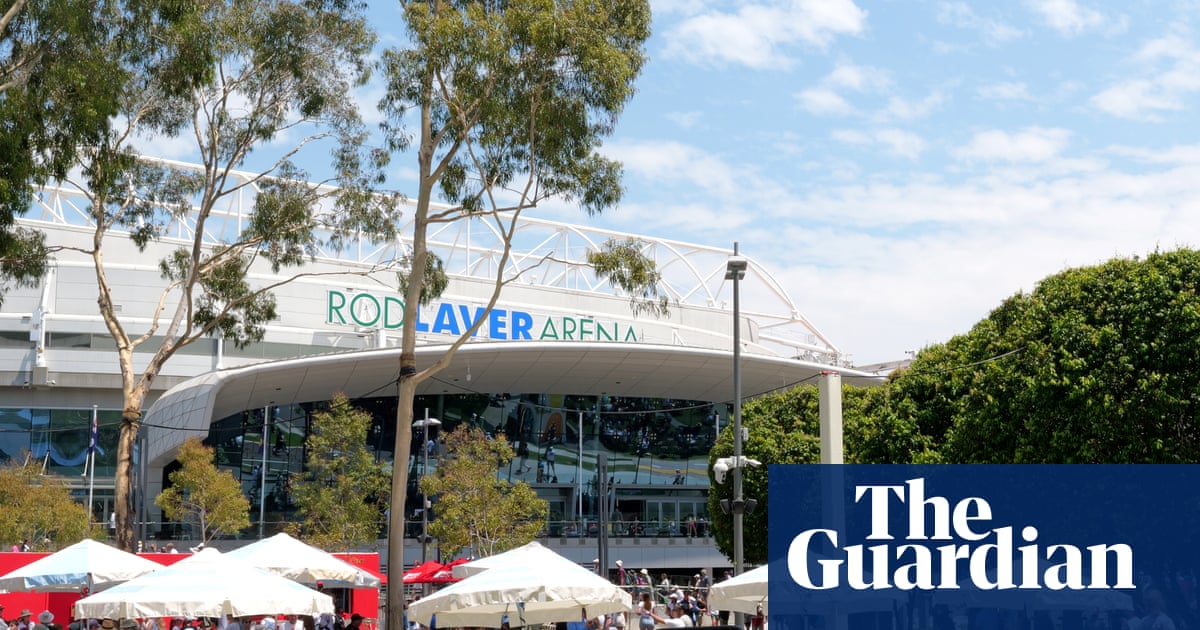
he riverside walk to the Australian Open courts is a scenic joy for the sporting pilgrim. Rowing crews train up and down the water, framed by the city’s sun-flecked skyline. The Melbourne Cricket Ground floodlights signal distantly ahead. Beneath the feet of the crowds hurrying to ticket barriers, the concrete path transforms into an artwork: a twisting confluence of eels honouring their Yarra River migration, which once provided abundant food for the Wurundjeri people.
On Wednesday the celebration of country continued inside the precinct. This was Evonne Goolagong Cawley Day, when the tournament celebrates First Nations people and culture. A packed schedule of entertainment included a smoking ceremony on the steps of Margaret Court Arena, a Q&A with Cathy Freeman, and a performance from the Coodjinburra pop star Budjerah. There were taster sessions and weaving workshops, and all the ball kids were from tennis programmes for Indigenous peoples.
It was sad that Goolagong Cawley, now 74, was ill and couldn’t be there in person. But even in her absence, her influence on Indigenous sport is strongly felt this month. Two weeks ago, a new TV drama of her career aired, acclaimed for its dignified portrayal of her rural upbringing and subsequent journey to grand slam success. But it also captured her significance to her community and to Australians more widely – not merely as a barrier-breaking athlete and role model, but as a woman who would go on to foster and mentor ensuing generations.