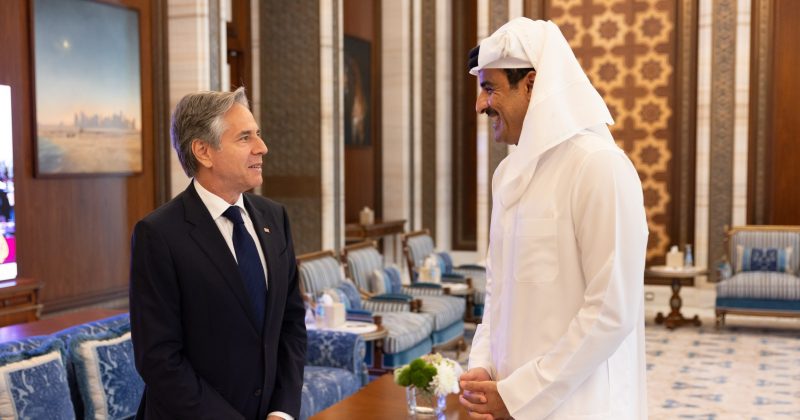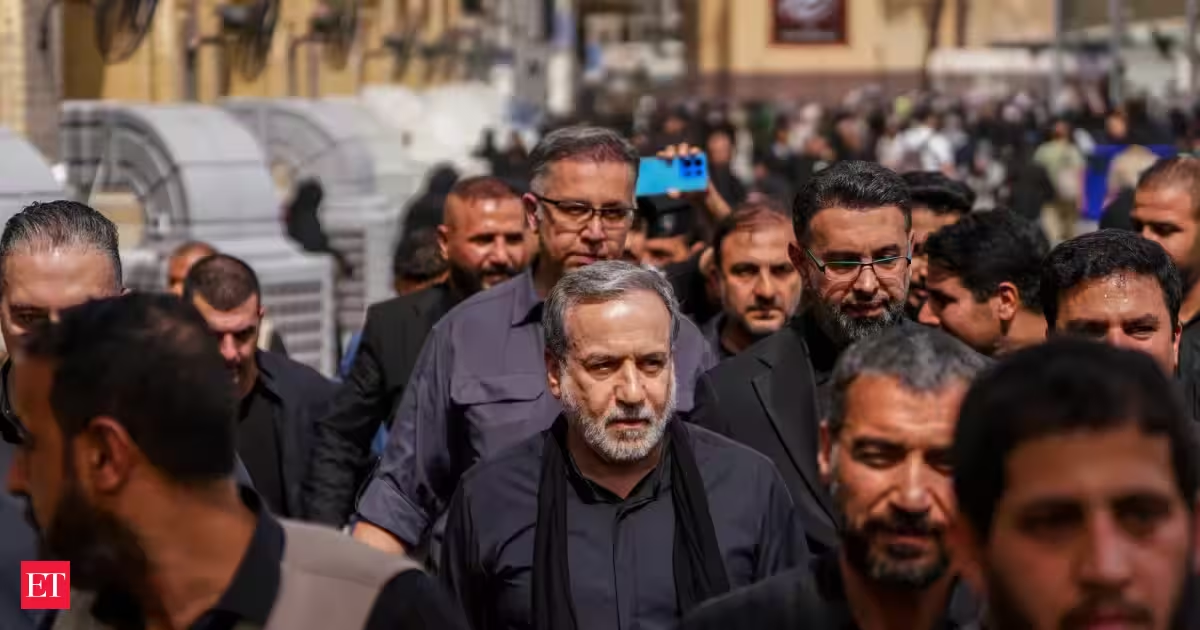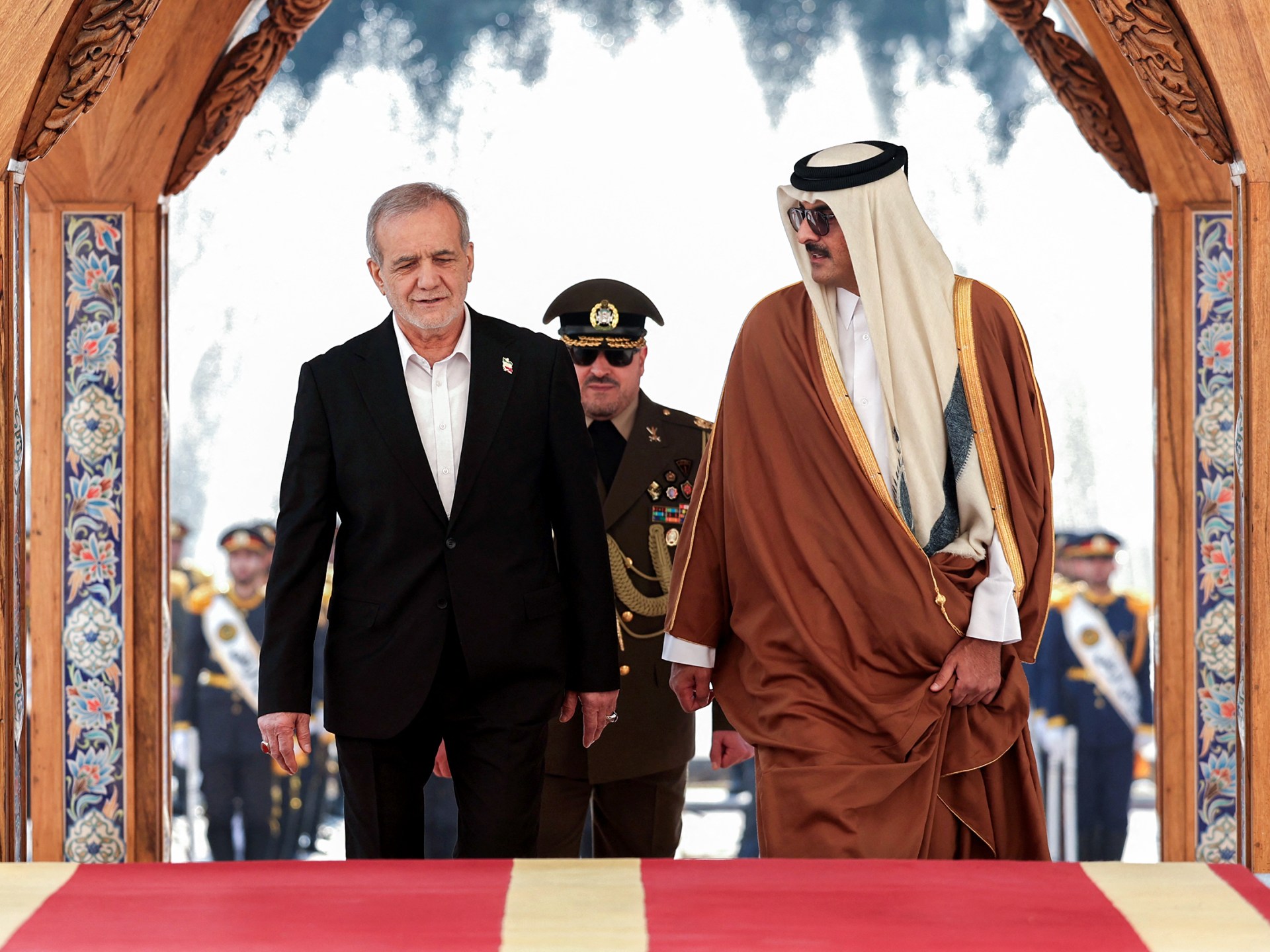
For Gulf states exposed to the costs of war, diplomacy is not idealism but strategic risk management.
Senior Researcher at the Center for Conflict and Humanitarian Studies.
Share
Save
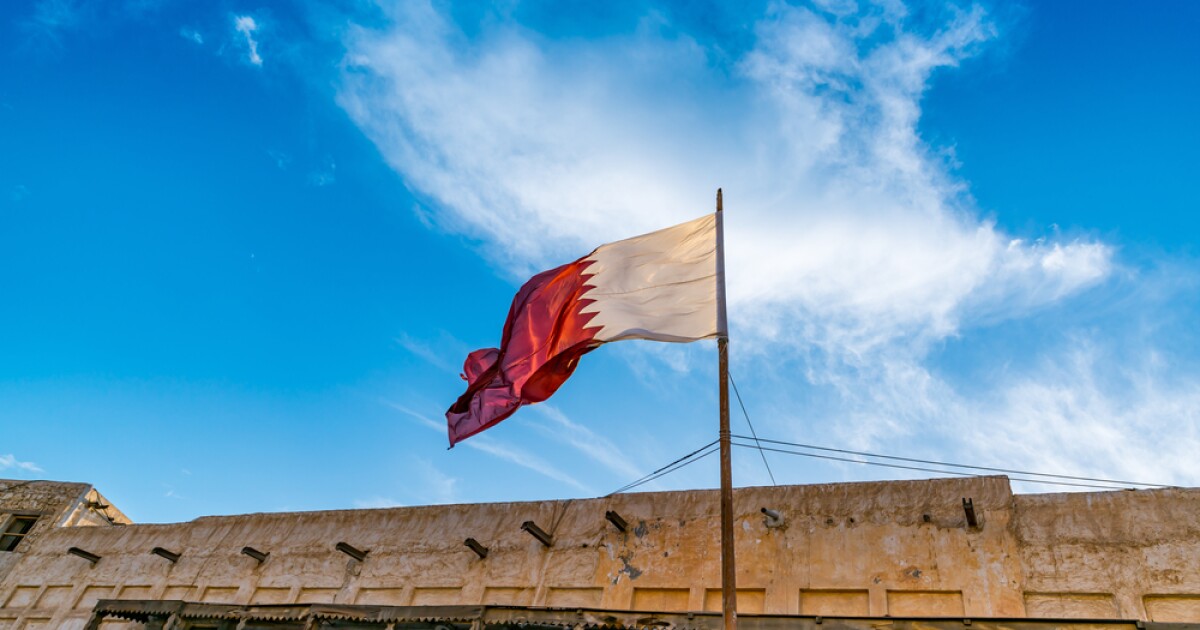
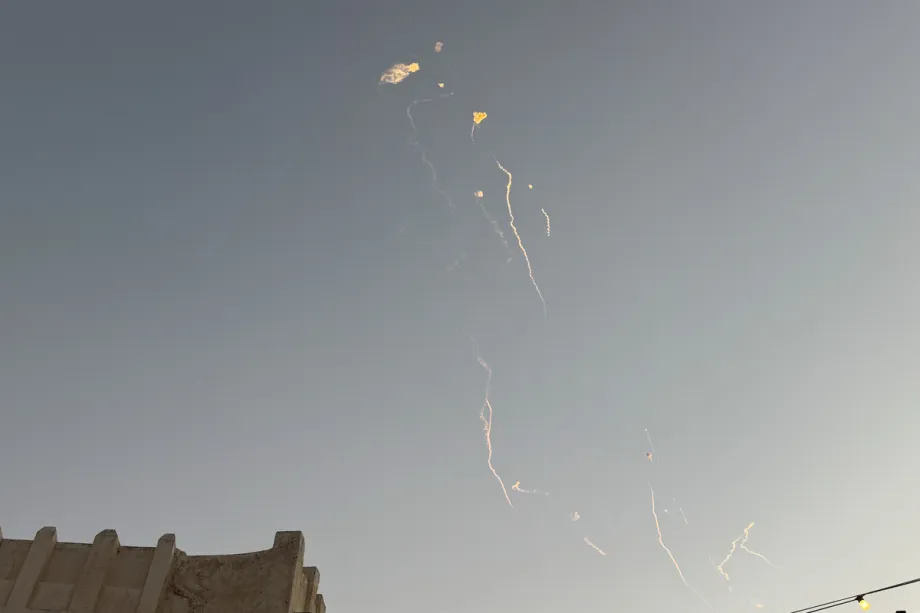
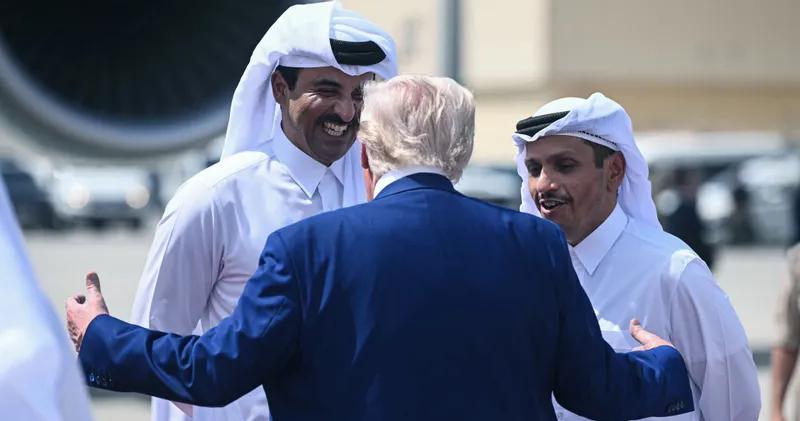
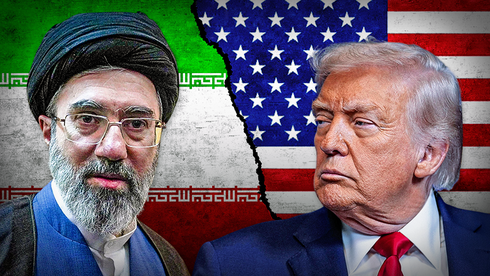
The confrontation between the United States and Iran has entered a more volatile phase, marked by direct military strikes, heightened rhetoric and the steady erosion of long-standing restraints. From attacks on Iranian nuclear facilities to Tehran’s calibrated retaliation across the region, the risk of escalation has become tangible rather than theoretical. For Gulf states, whose security and economic stability are directly exposed to any US–Iran conflict, the implications are immediate. It is within this environment that Qatar’s diplomacy between Washington and Tehran should be understood: not as neutrality for its own sake, but as a calculated effort to contain risks that escalation would only magnify.