A version of this article first appeared in the CNBC Property Play newsletter with Diana Olick. Property Play covers new and evolving opportunities for the real estate investor, from individuals to venture capitalists, private equity funds, family offices, institutional investors and large public companies. Sign up to receive future editions, straight to your inbox.
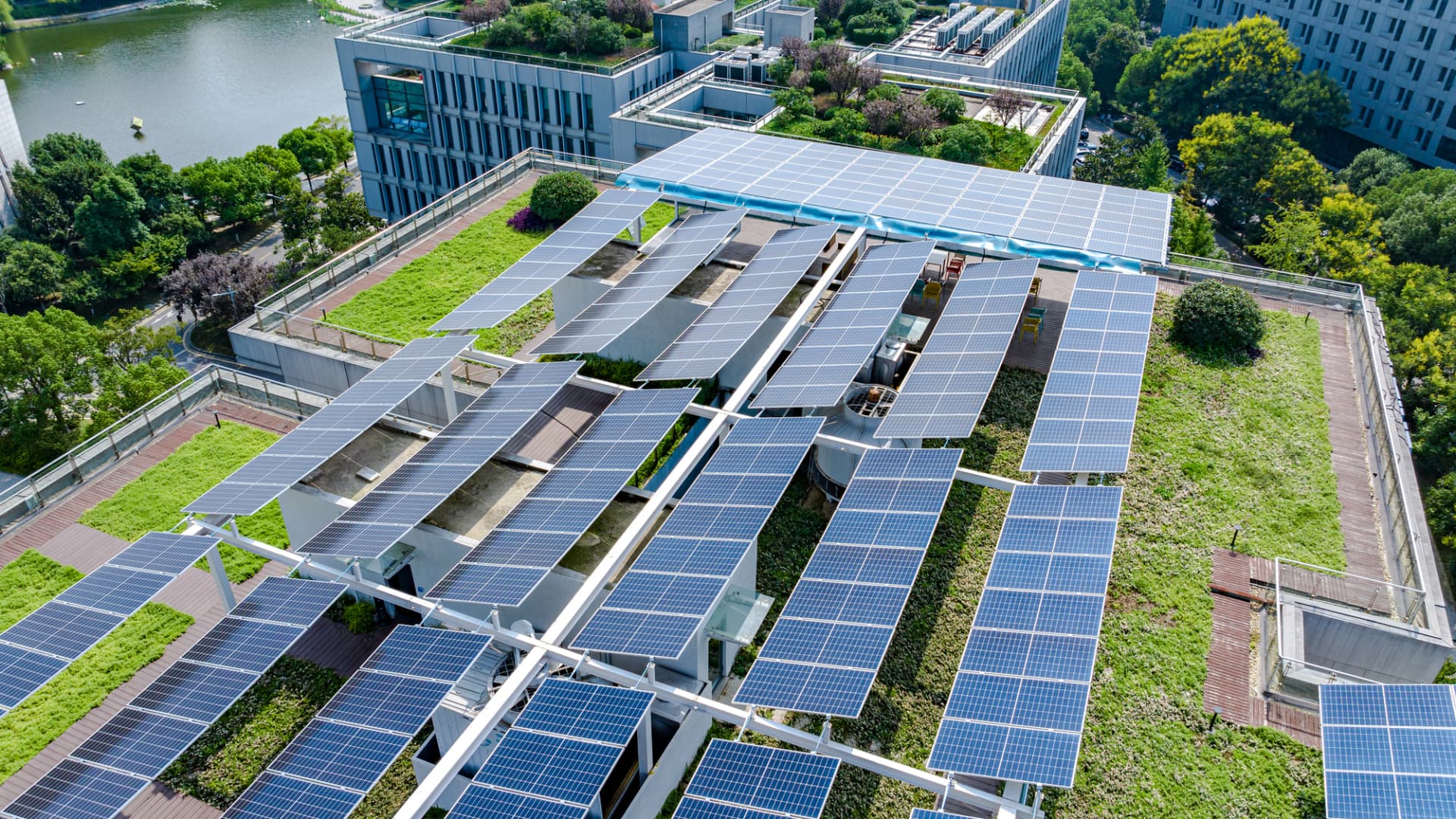
A specific kind of loan that helps owners of commercial buildings pay for big upgrades to save energy or water, add renewable power, or improve resilience is seeing huge growth in a lending environment that has been arguably tough.
This month, Nuveen closed a $465 million C-PACE deal for The Geneva, a landmark office-to-residential conversion in Washington, D.C. The transaction represents the largest C-PACE financing in history.
C-PACE, which stands for commercial property assessed clean energy, is a type of financing that differs from a traditional bank loan. It operates at the state level, requiring local leaders to pass enabling legislation. The amount of the loan is added to the property’s tax bill and repaid over a long period (often up to 20 or 30 years). This can make energy-saving projects more affordable, because the payments are spread out, typically at fixed rates, and the upgrades can lower operating costs and increase property value.