https://arab.news/vwz4p
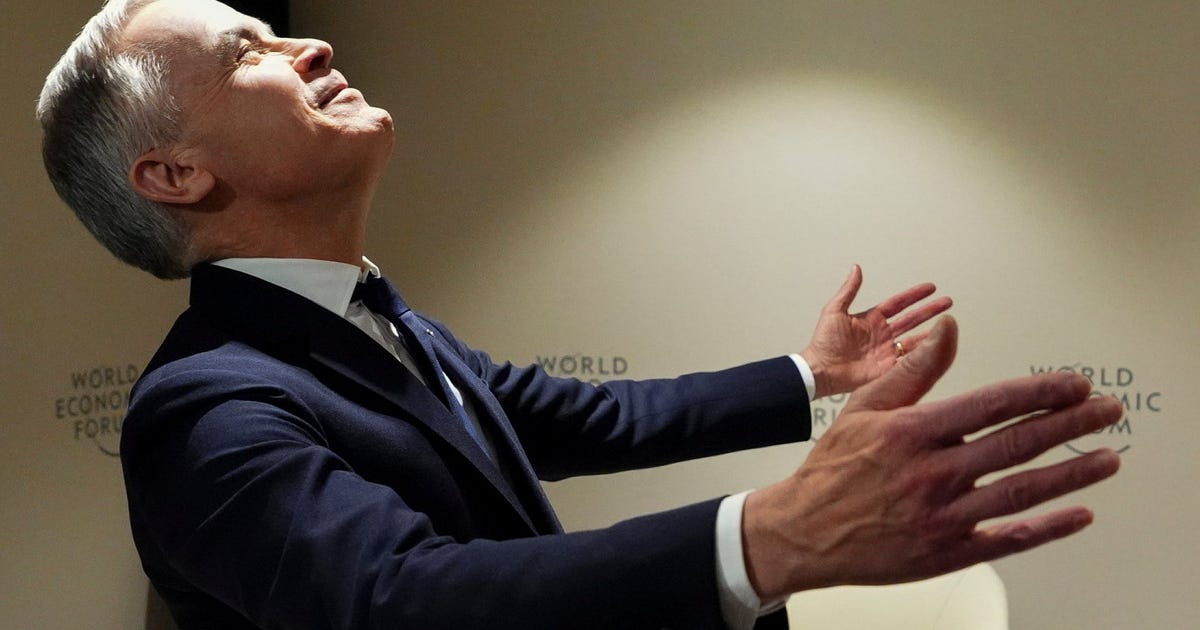
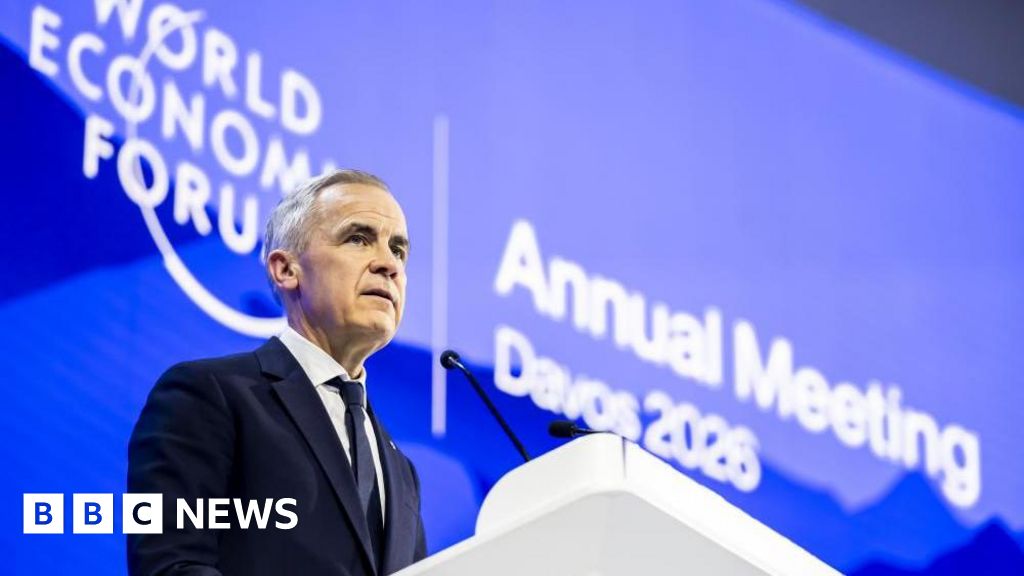
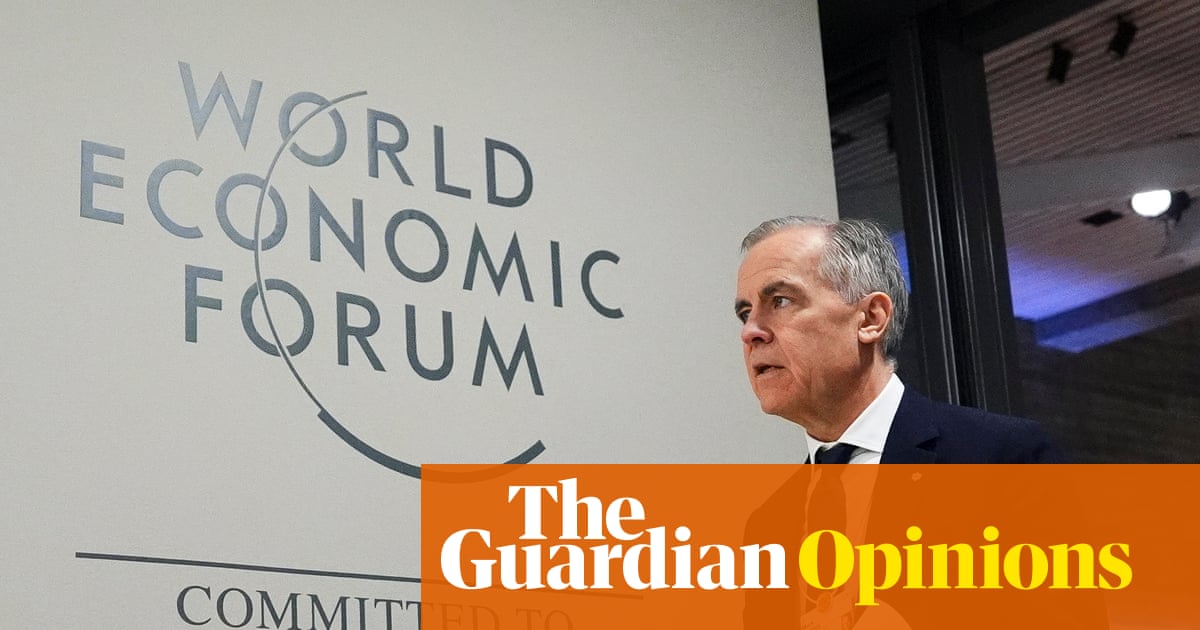
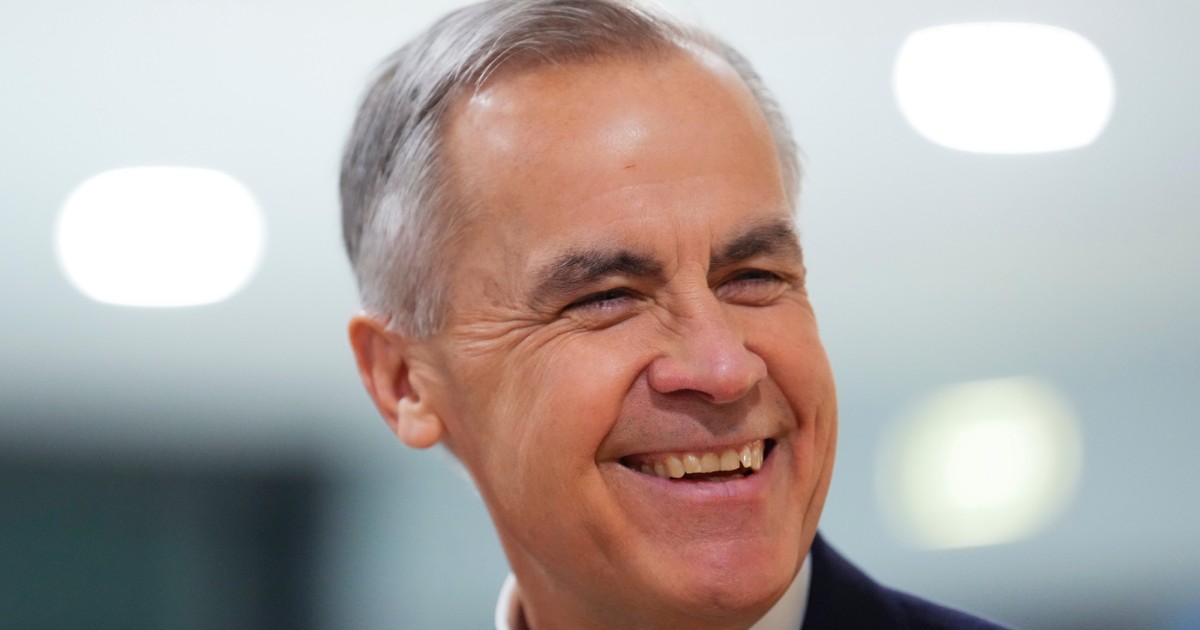
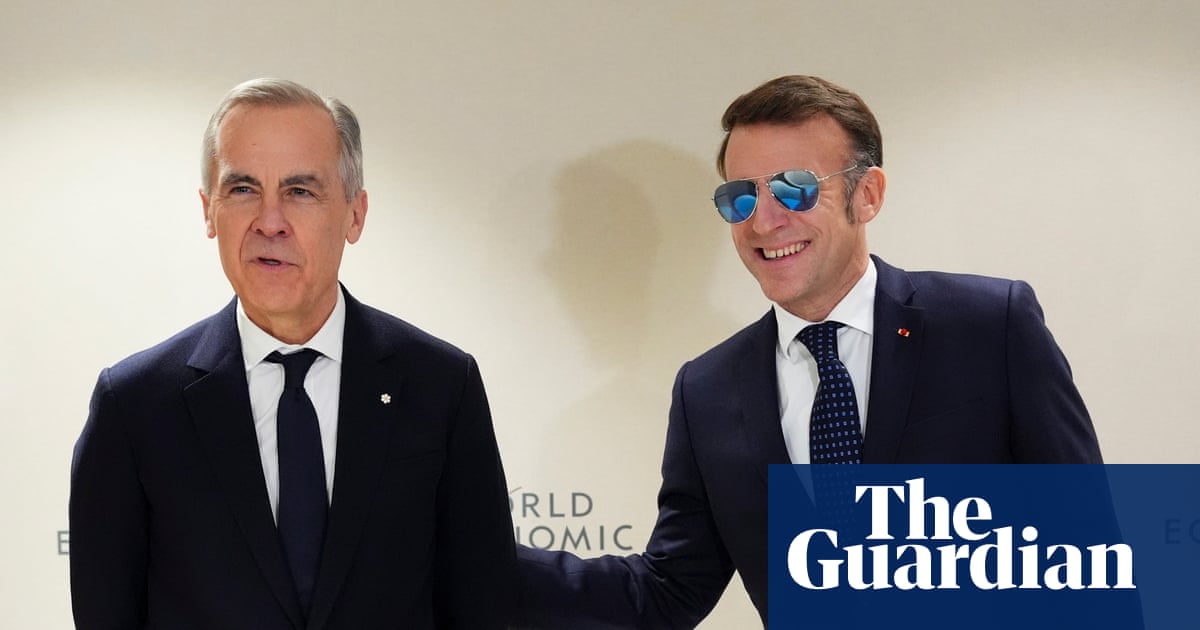
In the snow-capped Swiss town of Davos, Canadian Prime Minister Mark Carney on Tuesday delivered a speech that cut through the polite veneer of global forums. Urging leaders to abandon the “rules-based order” as mere theater, he invoked Vaclav Havel’s essay “The Power of the Powerless” to critique performative gestures like shopkeepers in Soviet-era Czechoslovakia who displayed unity slogans without conviction.
Carney’s message was stark: we are not in a smooth transition to a better world but amid a profound rupture, where economic integration has morphed into a tool of rivalry through tariffs and disrupted supply chains. For middle powers like Canada — and, by extension, nations across the Arab world — he said this demands “value-based realism,” a blend of principled action and pragmatic adaptation.
Carney’s words resonate deeply in our region, as great-power competitions echo from the Arctic to the Arabian Gulf. As the world shifts toward multipolarity, outdated Western models of aid and influence give way to self-reliant progress. Yet, amid this flux, fear often dominates the discourse, breeding disastrous outcomes.
The terminology leaders used to frame our global predicament, be it “transition,” “crisis” or “rivalry,” reveals the tangled legacy of industrialization, colonialism and now artificial intelligence’s grip on labor markets. Global warming, exacerbated by unchecked technology-driven consumption, underscores the urgency. Commercial law, once a unifier, now navigates this practical multipolarity, where AI and manufacturing promise innovation but demand equitable policies.