https://arab.news/64fqd
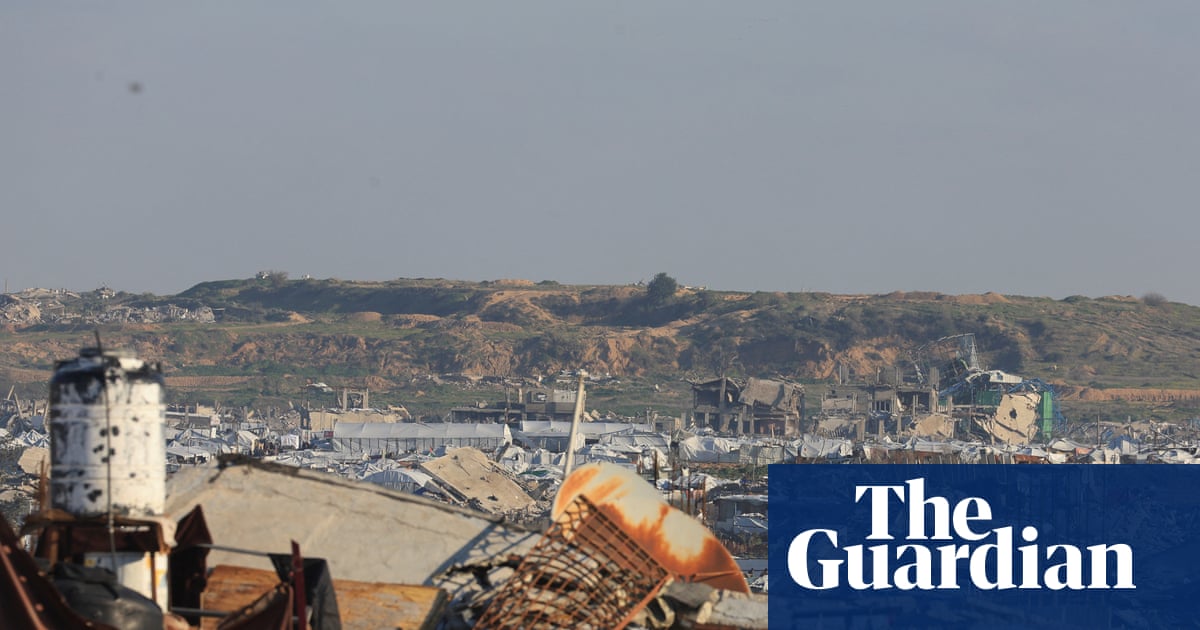
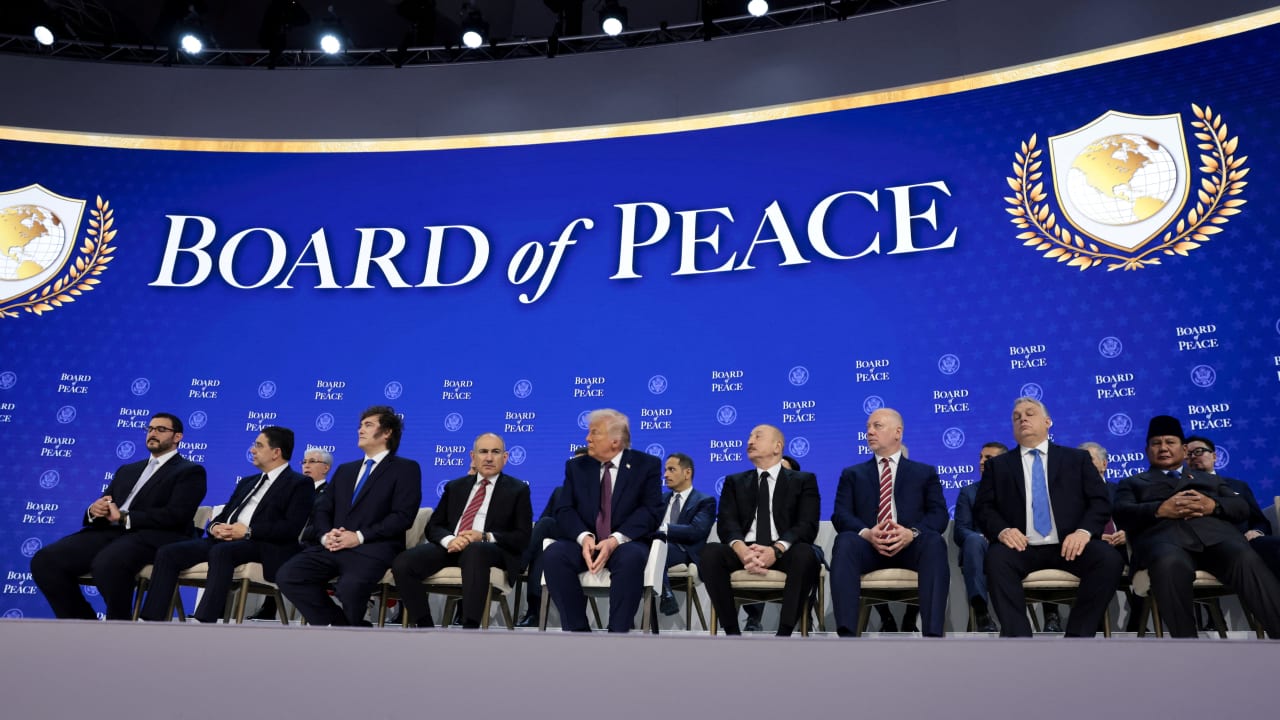
Once again, Gaza has returned to the center of international debate, not through an announcement of peace but through a proposal for management. Under US President Donald Trump’s 20-point peace plan for Gaza, accompanied by strong American messaging and dense organizational language, an old dilemma has resurfaced in a new form: Is the world finally searching for an exit from the Gaza war or merely redesigning the mechanisms used to contain it?
At first glance, the plan, which is now entering its second phase, appears ambitious. It speaks the language of coordination, stability, reconstruction and postwar governance. It suggests international oversight, regional participation and an administrative framework that would, in theory, prevent Gaza from sliding back into chaos once the fighting subsides. Yet beneath this polished surface lies a deeper, unresolved tension — one that has haunted every previous attempt to “solve” Gaza without confronting its political core.
The idea of international or quasi-international management of Gaza is not new. Variations of it have surfaced repeatedly over the past two decades, particularly after each major escalation. What changes are the labels, the actors involved and the institutional architecture. What remains constant is the underlying assumption: that Gaza can be stabilized administratively while its political status remains suspended.