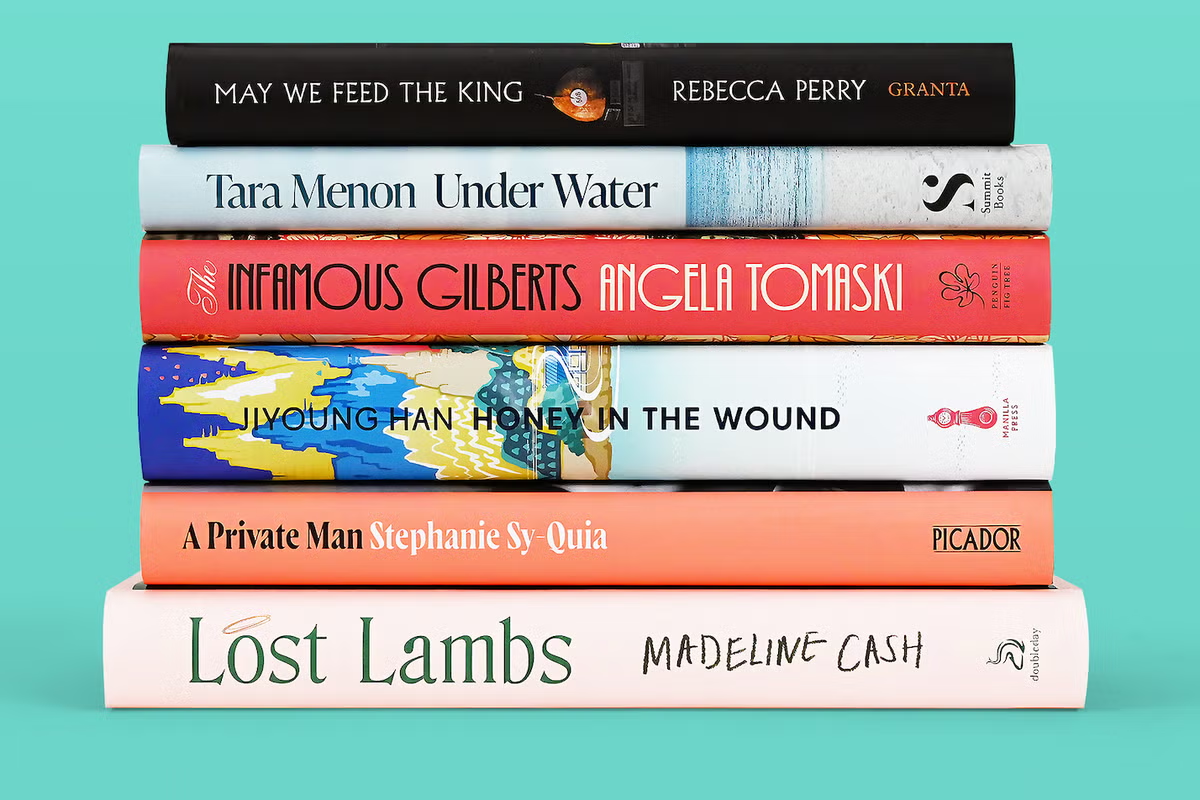
The plight of a reluctant medieval king is glimpsed through scattered pieces of the past, in an ingenious novel that asks how much we can really know about history
I
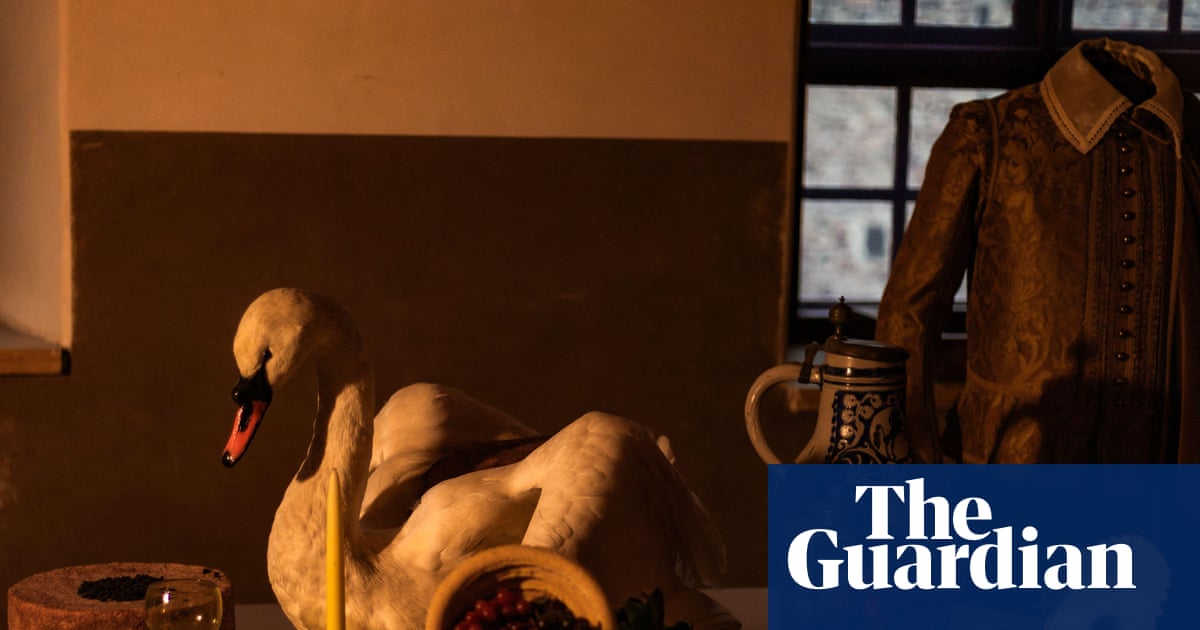
n a medieval palace an unnamed king chafes under the new and unsought burden of power. His uncertain fate plays out in the present-day imagination of an unnamed curator of unspecified gender, who has been employed by the palace to dress some of its rooms for public viewing in the wake of an undescribed personal tragedy.
It’s likely that you’ll either be utterly intrigued or deeply put off by that summary of poet Rebecca Perry’s debut novel, May We Feed the King, a highly wrought puzzle-box of a book which deliberately wrongfoots the reader at every turn. However, the intrigued will find that it richly rewards those who approach it with curiosity – just not in the ways we as readers (and as interpreters of stories in any form) have been trained to expect.
The book opens directly into the airless and unemotional life of the Curator as they visit the historic house to take up a new commission. “When you see a replica feast scene in the great hall of an old building, I am the person who placed the pomegranates beside the pie, and for very good reason,” they explain. We are initiated into a world in which historically accurate foodstuffs can be ordered online – “a half oyster shell, the exposed flesh shining as if with the freshest brine, is £31.25 for a single piece” – and begin to understand one of the most striking things about this novel: its insistence upon detail, its utter specificity, set against a deliberate lack of specificity regarding the larger details that the reader’s mind naturally itches to fill in. We are told everything – and nothing at all.