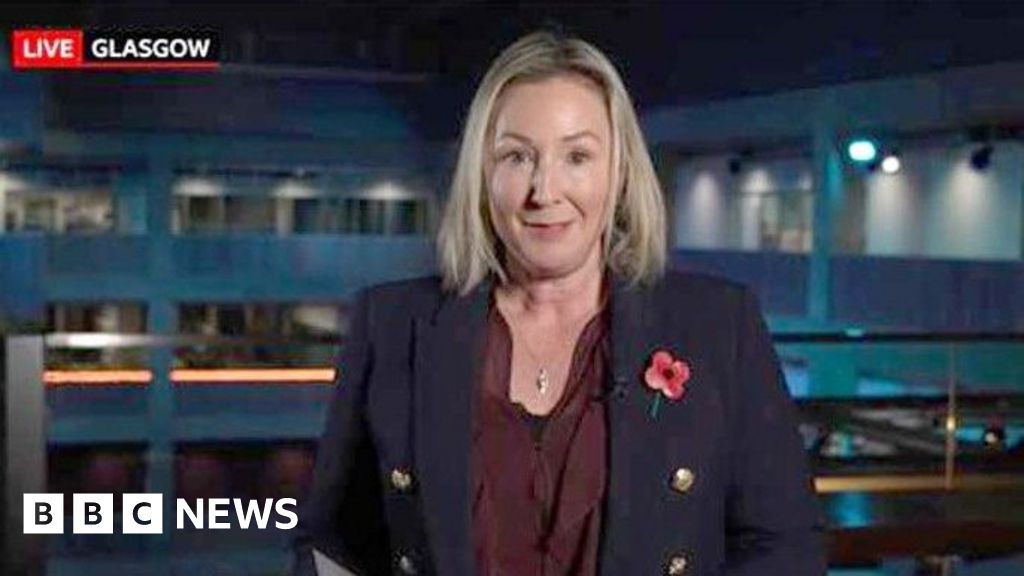
Back in November, I posted a note on LinkedIn about brain fog. I dashed it out in about 10 minutes - how for the first time in my 20-year career, I ended up using notes while doing live TV news thanks to the perimenopause brain fog. I didn't expect many replies.
To my surprise, it sparked a national conversation. I was overwhelmed with wonderfully supportive messages – nearly 400 comments on LinkedIn and dozens of private messages, and hundreds more beneath a piece about it on the BBC News website. Many of them followed similar lines: calling me "brave" for speaking out. Or thanking me for "normalising" brain fog.
I didn't feel particularly brave (or normal!) at the time - but it did spell out to me just how much shame and stigma was attached to some of the symptoms of perimenopause and menopause, even though it affects pretty much half the population at some point in their life.
Hollywood stars like Oprah Winfrey and Halle Berry have spoken out about their own experiences of menopause and its impact, as have TV presenters Davina McCall and Lorraine Kelly. Gwyneth Paltrow called for a "rebrand" of menopause back in 2018.
And there have been some changes. For example, menopause screening is to be officially incorporated into NHS health checks in England offered to women over 40 from this year. Plus, an Employment Relations Bill means that UK employers of 250 or more need to have "menopause action plans". This comes into effect from April 2027 (and on a voluntary basis from this April).