When Saudi Arabia arranged a $1.5bn arms deal with Sudan’s army in January, it had a condition: weapons would flow to the armed forces if General Abdel Fattah al-Burhan shifted away from Iranian drones, an official in the Gulf and a source briefed on the matter told Middle East Eye.
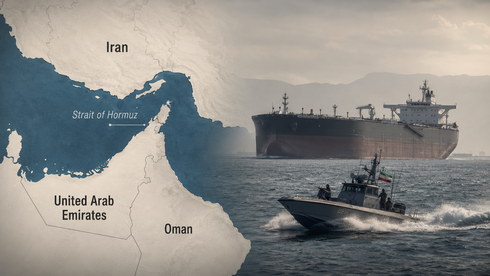
This diplomatic wheeling and dealing underscores how Gulf states like Saudi Arabia are discreetly trying to capitalise on Iran’s weakness, as Tehran copes with a potent mix of military setbacks against Israel and anger at home amid an economic crisis.
But some Gulf states are worried, analysts and western and Arab officials say.
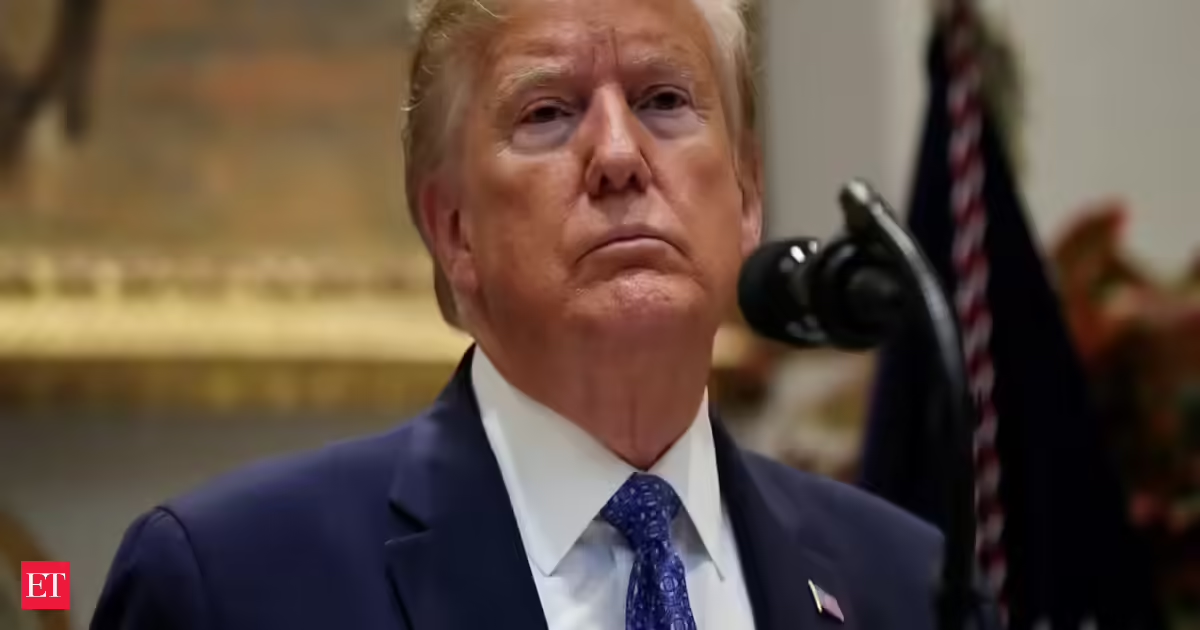
They believe that if US President Donald Trump attacks Iran, he could spoil a new equilibrium that may allow them to obtain quiet concessions and revive nuclear negotiations without the risk of conflict.
“There is an advantage for the Gulf in a weak Iran that is not engulfed in chaos,” Joshua Yaphe, a senior fellow at the Center for the National Interest, told MEE.