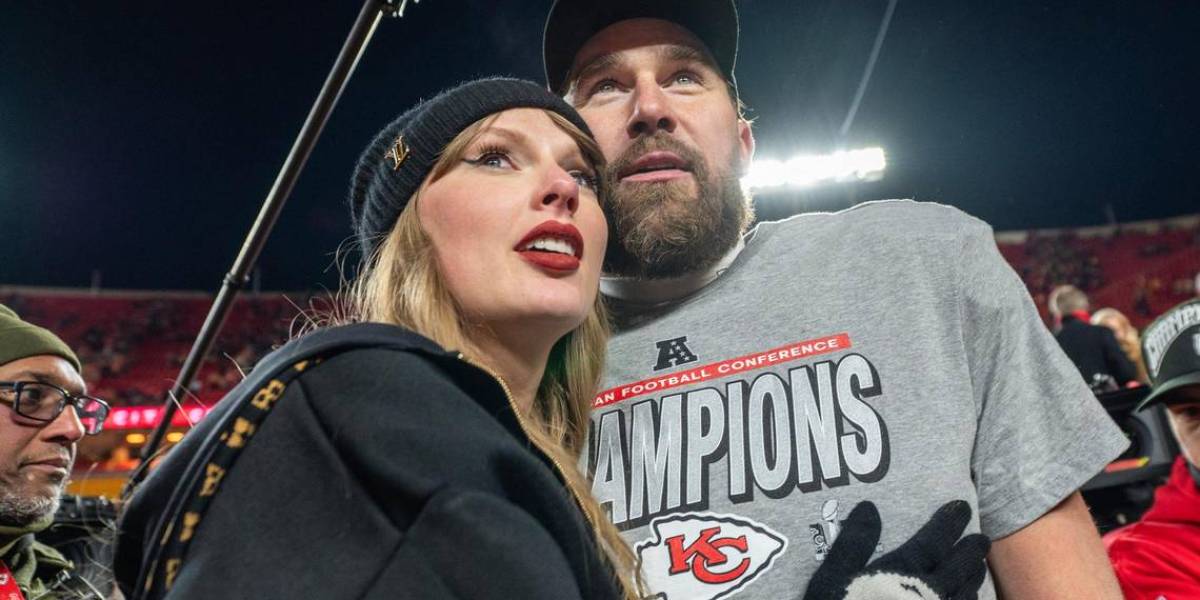
Taylor Swift’s latest album, “The Life of a Showgirl,” generated a cultural whirlwind: chart-topping success, social media saturation and frenzied debate over her artistic evolution.
Nonetheless, despite this warm reception, opinions on Swift are deeply polarized by party. Democrats are far more likely to view her positively; Republicans are more likely to hold negative views. This partisan divide remains in place even after accounting for age, gender and other demographic differences.
We are political scientists who conduct research on public opinion. In our just-published study, “Mirrorball Politics,” we draw on national survey data to examine how Americans feel about Swift and what those feelings reveal about our politics. What we find is striking: Swift has become a cultural mirror, reflecting our society’s deepest social and political fault lines.
In other words, liking or disliking Swift has become yet another way Americans signal who they are politically. Young women love her, but young men don’t – and that gap matters.
This is part of a broader trend in which cultural preferences and political identity have collapsed into each other. The type of beer you drink, the kind of car you drive, the stores you shop at and now the musical artists you admire have become markers of political belonging – and difference.