Unprecedented times call for previously unthinkable conversations when it comes to the US-shaped problem
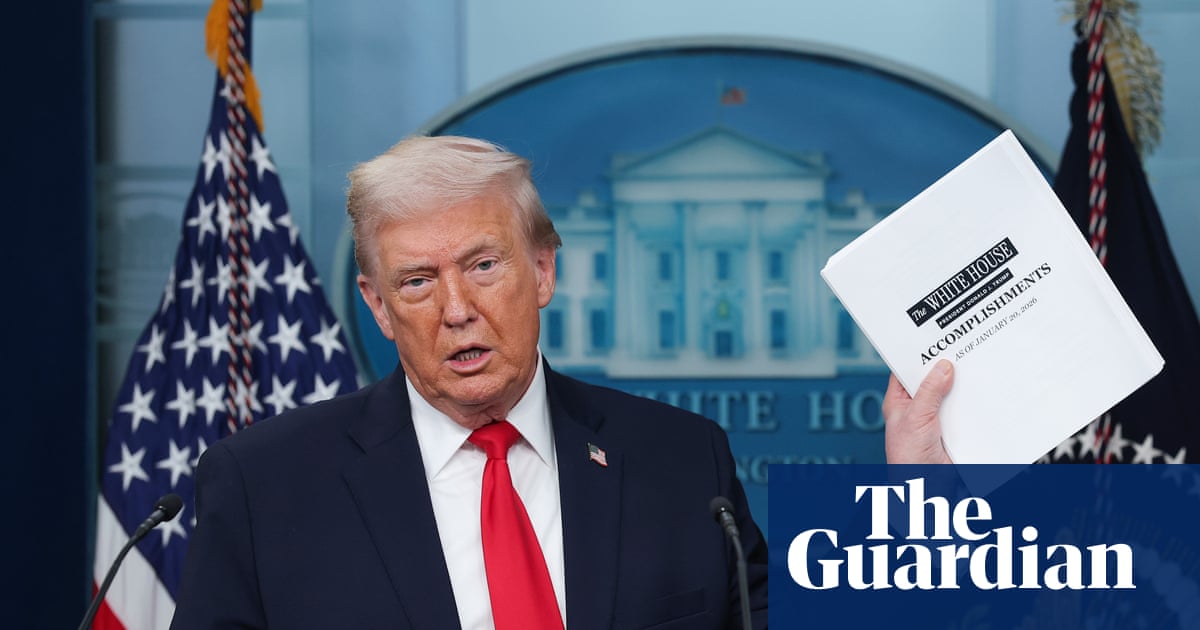
Could European countries really decide to boycott the World Cup this summer? It is an astonishing question to be asking in 2026 and an indictment of the bind in which, as Donald Trump sows confusion around a potential annexation of Greenland, the world’s most popular sport finds itself. But the idea is at least seeping into the mainstream and senior figures are asking what, in a worst case scenario, it would take for football to meet the moment.
Unprecedented times call for previously unthinkable conversations. As the Guardian reported this week, an anniversary party for the Hungarian FA on Monday became the forum for unofficial discussions among national association heads about how a unified approach to the US-shaped problem might take shape.
While flexibility is essential in a volatile, fast-moving situation, there is an acceptance that nobody can afford to be asleep if the time for action comes.
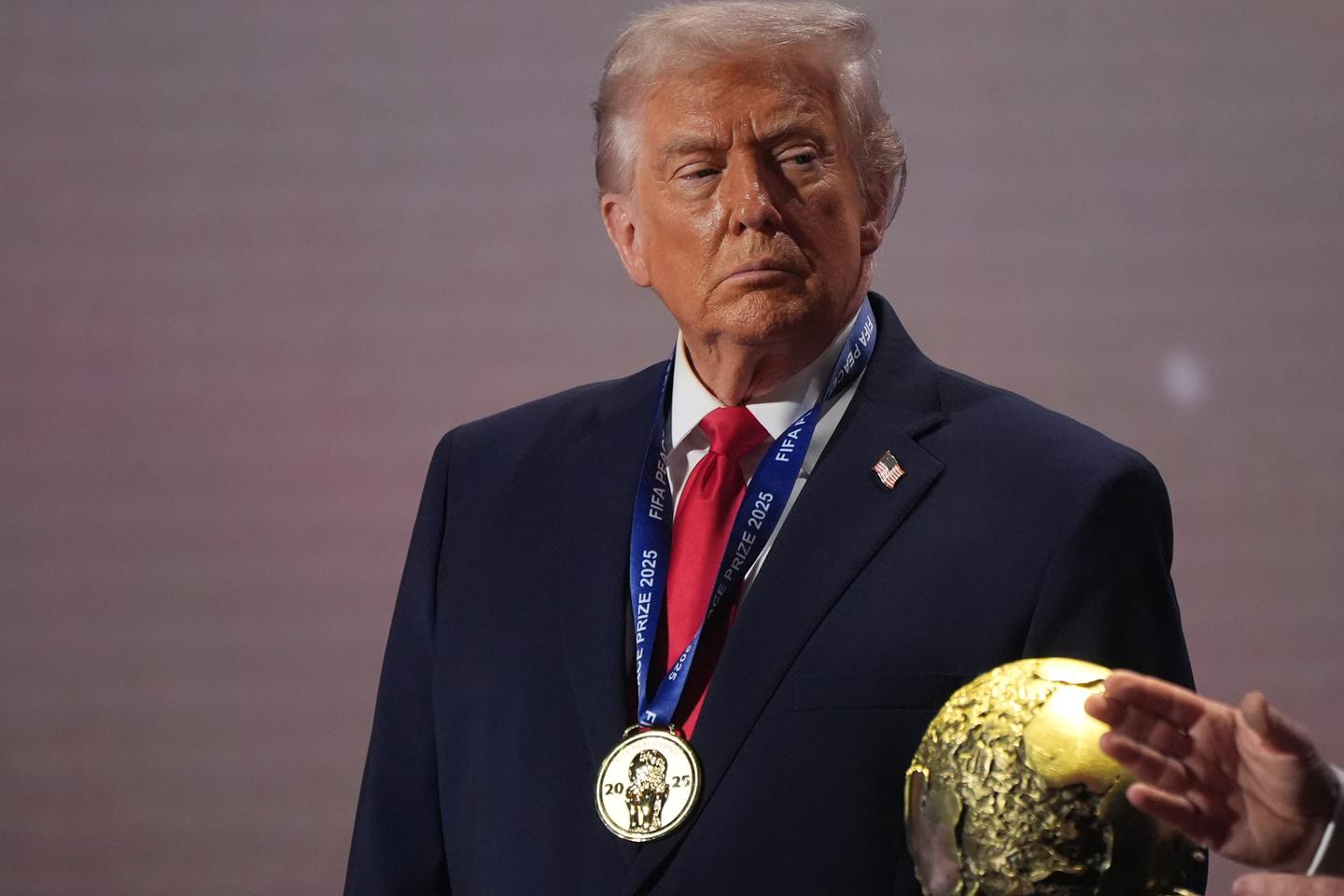
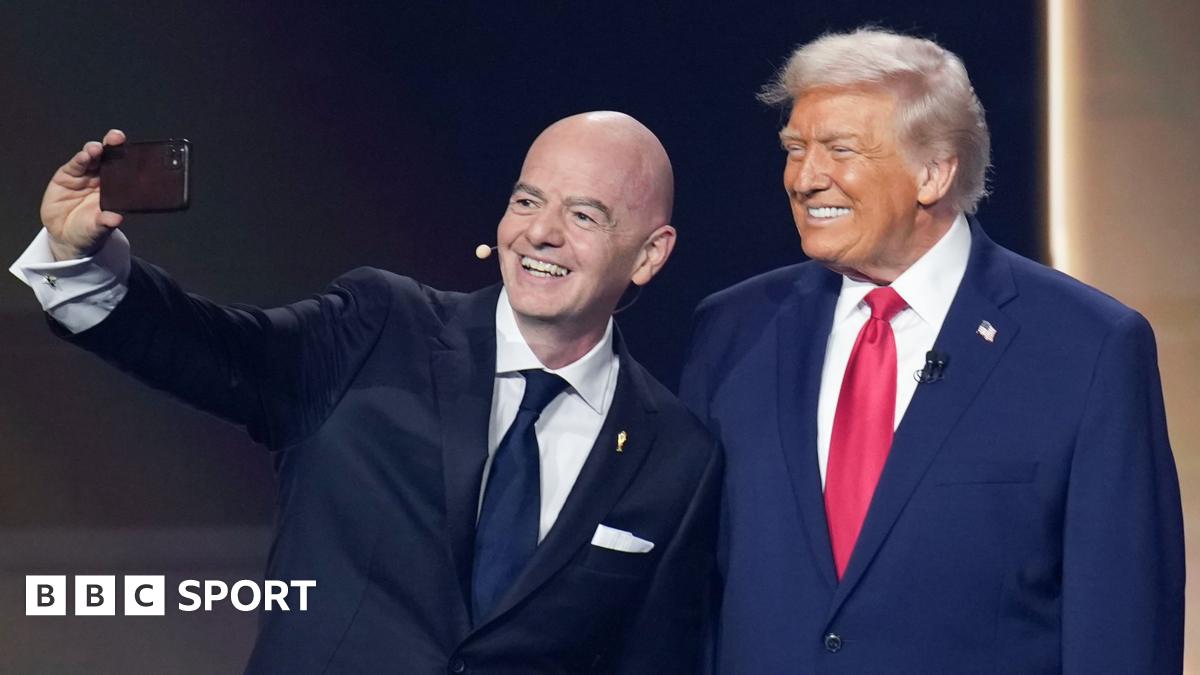
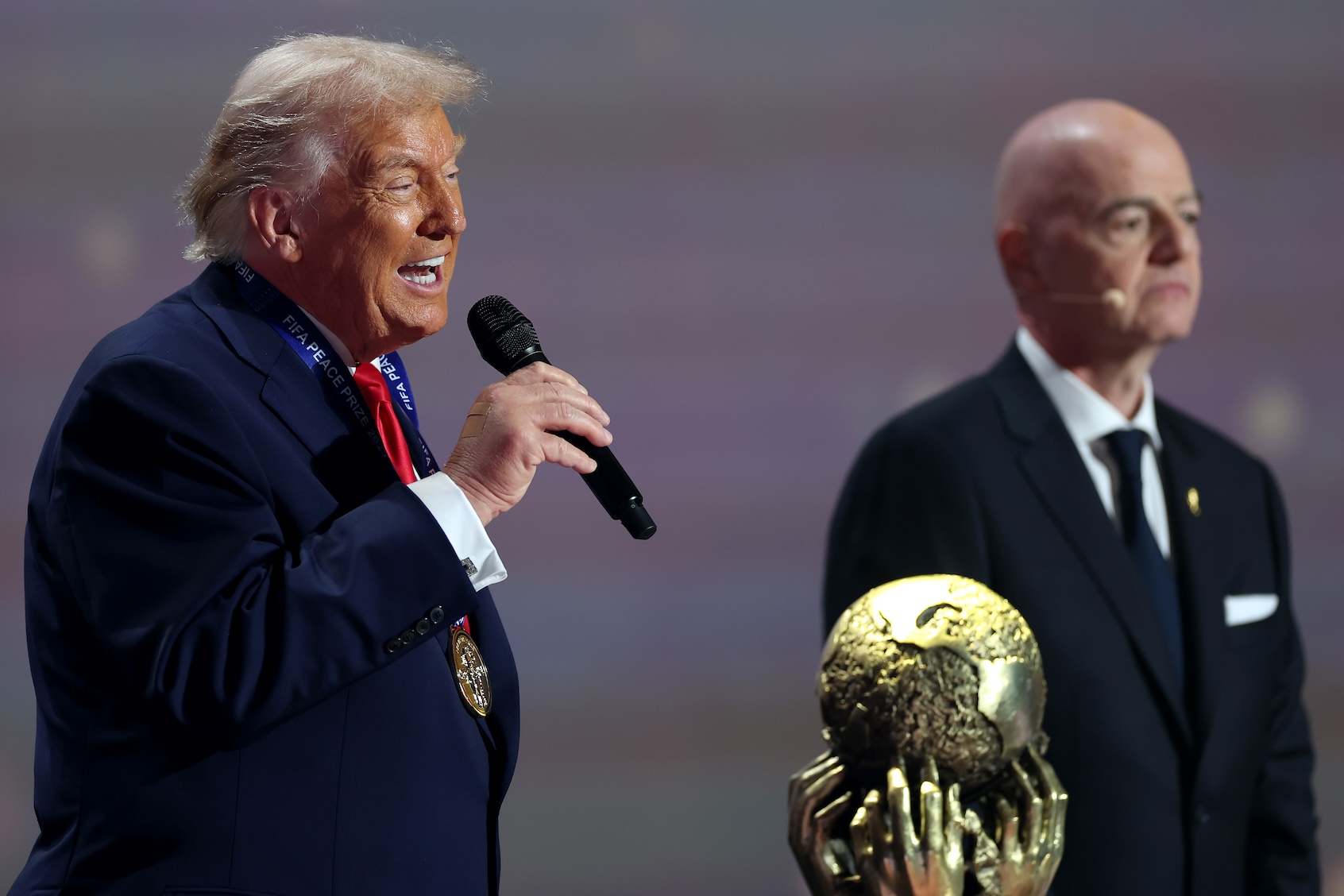
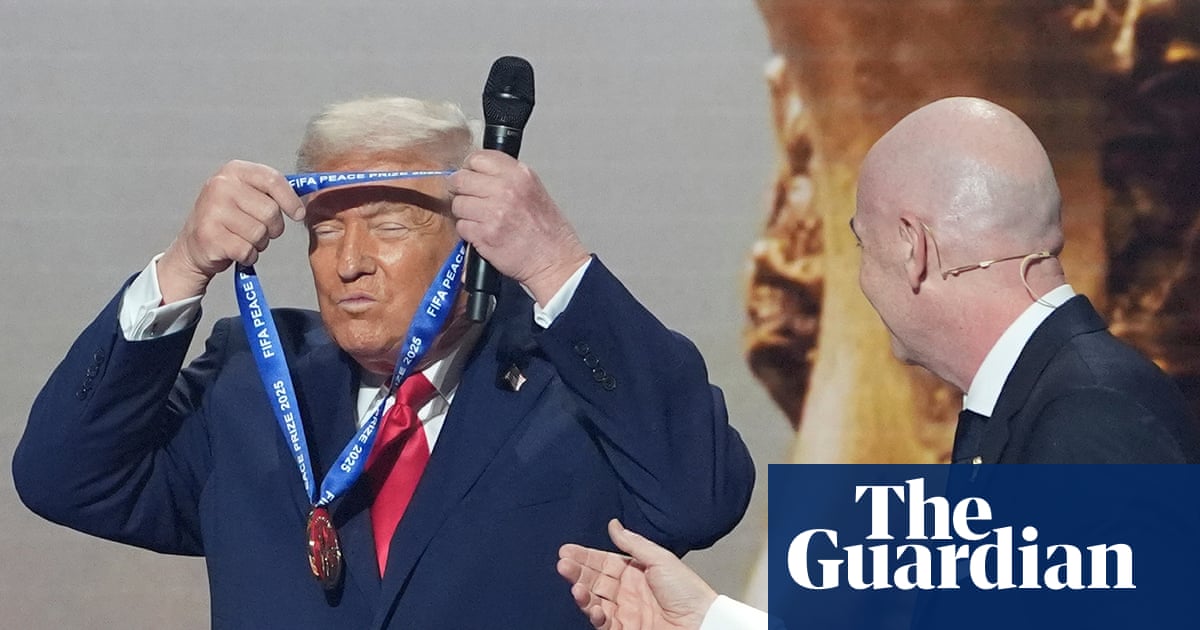
That is why there is a growing belief that Europe’s governing bodies, whether led by individual federations or by Uefa itself, must cohere behind a common position – or at least prepare one. Sources have described a tightening of unity since Trump, whose suggestion on Wednesday he will not take Greenland by force – and later that there was the outlines of a deal – must surely be treated with caution. While some federations are understood to have been relatively unbothered by the spectacle of Trump receiving a “peace prize” from the Fifa president, Gianni Infantino, in December, choosing in certain cases to find a funny side, the gravity of current events is lost on nobody.