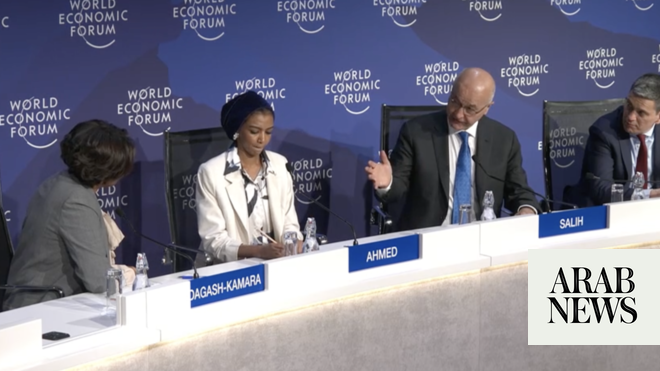
LONDON: Grassroots Sudanese aid groups are filling critical humanitarian gaps left by limited international access, but their volunteers are facing hunger, arrest and deadly risks as the conflict enters its fourth year, speakers warned at the World Economic Forum in Davos on Wednesday.
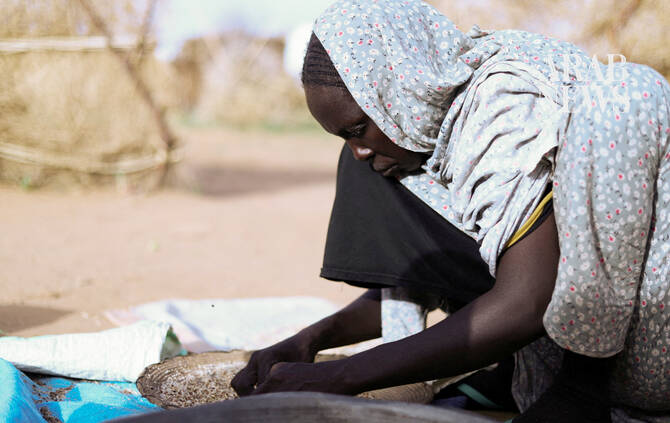
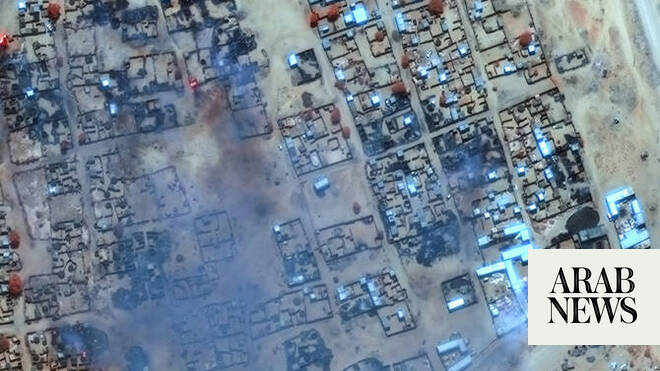
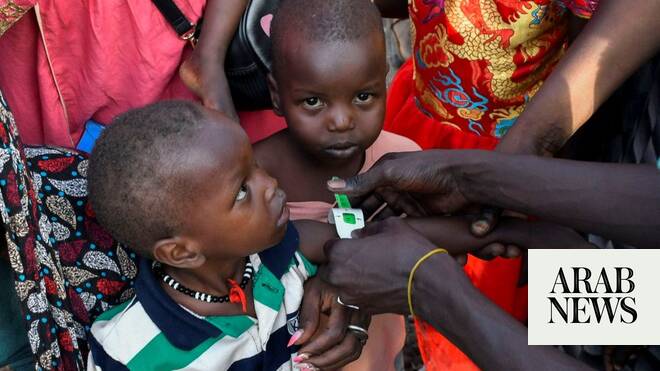
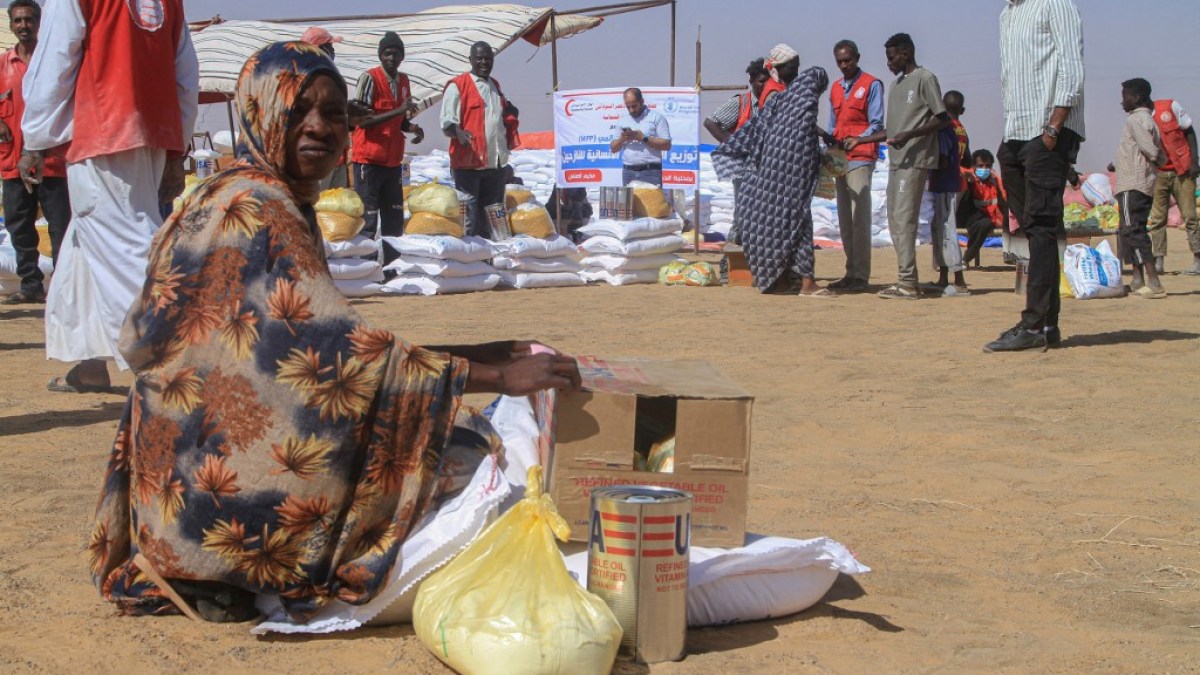
More than 20 million people in Sudan are facing acute hunger, while more than 11 million have been displaced, making it the largest displacement crisis in the world. As fighting continues and access for international agencies tightens, community-led networks have become a primary lifeline for civilians across the country.
“We need to strengthen local capacity and support community-led solutions like Emergency Response Rooms and mutual aid groups, with a more localized and decolonized humanitarian response,” said Hanin Ahmed, a Sudanese activist and Emergency Response Room leader.
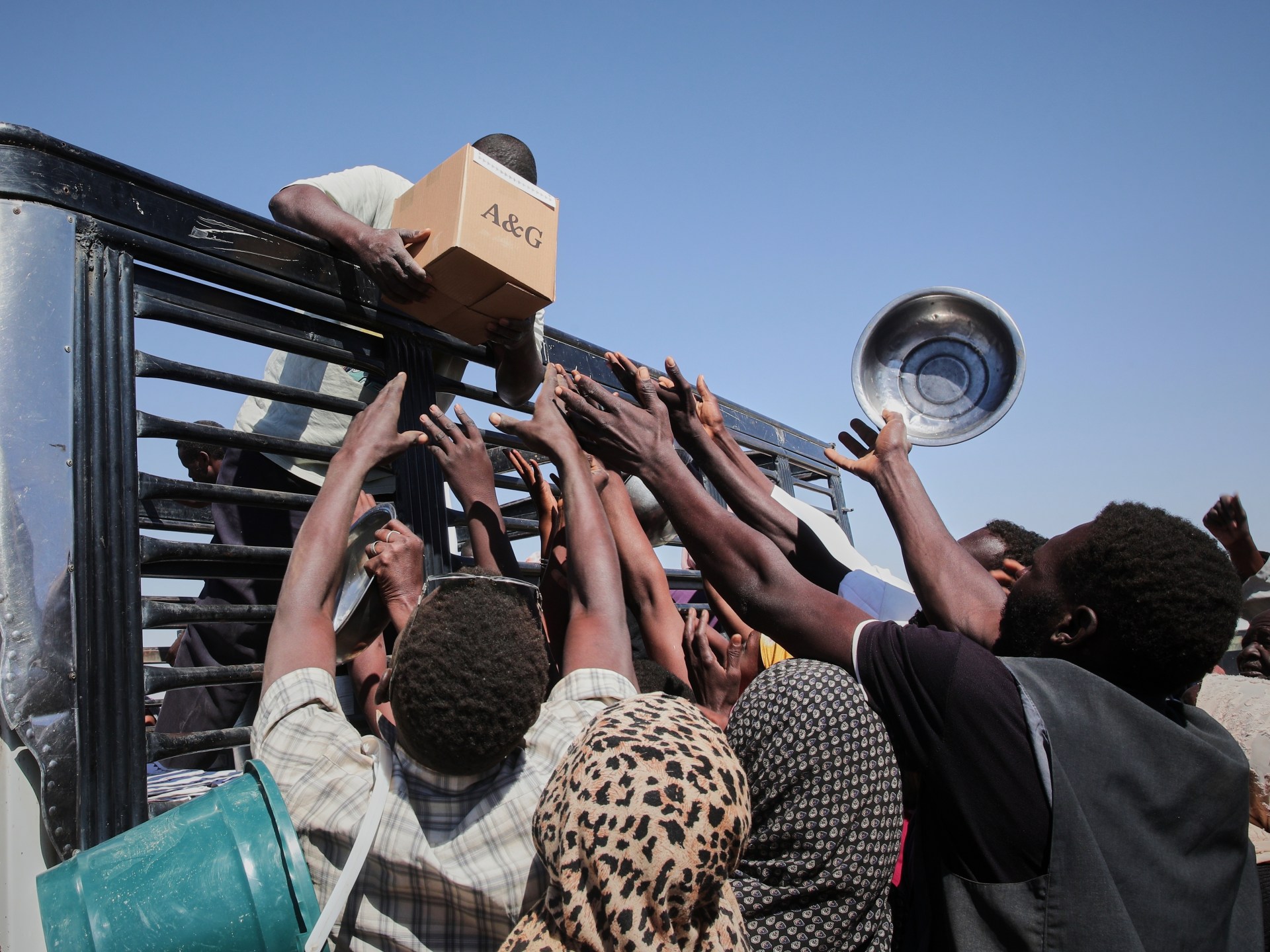
Ahmed described how volunteers were delivering food, medical support and protection services in areas that international organizations struggled to reach. However, she warned that these efforts came at immense personal cost.
Volunteers are often displaced themselves, facing food insecurity, arrest, kidnapping, and in some cases, killing by the warring parties. Famine, she said, was no longer confined to traditionally affected regions.