https://arab.news/zwymn
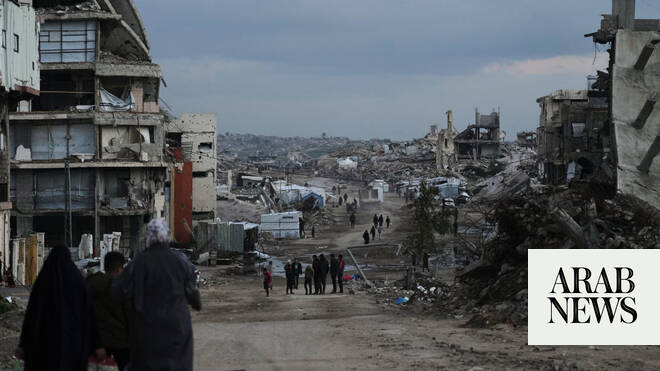
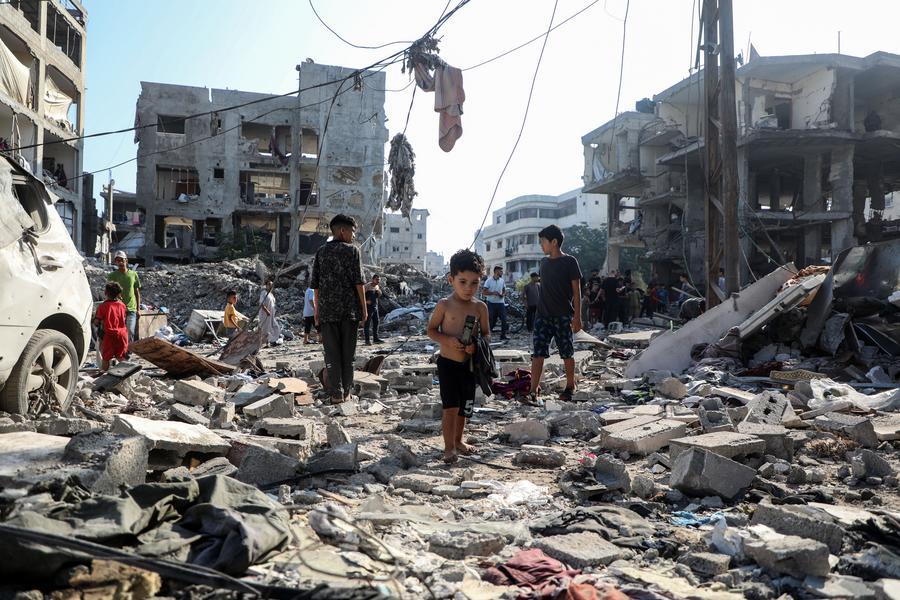
The second phase of the Gaza agreement represents far more than a diplomatic step forward. It is a defining test of whether the international community is finally willing to move beyond crisis containment toward justice, accountability and sustainable peace. For this phase to succeed, it must rest on three pillars: protecting Palestinian rights, curbing Israeli violations that have historically sabotaged ceasefires, and ensuring that Palestinians themselves govern their land and decide their future. Without these foundations, reconstruction will become yet another prelude to renewed destruction.
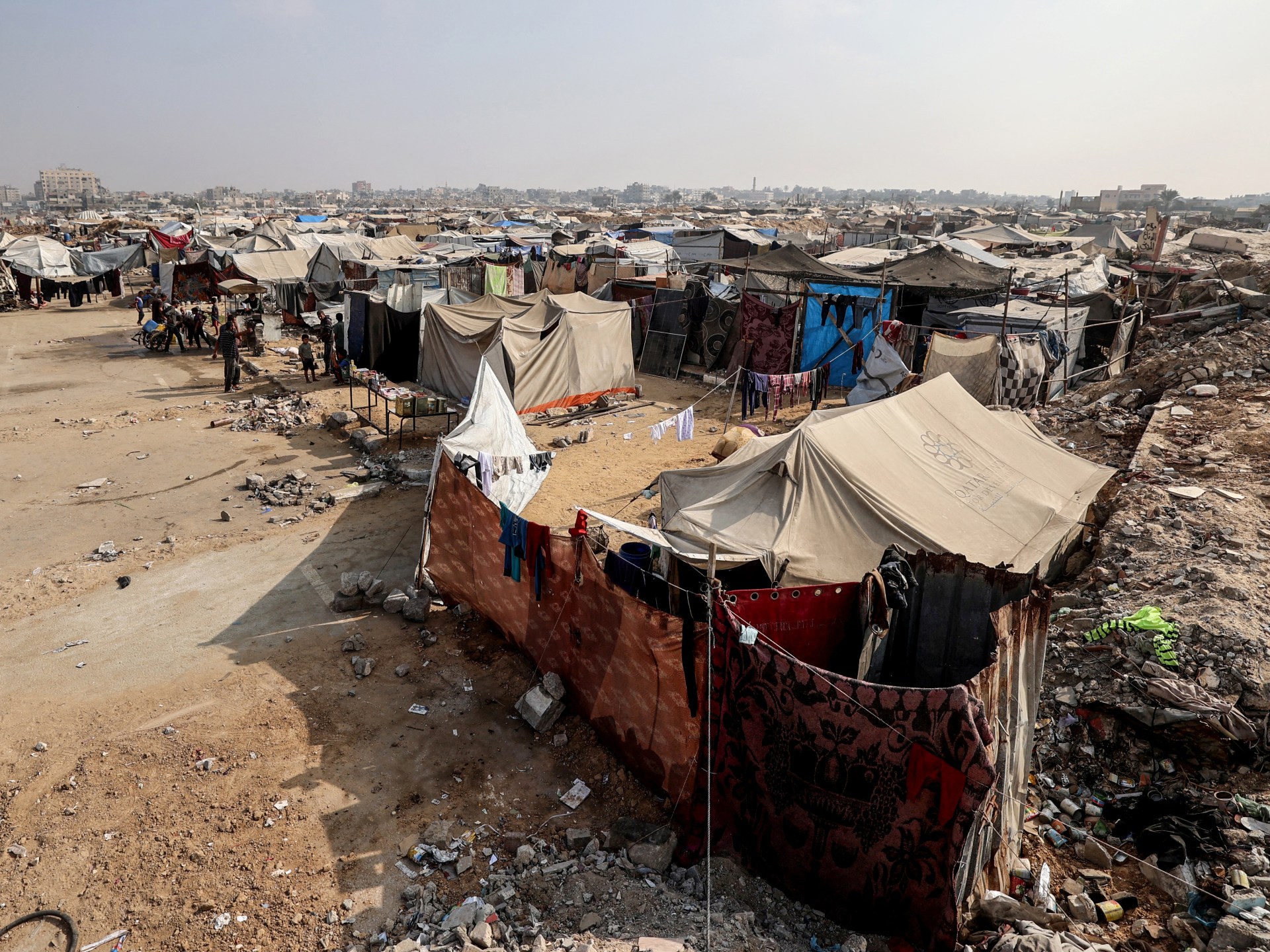
For years, Gaza has been treated primarily as a humanitarian problem rather than a political one — a territory to be fed, managed and periodically rebuilt after devastation, but never truly freed. This approach has failed catastrophically. No amount of aid can substitute for freedom and no reconstruction effort can endure under siege. The current moment offers a rare opportunity to break this cycle. But only if Palestinian rights are placed at the center of the process — as enforceable realities rather than rhetorical commitments.
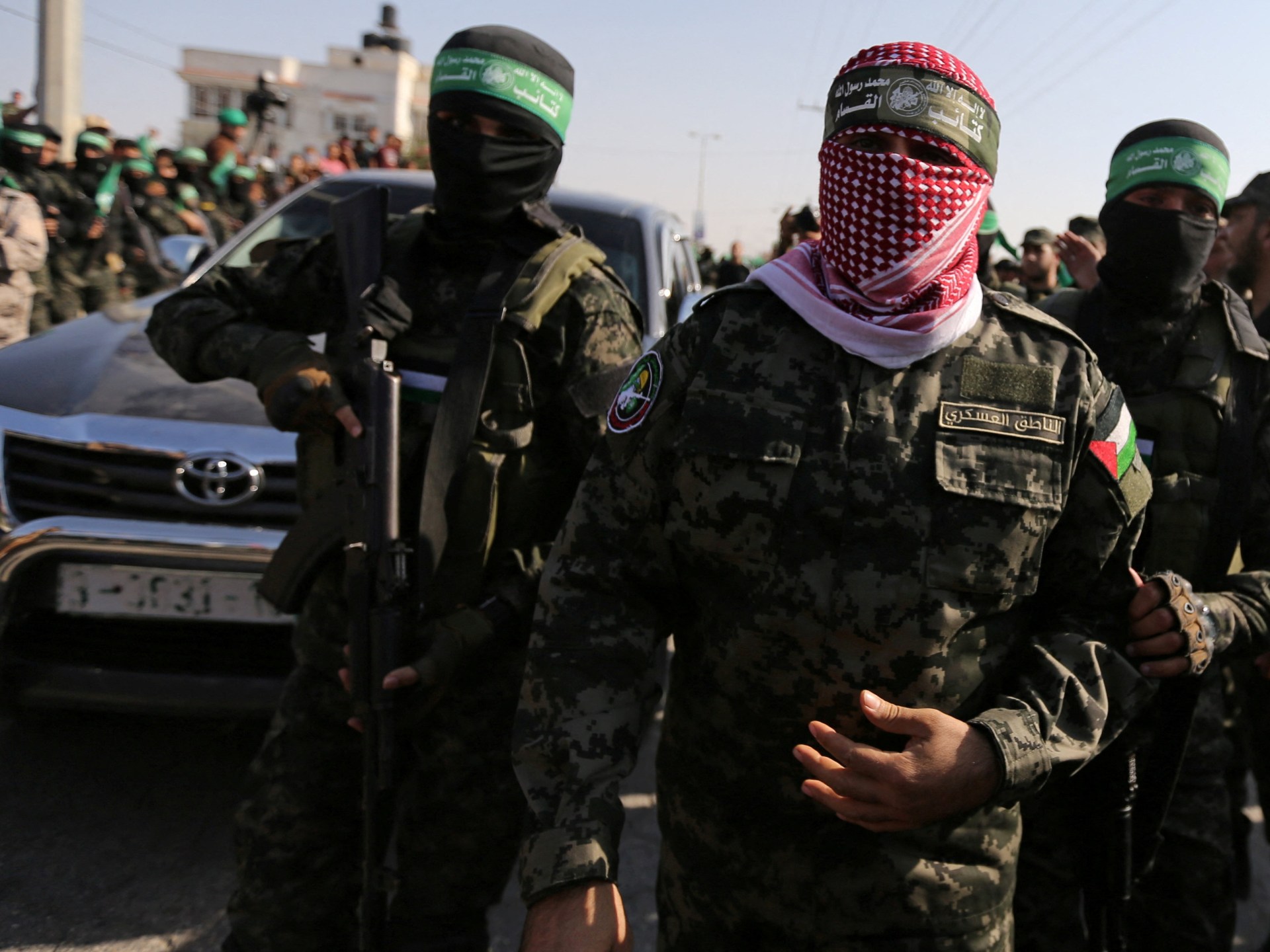
The most urgent requirement is to protect Palestinians from continued Israeli military incursions and violations that hollow out ceasefires before they take hold. Past truces in Gaza did not collapse because Palestinians rejected calm but because airstrikes, raids, closures and movement restrictions continued under different pretexts. A ceasefire without enforcement is not peace — it is merely an interval between wars. If international actors are serious about stability, they must move beyond statements of concern toward mechanisms that deter violations, impose accountability and protect civilians as a matter of law rather than discretion.