From firing lawyers and government officials to pursuing indictments – president has created a culture of vengeance
During his first year in the White House, Donald Trump has pursued a campaign of retribution unlike any other president in US history.
That Trump would pursue such a campaign is not surprising. Since he launched his first run for president in 2015, Trump has channeled the politics of grievance into political success. Returning to the White House after surviving two impeachments and four different criminal cases against him, Trump has used the might of the federal government to punish those he believes have wronged him.
“In 2016, I declared: I am your voice. Today, I add: I am your warrior. I am your justice. And for those who have been wronged and betrayed: I am your retribution,” he said in a 2023 speech at CPAC, the annual conservative political conference, leaving little doubt about what he would do in a second term in the White House.
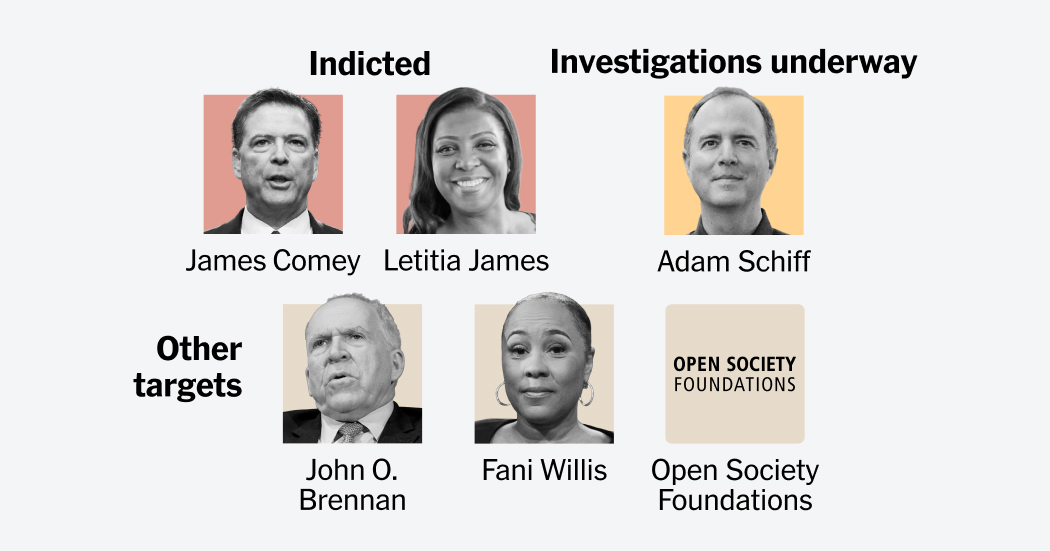
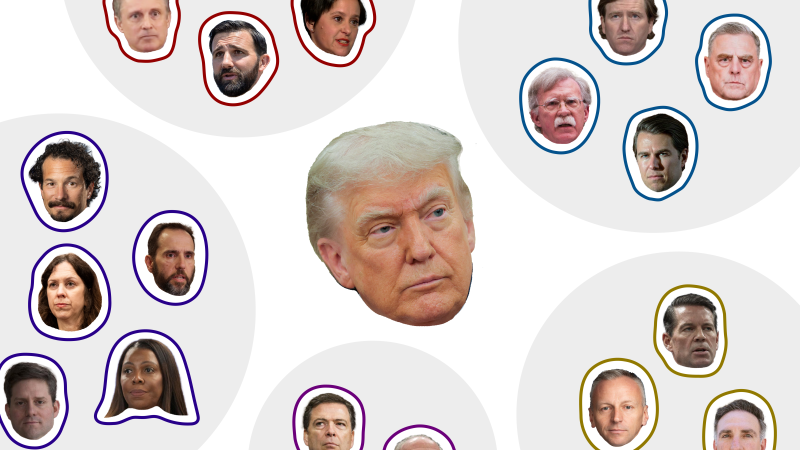
The breadth of Trump’s campaign is staggering. Late last year, a Reuters tally estimated Trump had pursued retribution against 470 people and organizations, ranging from foreign governments to federal employees. To name just a few examples: he has fired career prosecutors who worked on January 6 cases and Jack Smith, the special prosecutor who filed federal criminal charges against him. His administration has indicted Letitia James, the New York attorney general and the former FBI director James Comey, and dismissed career lawyers who objected to doing so. A Trump ally has weaponized a little-known housing agency, deploying its resources to pursue mortgage fraud investigations against Adam Schiff, a senator, Eric Swalwell, a US representative, and Lisa Cook, a Federal Reserve governor. Prosecutors have opened a criminal inquiry into Jerome Powell, the Federal Reserve chair, who has said the administration is taking the unprecedented step of threatening criminal charges against him.