The ghosts of Lincoln in the Bardo return to confront a dying oil man’s destructive legacy – but this time they feel like a gimmick
G
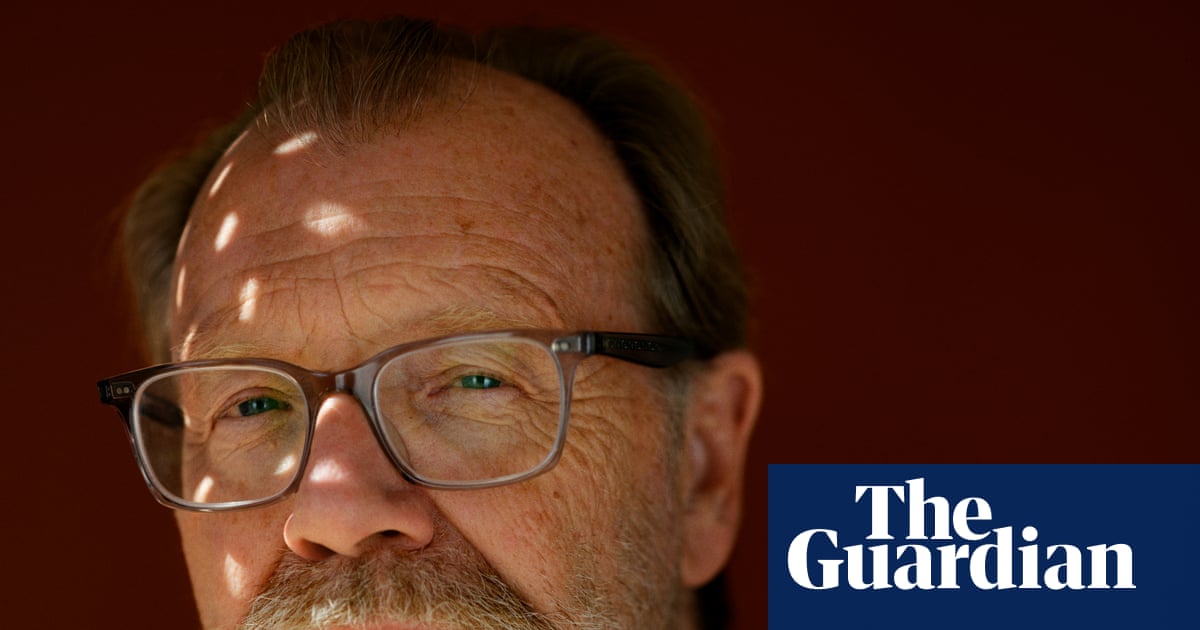
eorge Saunders is back in the Bardo – perhaps stuck there. Vigil, his first novel since 2017’s Booker prize‑winning Lincoln in the Bardo, returns to that indeterminate space between life and death, comedy and grief, moral inquiry and narrative hijinks. Once again, the living are largely absent, and the dead are meddlesome and chatty. They have bones to pick.
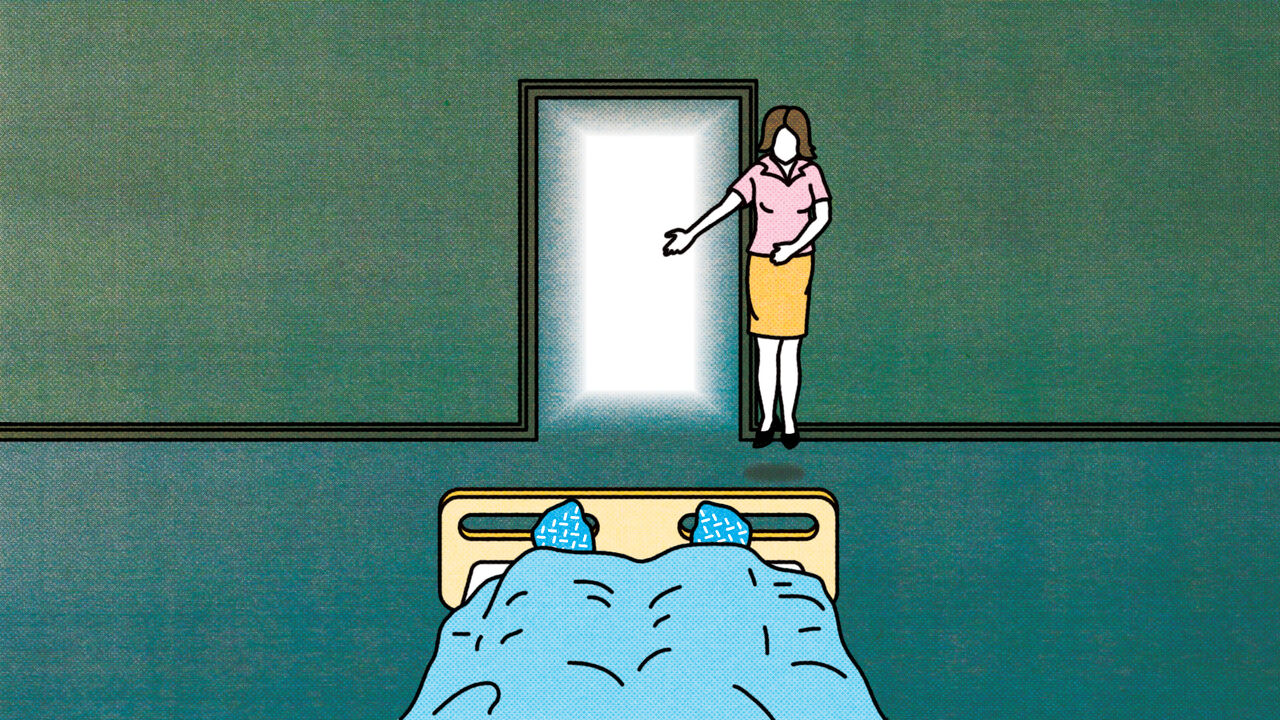
They converge at the deathbed of an oil man, KJ Boone. He’s a postwar bootstrapper: long-lived, filthy rich and mightily pleased with himself. “A steady flow of satisfaction, even triumph, coursed through him, regarding all he had managed to see, cause and create.” Boone is calm in his final hours, enviably so. He seems destined to die exactly as he lived, untroubled by self-reflection. But as his body falters, his mind becomes permeable to ghosts, and they have work to do. The tycoon has profited handsomely from climate denial, and there is still time for him to acknowledge his fossil-fuelled sins before the lights go out.
Our narrator, Jill Blaine, is a spectral death doula. She has helped hundreds of souls ease their way out of their bodies, and she’s good at it, in part because no one did the job for her (her own ending was … explosive). But Boone is a thorny, unrepentant fellow; certain of his own brilliance, and his exemption from the petty scruples of “mere earthlings”. What is the doula’s role here: to comfort the dying man, or correct the moral record? When does mercy become complicity?