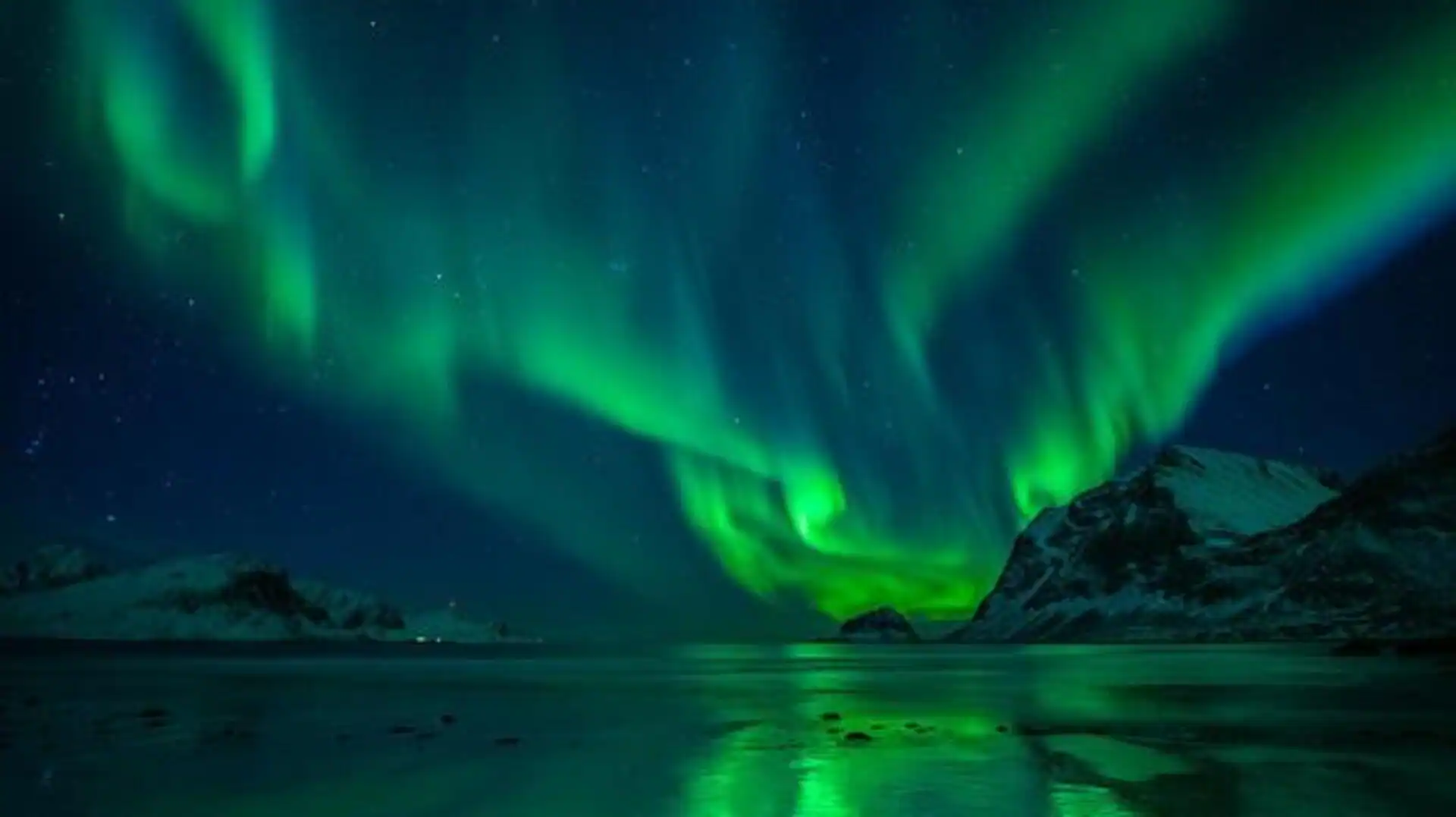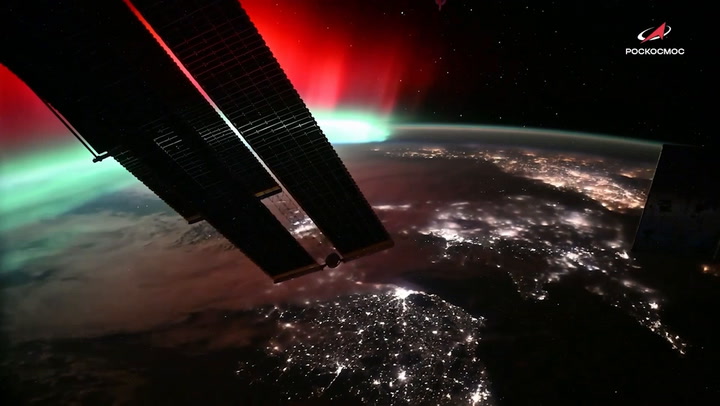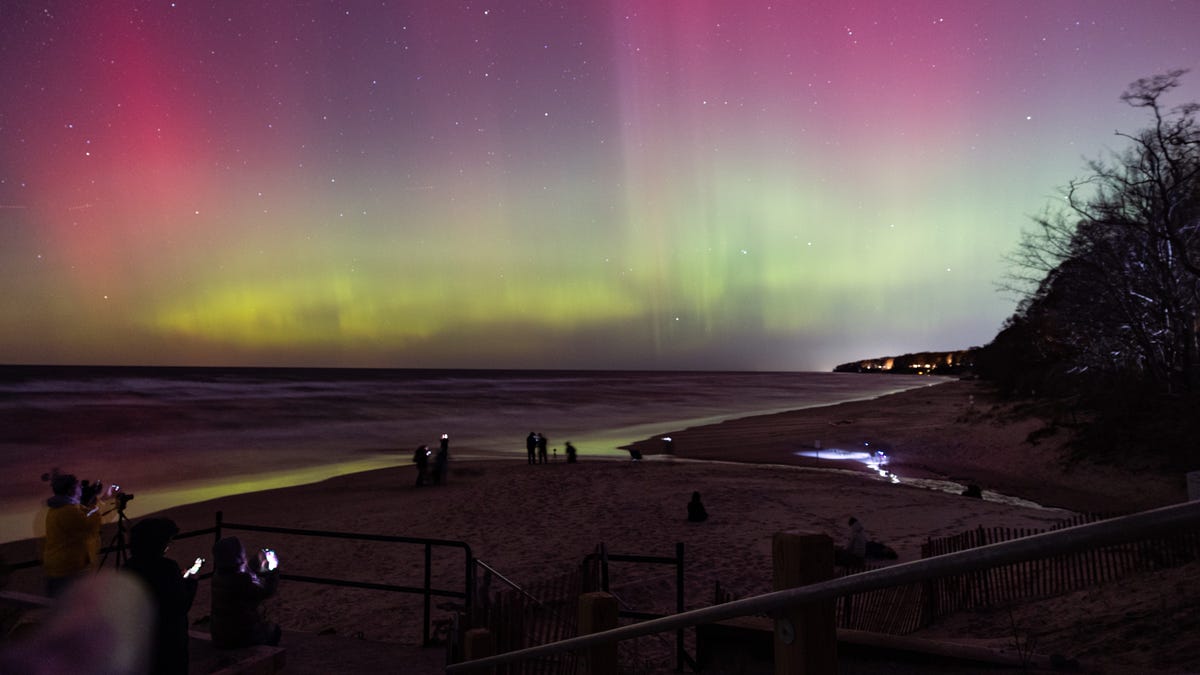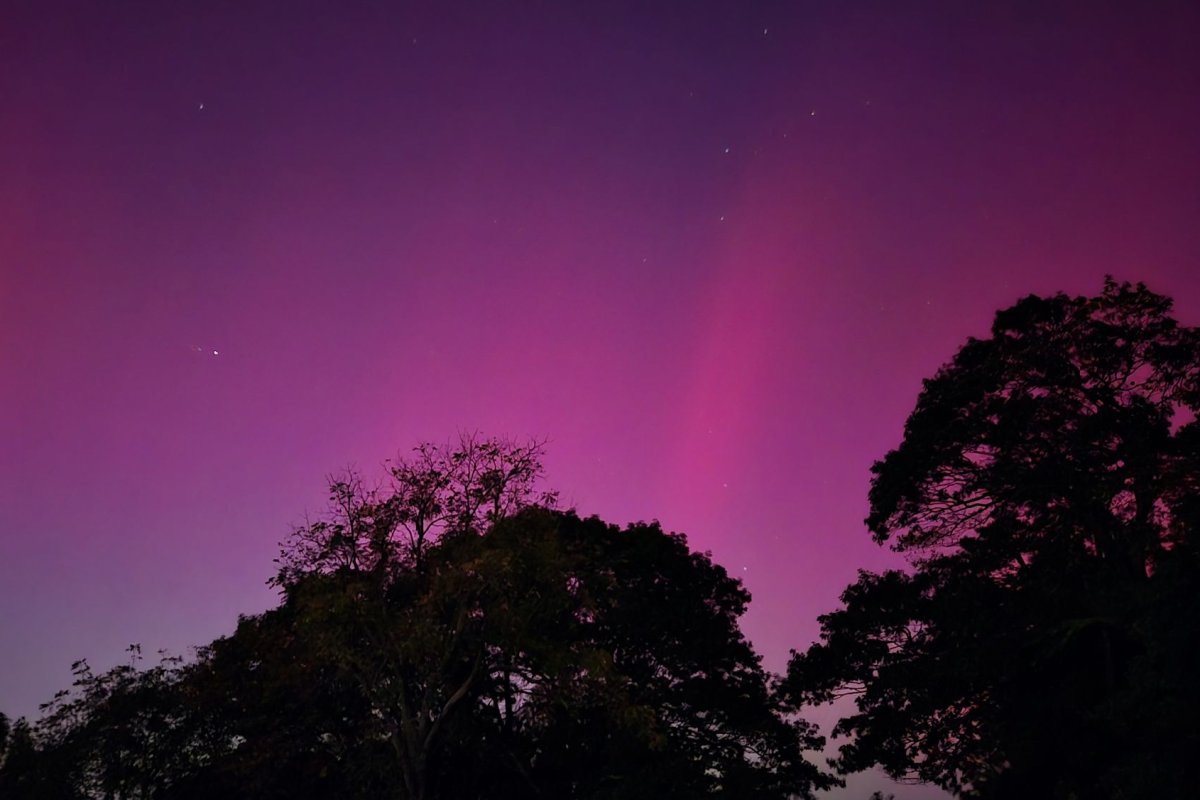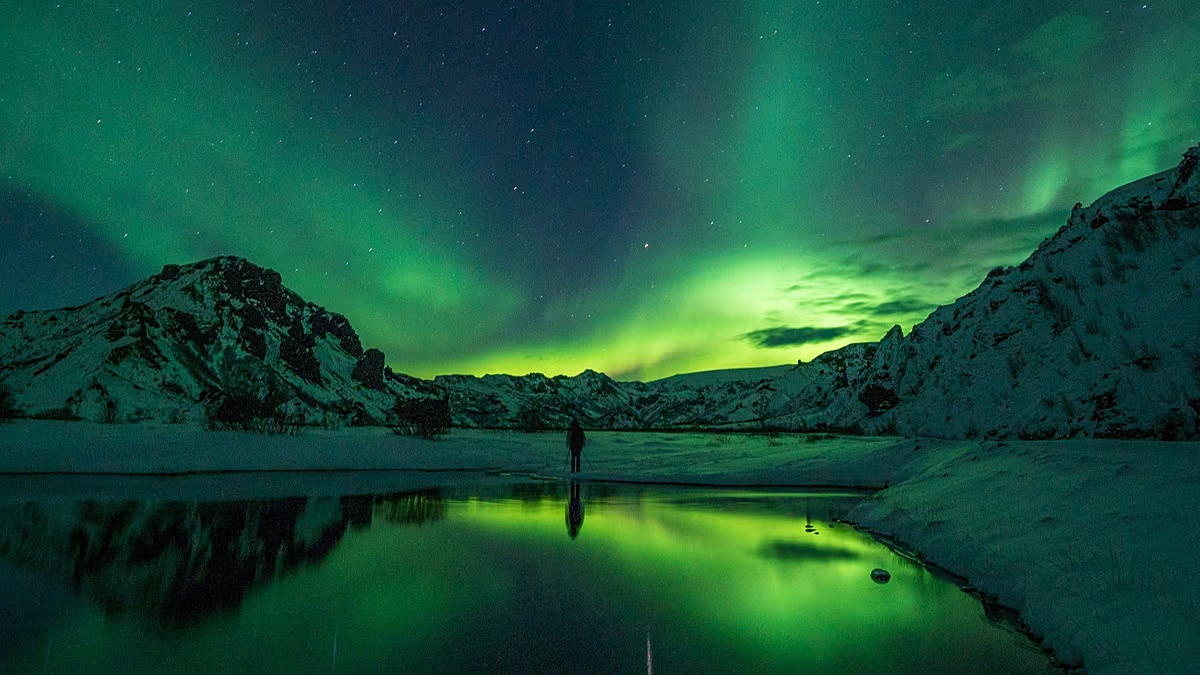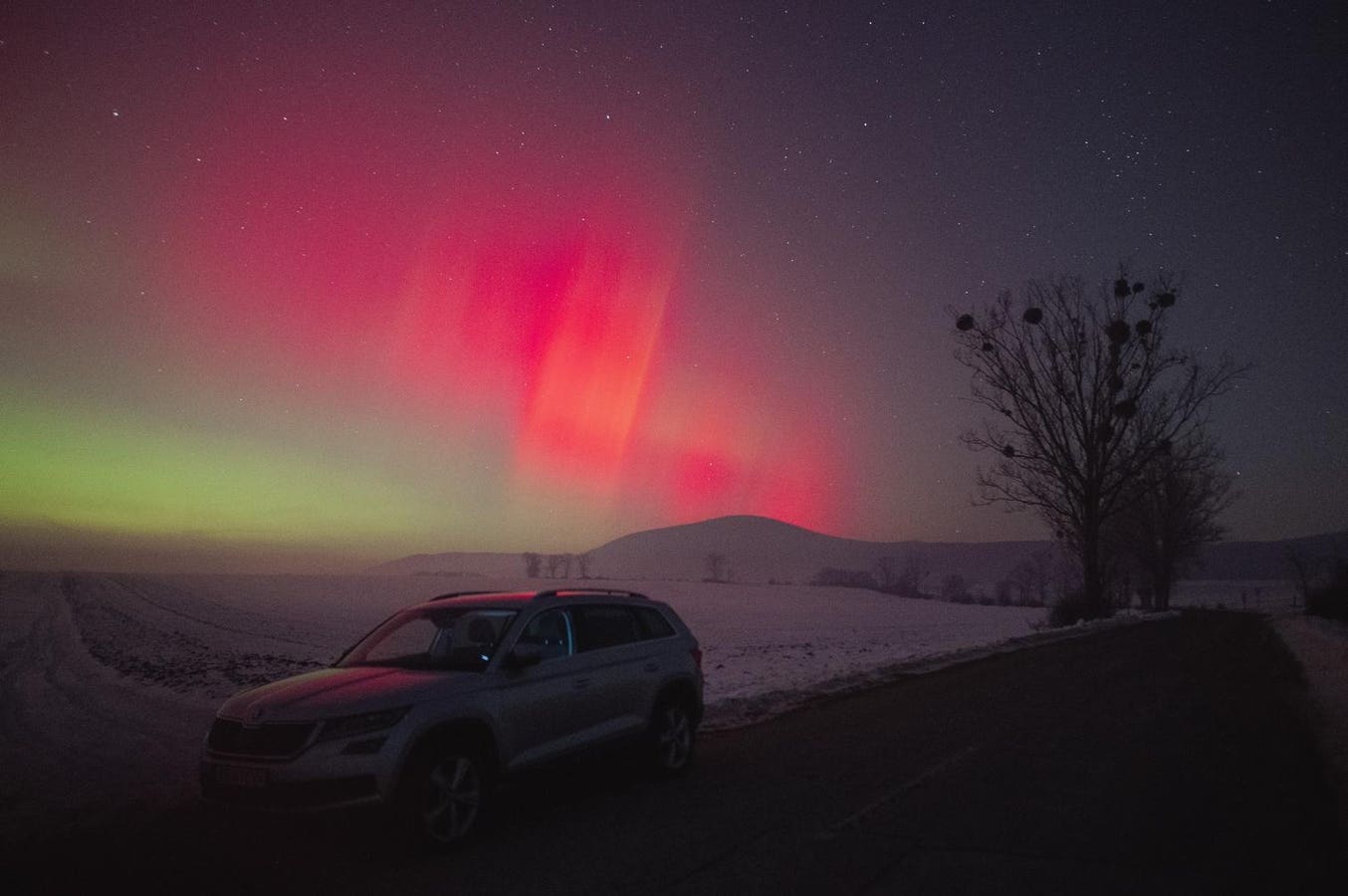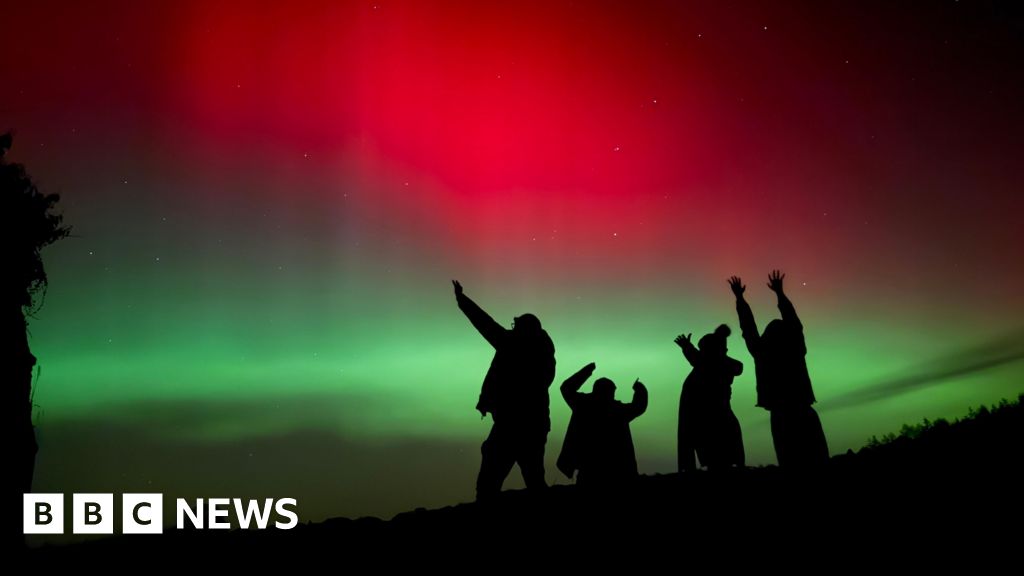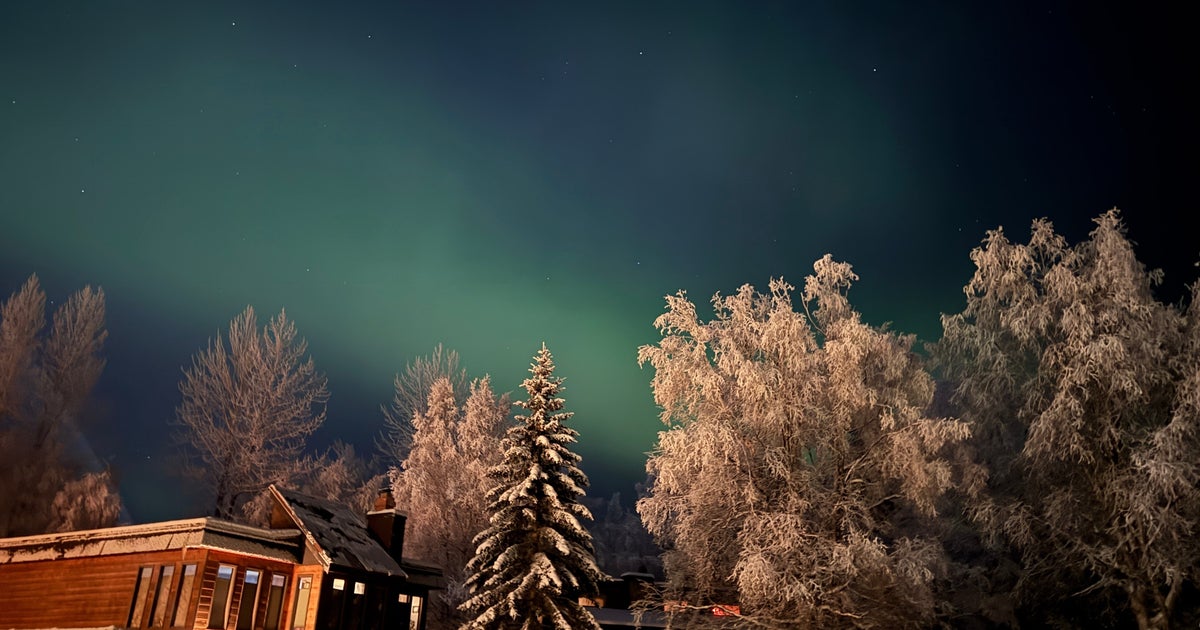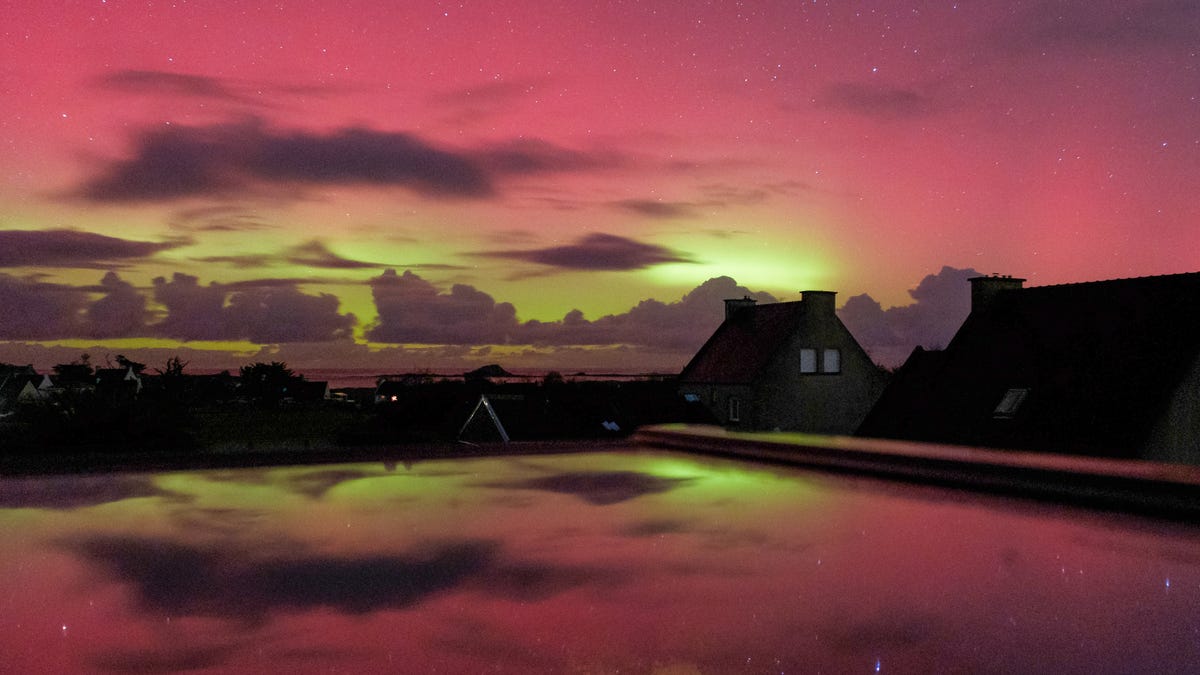
A once-in-a-lifetime phenomenon painted night skies all over the world with broad, colorful strokes on Monday, Jan. 19.
Also known as the "Aurora Borealis," the Northern lights "are the result of interactions between the Sun and Earth's outer atmosphere," according to the National Weather Service. The result of these "interactions" is a panorama of lights projected onto the night sky.
A severe geomagnetic storm − a major disturbance of the region in space surrounding Earth − made for a stronger aurora than usual, according to an alert from the National Oceanic and Atmospheric Administration's Space Weather Prediction Center (SWPC).
Coronal mass ejection − a large expulsion of plasma and magnetic field from the sun − and the cause of the increase in geomagnetic activity reached Earth around 2 p.m. EST on Jan. 19, SWPC's service coordinator Shawn Dahl said in a post on X.
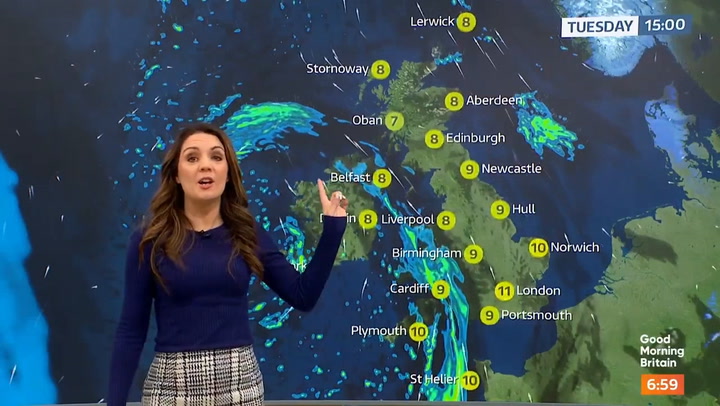
A mere 24 hours after the northern lights dazzled communities worldwide, another "show" is forecast to occur in multiple states across the country on Jan. 20.