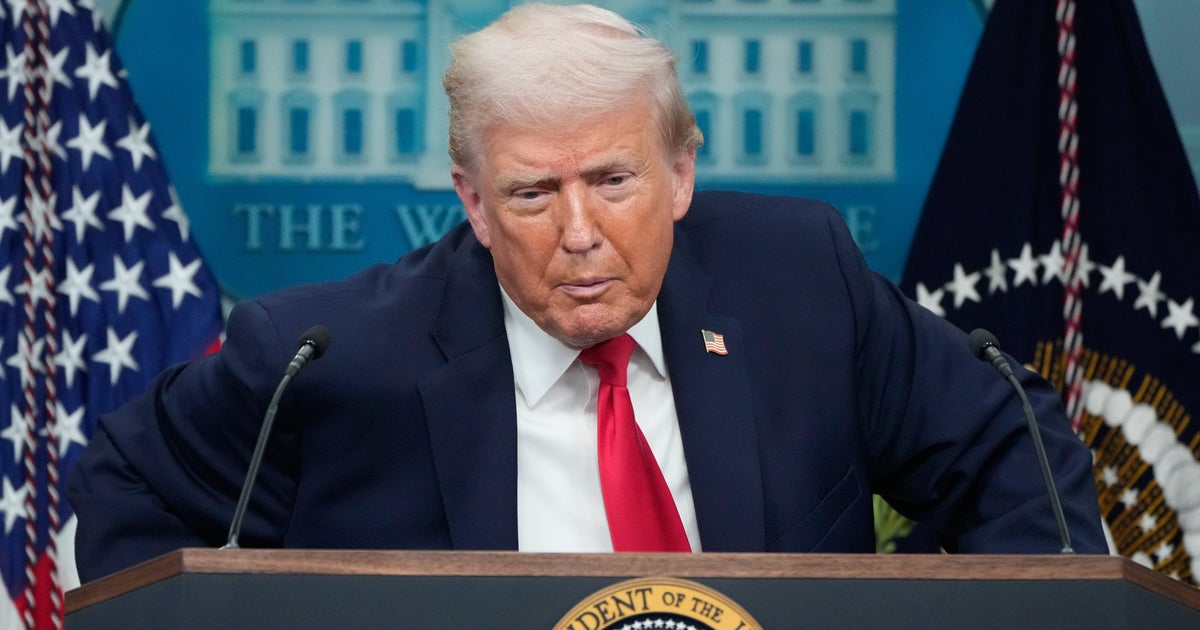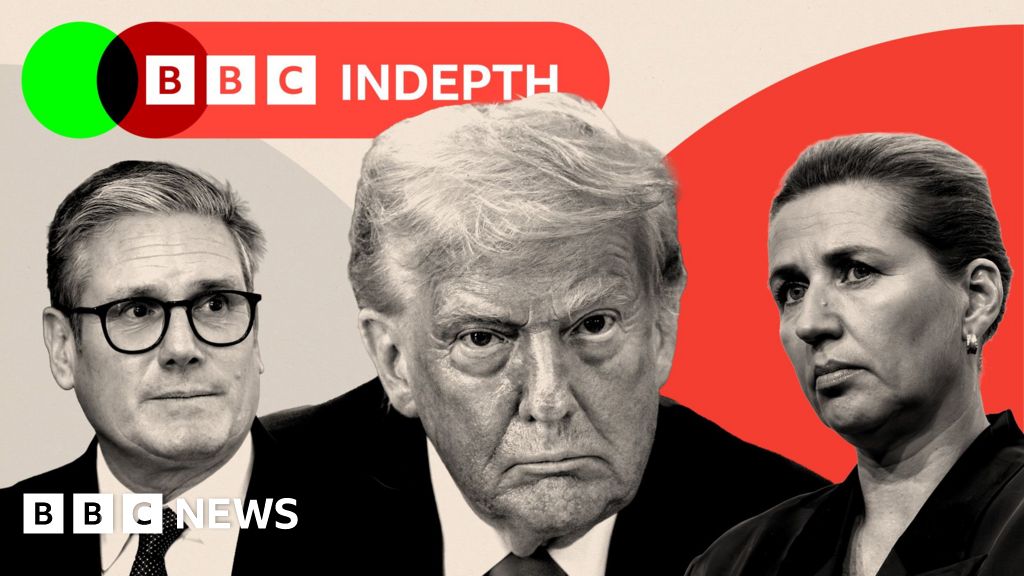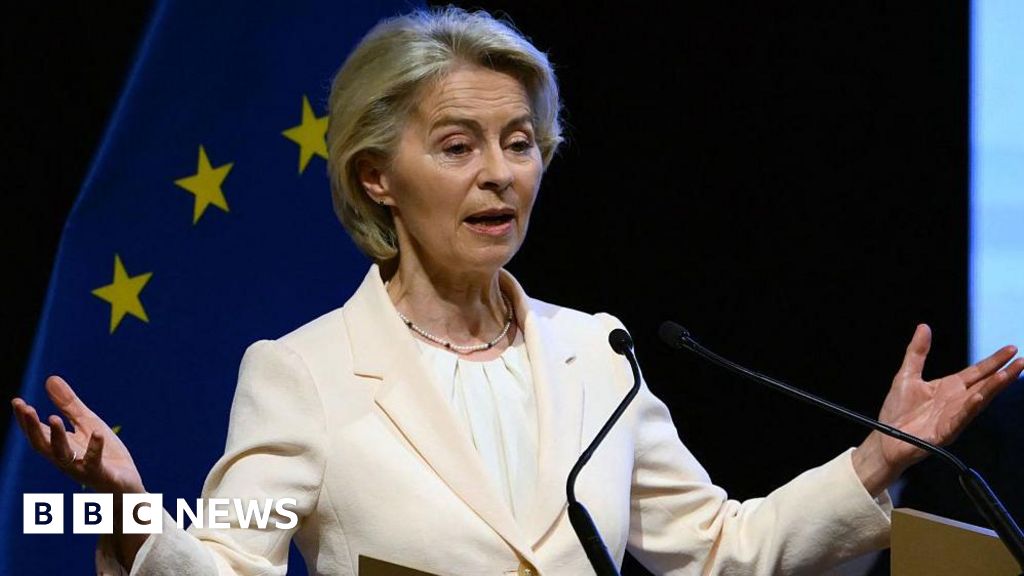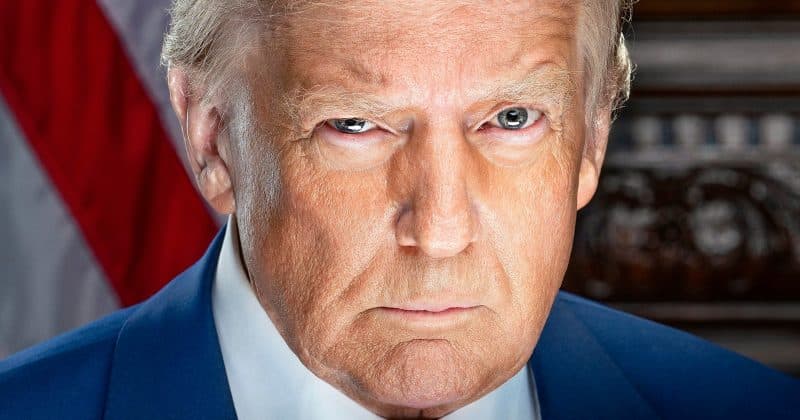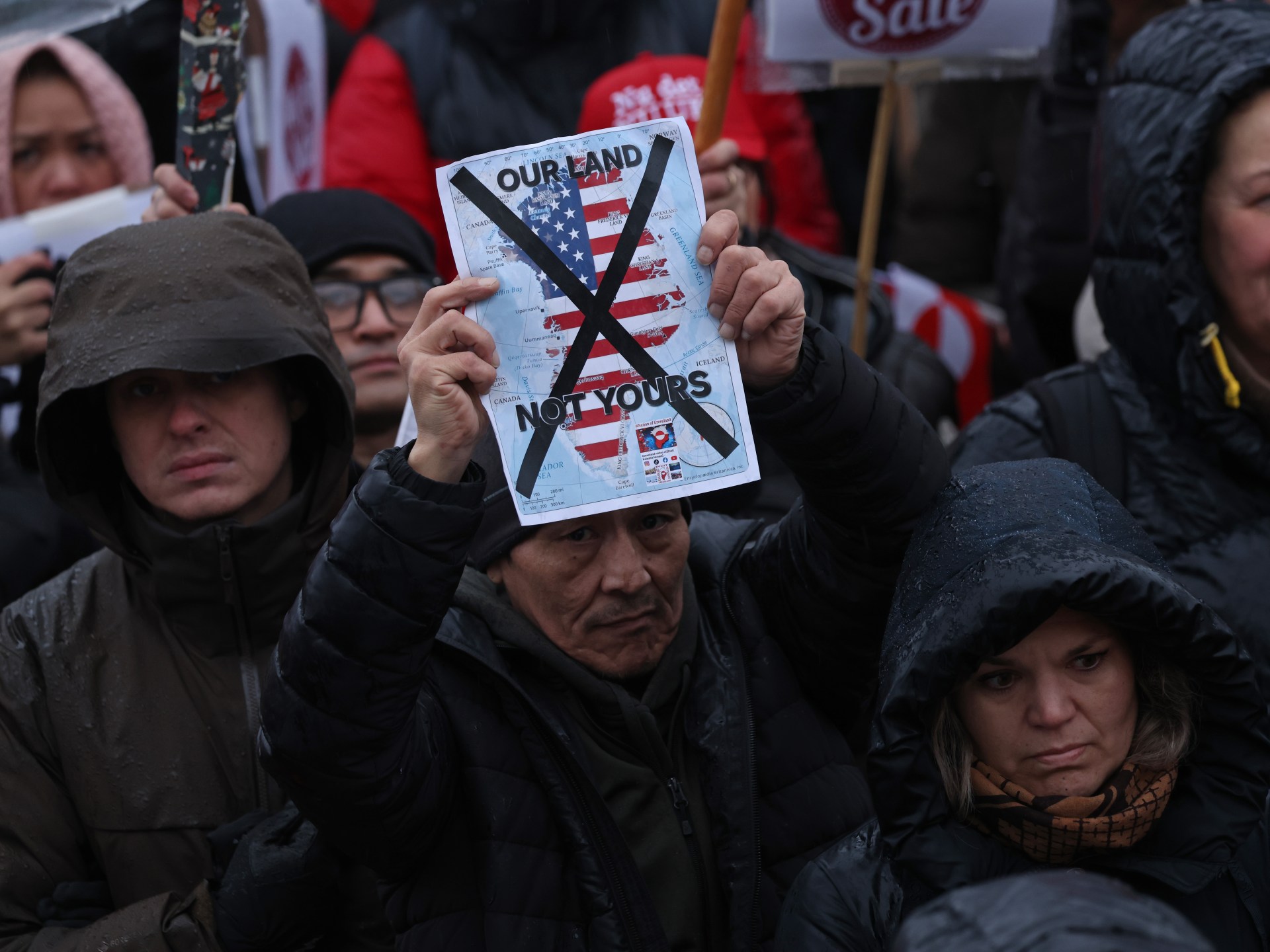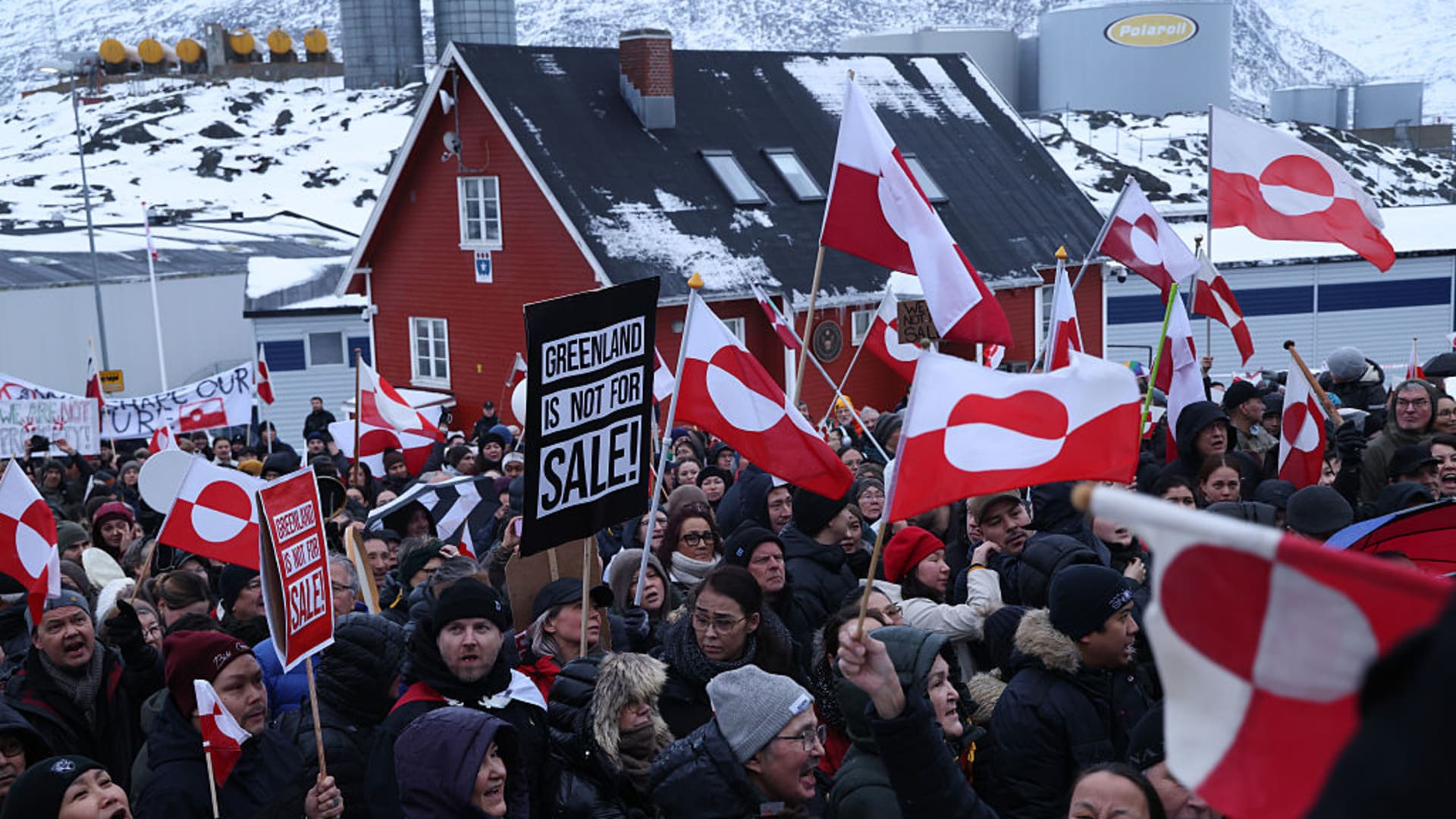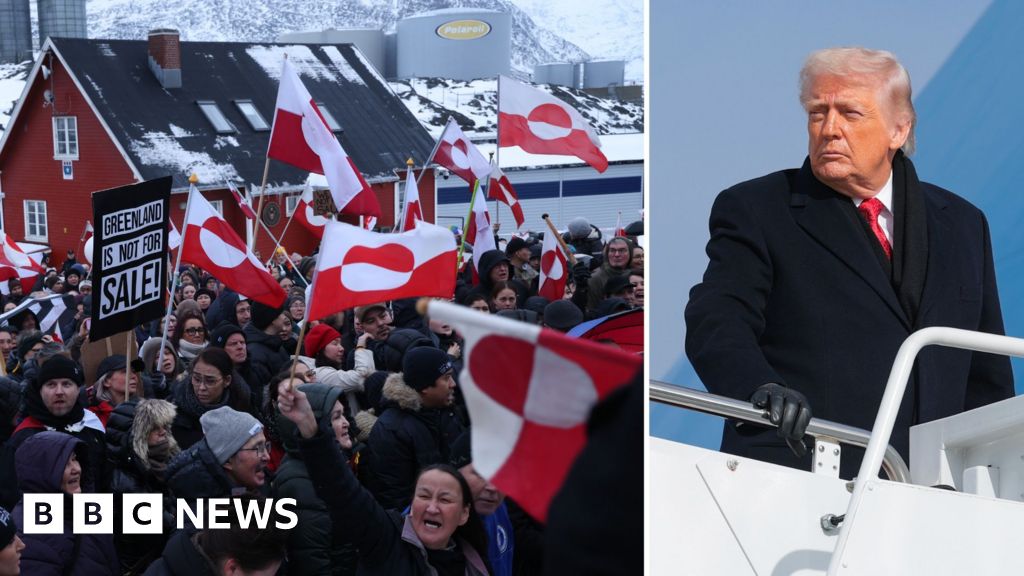
Trump’s demand for Greenland is a throwback to the 1884 Berlin conference: a transaction of land and people driven by a might makes right worldview
T
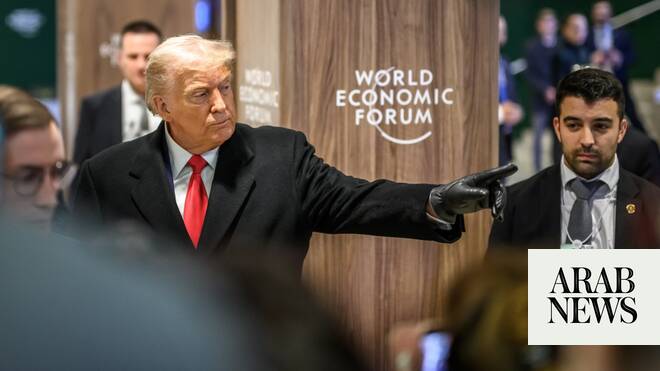
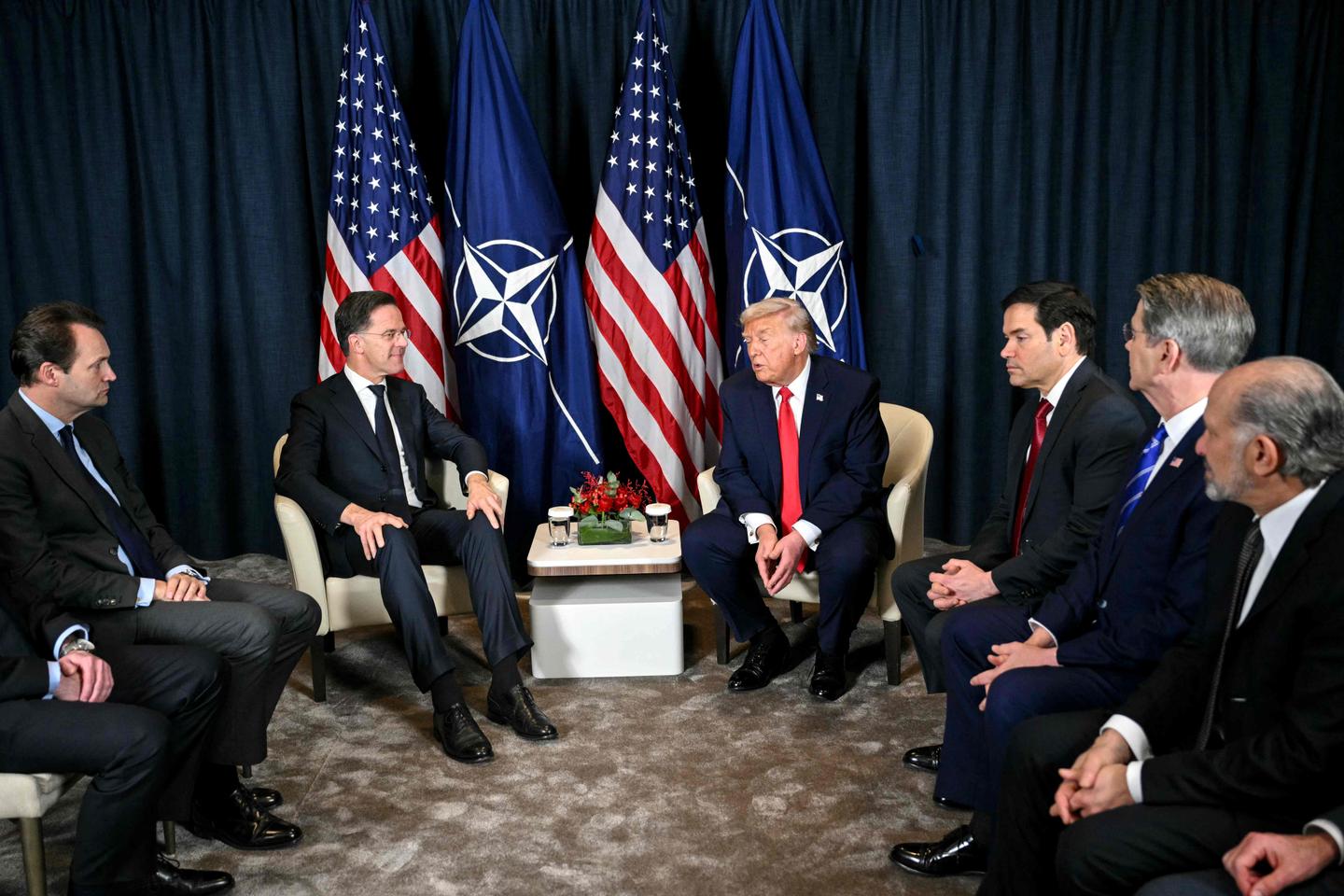
he announcement on 17 January that Washington will impose punitive tariffs of 10% to 25% on eight European allies – unless they facilitate the “complete and total purchase” of Greenland – is likely to be the death knell of the post-1945 trans-Atlantic order. By linking the territorial sovereignty of a Nato ally to trade access, the US has transitioned from Europe’s security guarantor to a 19th-century imperial rent-seeker.
This is a moment of profound rupture. For decades, the western world believed that raw imperialism had been relegated to the past among advanced industrial powers. Even China, for all its assertiveness, largely couches its ambitions in the language of revanchism – the “reclaiming” of lost territory. Washington’s current demand for Greenland, by contrast, is a throwback to the age of the 1884 Berlin conference: a transaction of land and people driven by a might makes right worldview.
To be sure, this act of raw aggression faces pushback within the US. Senator Thom Tillis has rightly criticized the coercive effort and public polling shows that while a segment of the Republican party favor a purchase, only 8% of Americans support the use of force to acquire the territory. But Europe must realize it is dealing with a president drunk on executive power, undeterred by congressional dissent or a skeptical public that he views as malleable and more concerned with the cost of living and culture wars than Arctic sovereignty.