The US president uses mass communication to destabilise his rivals – the risk is that frank exchange may dry up
The words “private and confidential” have never meant a great deal to Donald Trump. In his discussions with other world leaders, he has never operated much of a filter, happy to provide not just the facts of a conversation but also its content and tone, with descriptions all the way from beautiful to nasty.
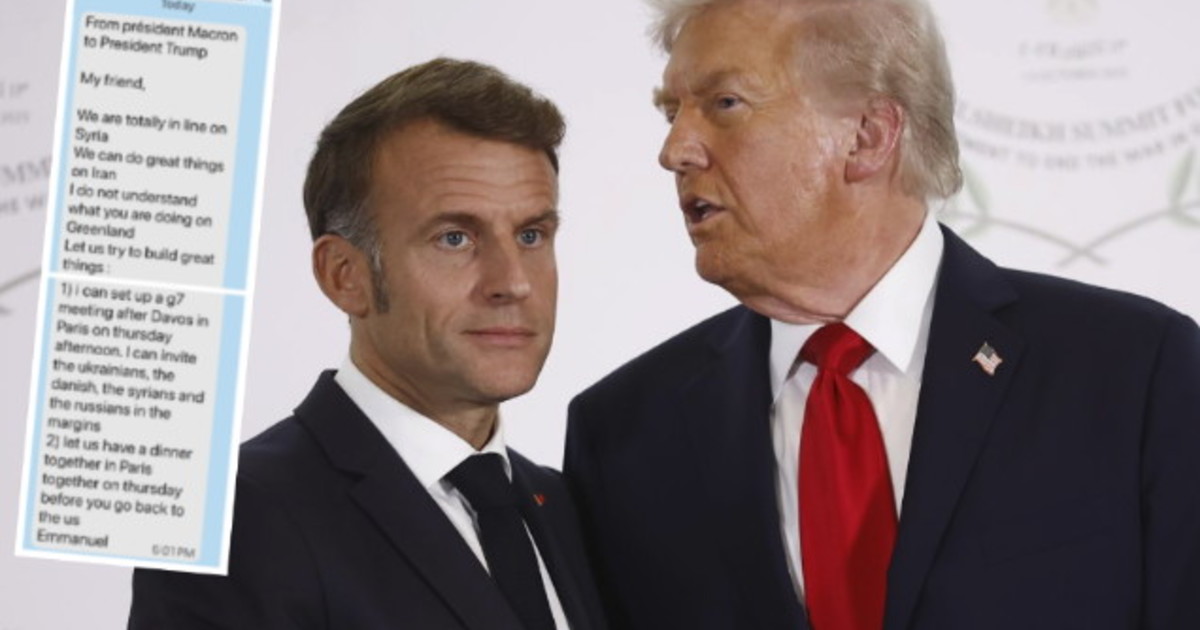
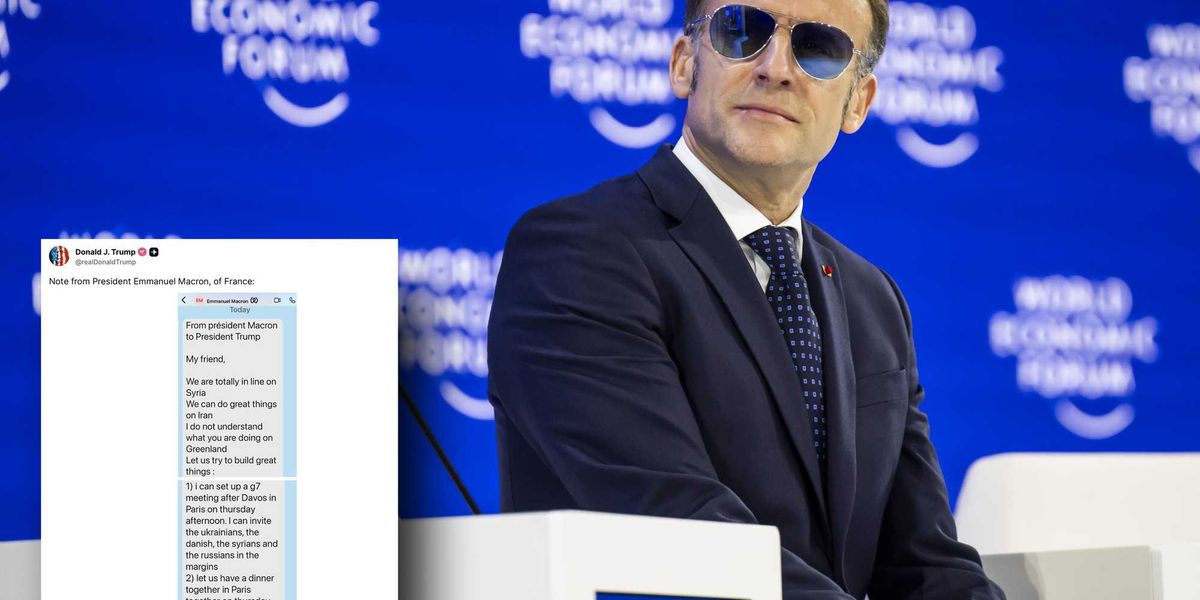
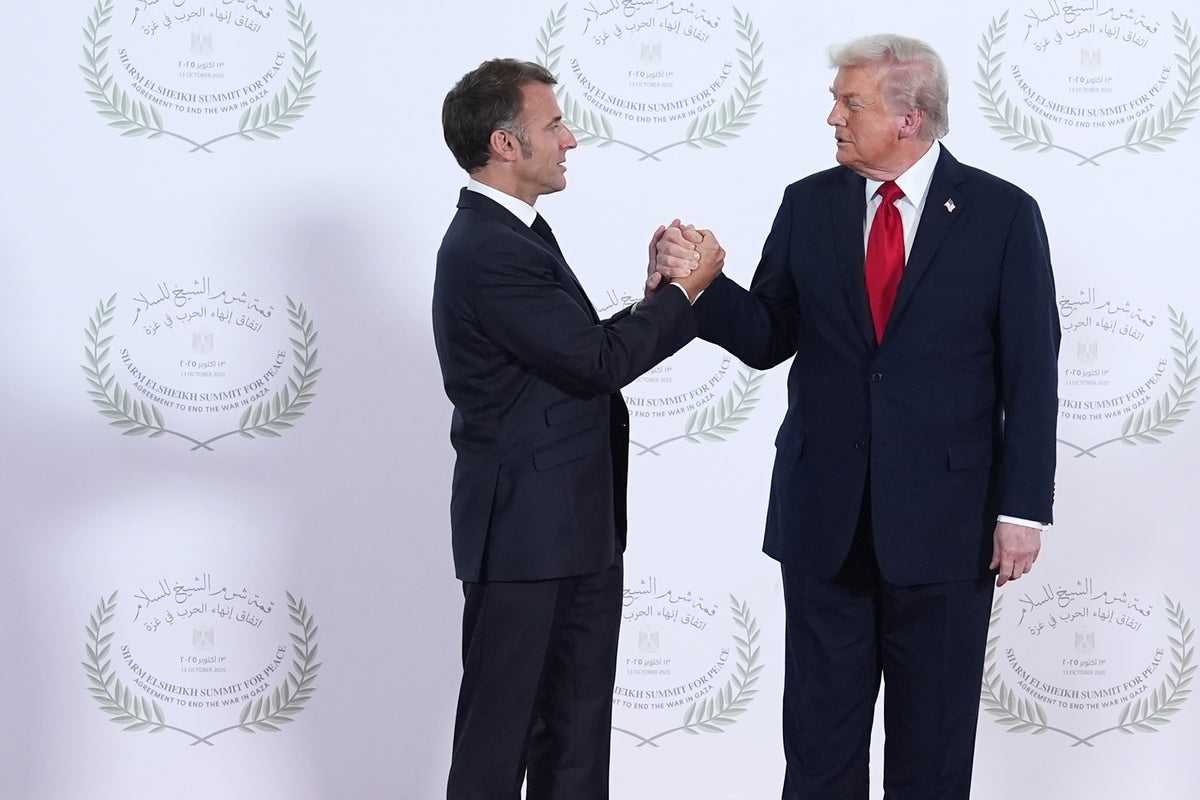
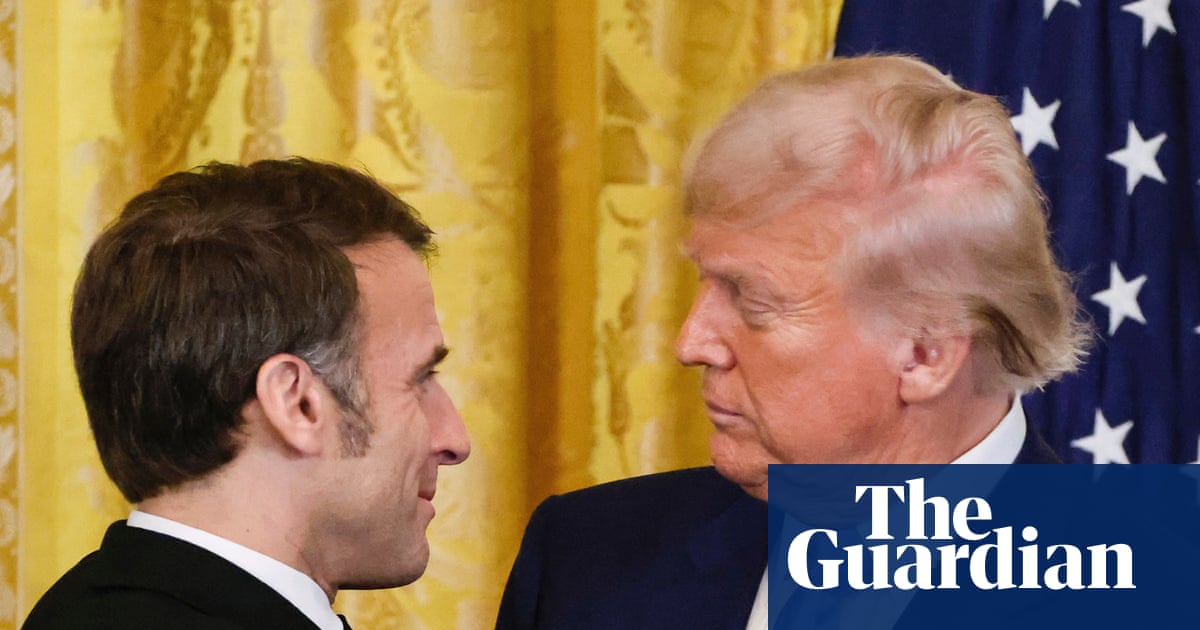
But it is a new development (barring bits of mildly solicitous correspondence from Volodymyr Zelenskyy last year) for him to simply copy and paste the entirety of private messages on to social media, as he did in the case of Emmanuel Macron’s proposal to set up a G7 meeting in Paris to discuss Greenland, Ukraine and Syria.
The publication of Macron’s message was designed to hurt, just as a message attacking Keir Starmer was intended to wound. Fortunately for Macron, proposing a G7 meeting – a typically bold Macron initiative – did not reveal him saying one thing in public and something else in private. The views he expressed on Greenland, Syria, Iran and the need to work in tandem were concisely, if slightly fawningly, expressed and largely in line with his public views.
The episode again underlines that Trump’s methods remove the basic modicum of trust required for two leaders to cooperate efficiently. One leader tries to operate by the established rules of diplomatic efficiency. Trump blows them up.