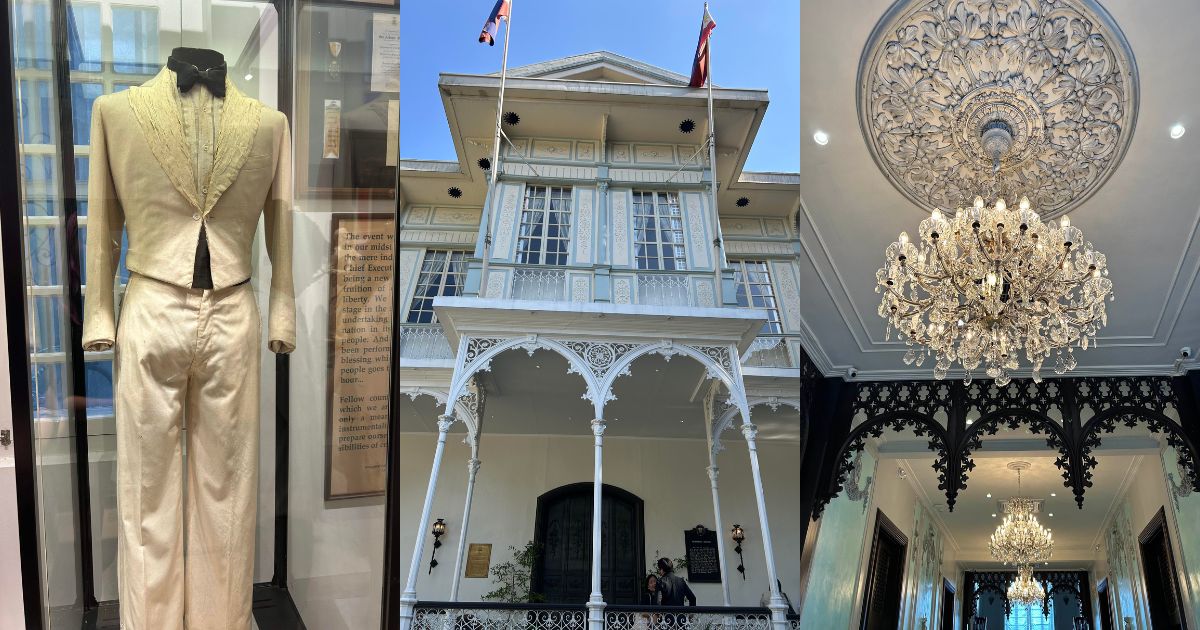
MANILA: In Malacanang, the presidential palace of the Philippines, residents come and go usually every five years, but some are believed to have lingered for centuries, haunting its historical corridors with their mysterious presence.
Built in 1750 as a summer house for a Spanish aristocrat, the palace was acquired by the Spanish government in 1825 and served as the residence of the colonial governor-general — first of Spain and from 1898, the US. When the Philippines gained full independence in 1946, it remained its seat of power.
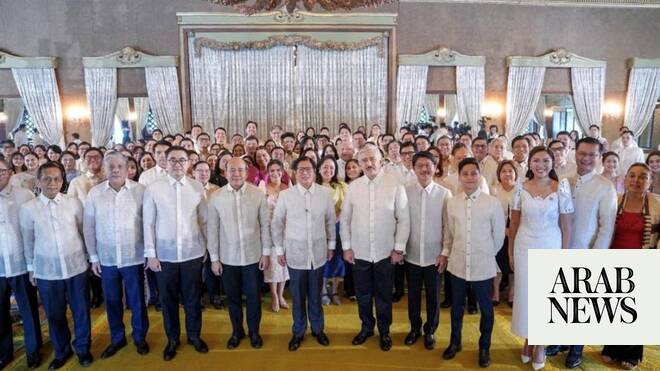
The building’s halls and walls have seen centuries of history and remain witnesses not only to politics but also to episodes that those who have worked there say they had to accustom themselves to: from phantom footsteps to a headless figure wearing the barong — the traditional Filipino shirt — complaining voices, or a waiter reporting for work long after his death.
Ignacio Bunye, press secretary during the administration of former President Gloria Macapagal-Arroyo, told Arab News that some officials, including Eduardo Ermita — executive secretary of the Philippines from 2004 to 2010 — took it seriously.
“In Secretary Ermita’s office, you’ll see so many medallions and little images of the Virgin Mary pasted on the windows. He even had his office blessed every now and then. Word is there’s a lot of strange apparitions in his office,” Bunye said.