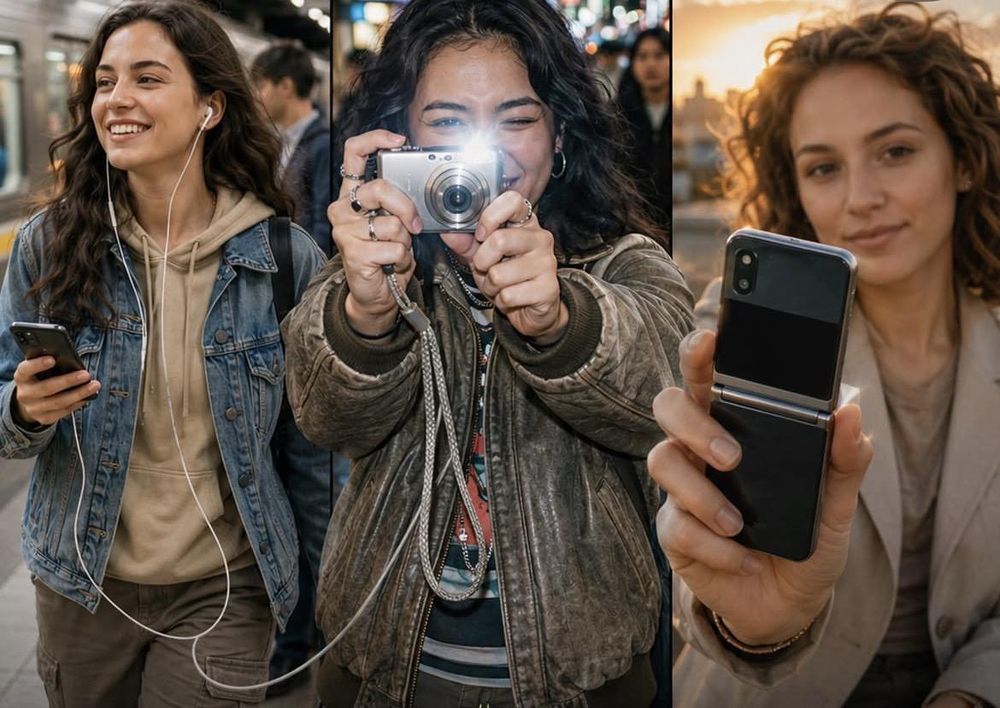
While ‘touch grass’ has become a popular prescription for a less digital life, choosing social friction over efficiency can also feel curative
At the turn of the millennium daily life looked very different. The modern internet was just a decade old, mobile phones were far from universal and our social lives were mostly physical – and local.
In the 25 years since, technology has changed how we live in profound ways. Most people check their phone within minutes of waking and return to it on average 186 times a day. Computers and the systems that sit behind them mediate every aspect of modern life, shaping how we move through the world.
The time we spend with screens now dwarfs that spent interacting with others. In 2024, the average Australian spent two hours and 13 minutes a day on screen-based activities – nearly half their free time – but just 38 minutes socialising in person. Young Americans now spend 70% less time attending or hosting parties than they did 20 years ago, and have among the highest screen time of any age cohort. Meanwhile, consistent surveys show a trend towards people, particularly men, having fewer close friends. As our reliance on technology has increased, the time we spend with others has shrunk.