https://arab.news/w9d6q
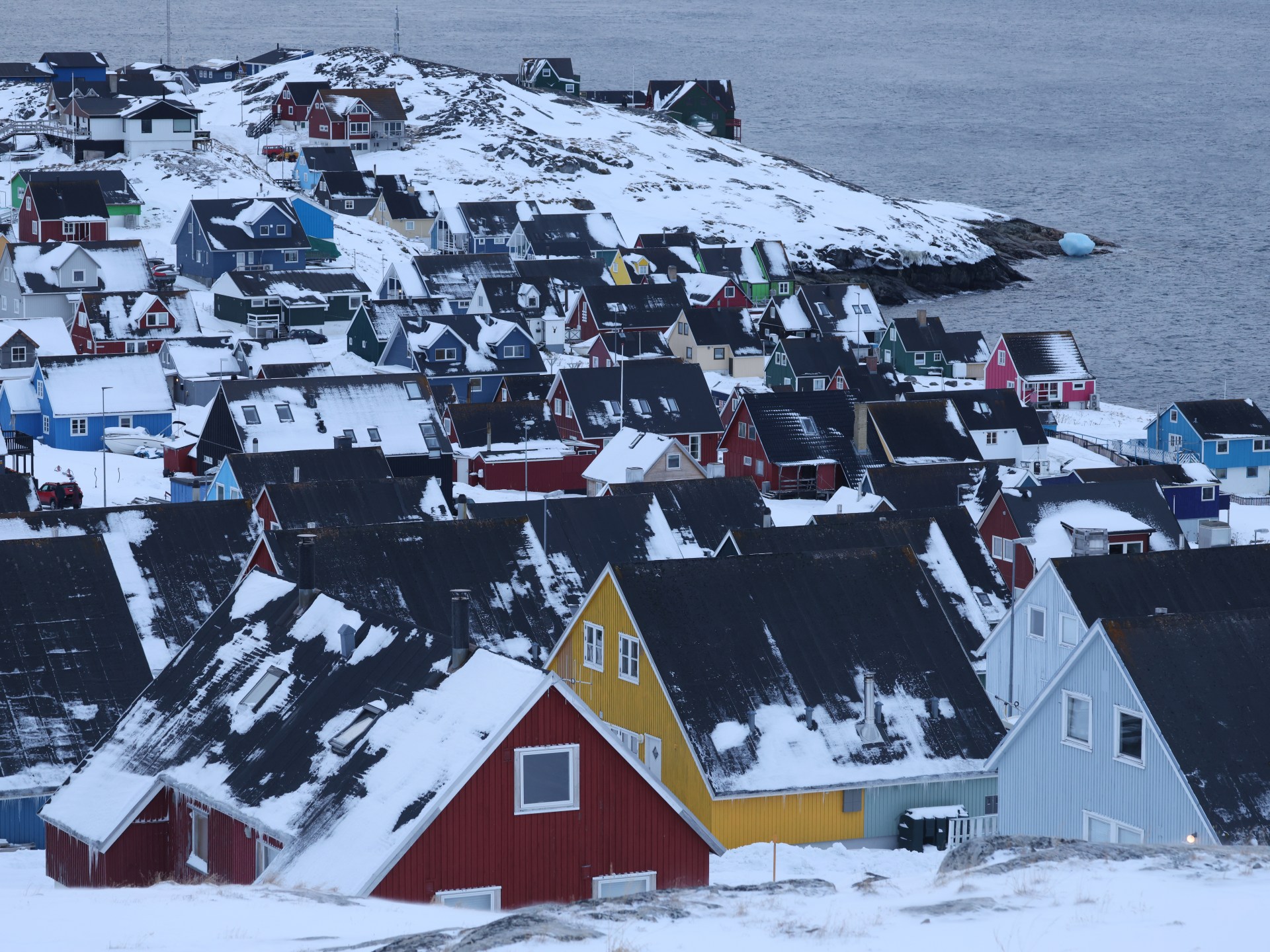
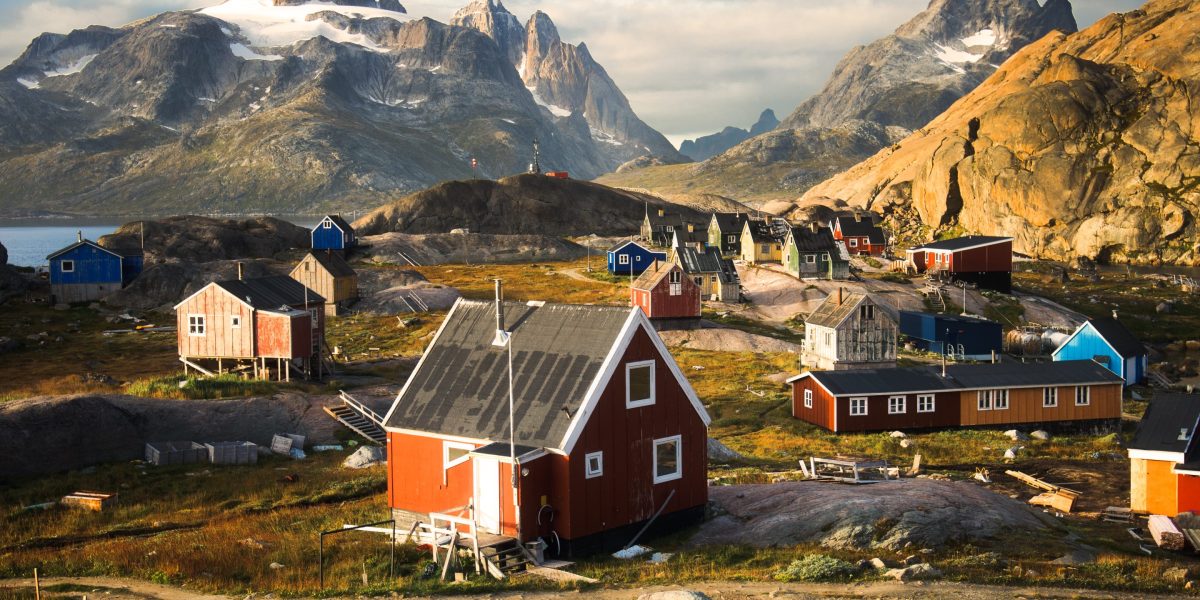
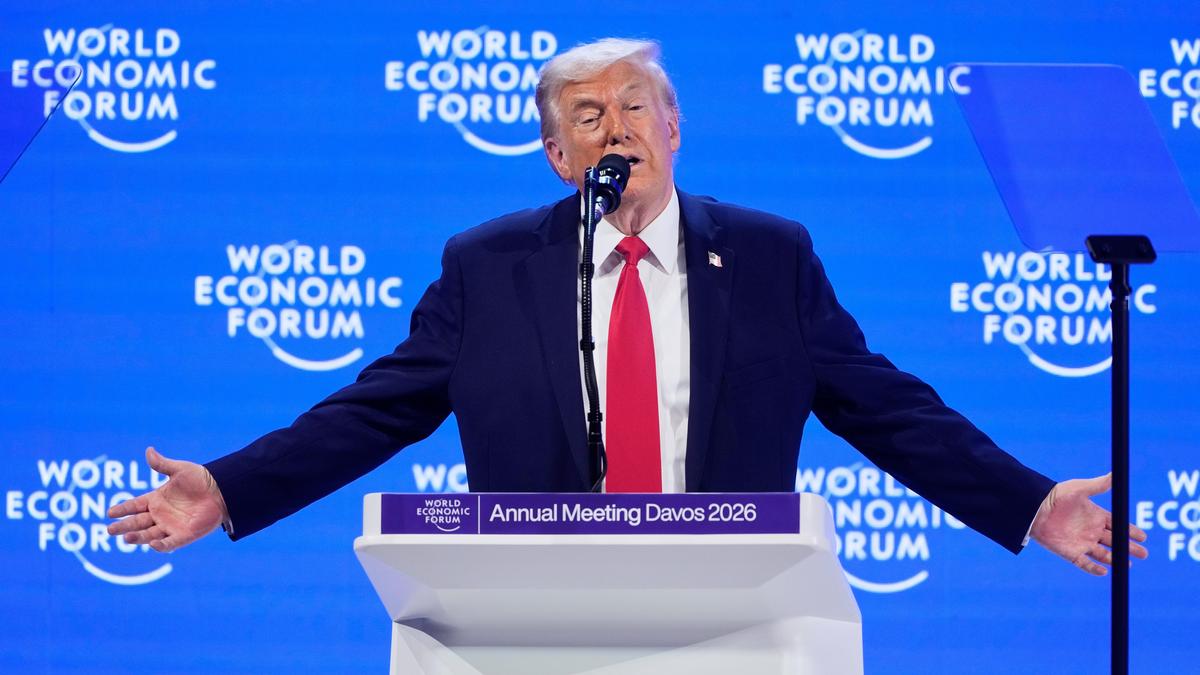
One sovereign nation purchasing land from another. This method of gaining territory had long been forgotten. But US President Donald Trump has revived it with Greenland. While everyone in Europe and elsewhere, perhaps by habit, has rejected the idea, I tend to ask myself: if they were capable, wouldn’t they want to do it too? Yet the shift in global power is now holding them back. History shows that the powerful have always traded lands. Now, amid a shifting global order, the concept is worth evaluating again. After all, which is better: acquiring land by war or by trade?
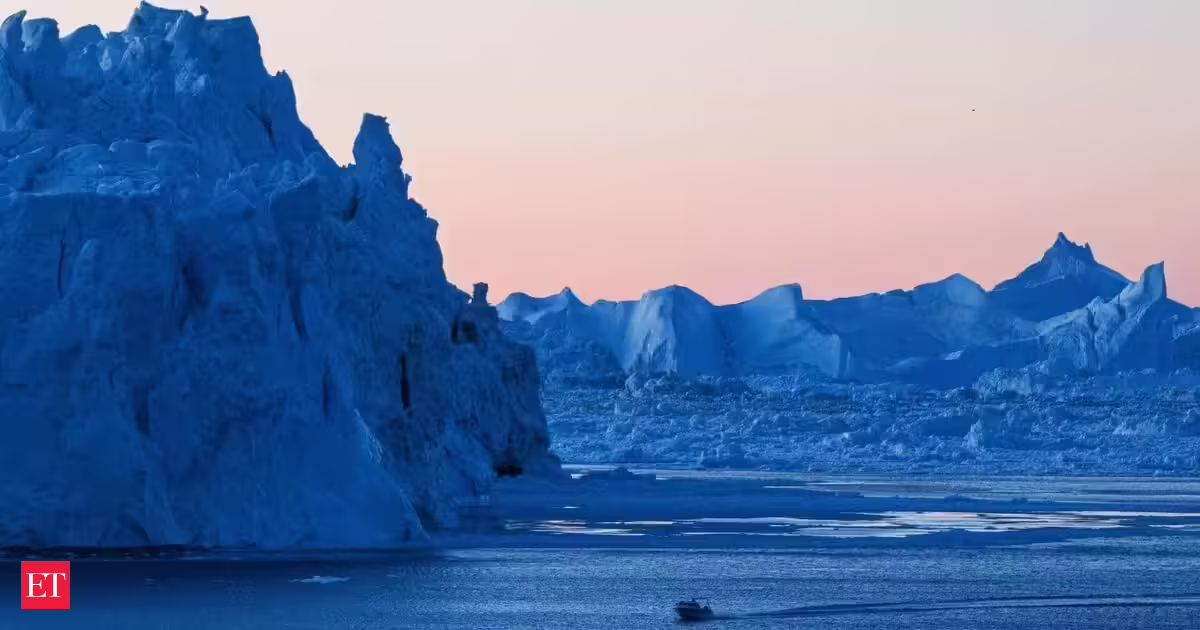
It is useful to highlight that this is not the first time Denmark and the US have faced a potential land deal. The US purchased the Virgin Islands from Denmark in 1917 for $25 million. At the time, President Woodrow Wilson pushed for the deal mainly out of concern that Germany might seize control of these islands. In the case of Greenland, it is Chinese and Russian influence that is considered to pose a great threat to American national security. If we take Greenland and the opening of sea routes during certain seasons, it exposes the US in a similar way.
Exchanging or buying land was mostly a tool of the European colonial powers. One of the most remarkable deals happened between Spain and Portugal and is known as the Treaty of Tordesillas. The two countries controlled much of the land and seas in the 1400s and 1500s. In 1494, to settle territorial issues and avoid wars, they decided to split the world between them. Portugal kept Brazil, while Spain benefited from the split and went on to rule most of South America. The interesting and evident point is that, as both empires weakened, the treaty lost significance.