Dramatic tournament left food for thought for the 2027 edition, from the weather to the warm welcome in Morocco
At the 2024 Africa Cup of Nations in Côte d’Ivoire, officiating was at its finest, with the Confederation of African Football’s video assistant referee operation setting standards that were the envy of the Premier League and several other European leagues. Sadly, refereeing standards took a nosedive at this tournament, which many associate with the abrupt dismissal of the Ivorian Noumandiez Doué as head of Caf’s refereeing department on the eve of last year’s African Nations Championship.
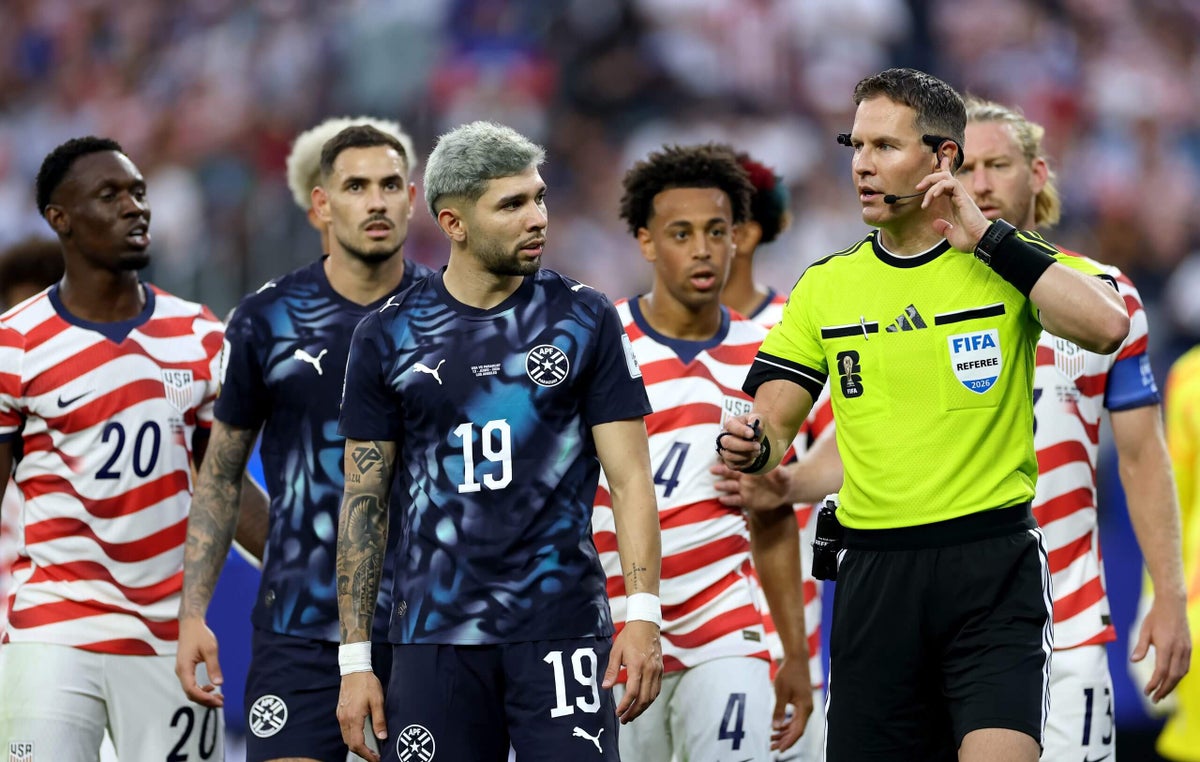
With clear penalties not given, obvious VAR decisions not made and some referees asked to handle knockout games when poor performances should have led to their being sent home, Caf has a herculean task to get refereeing back to acceptable standards at the next Afcon.
Its refereeing department must be filled with competent, independent-minded people who have the courage and ethics to withstand pressure even from Caf’s most powerful politicians. Caf alone is responsible for ensuring Afcon games are managed without fear or favour and Caf alone must be held responsible if refereeing is poor.
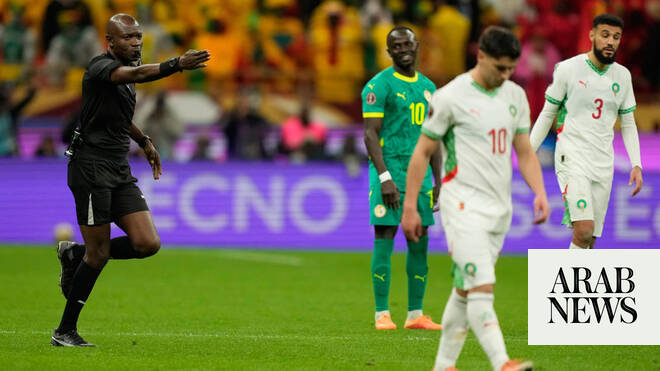
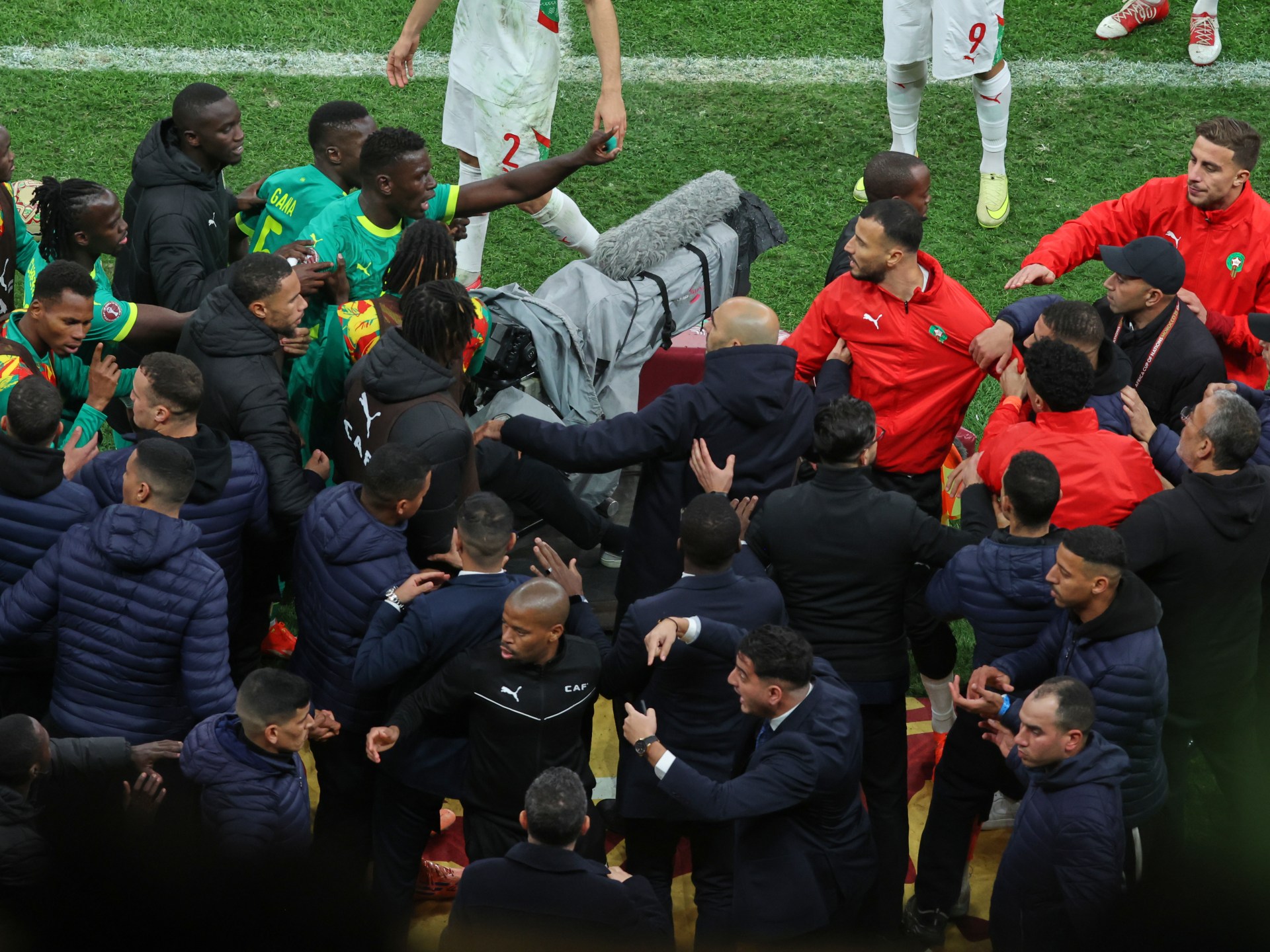
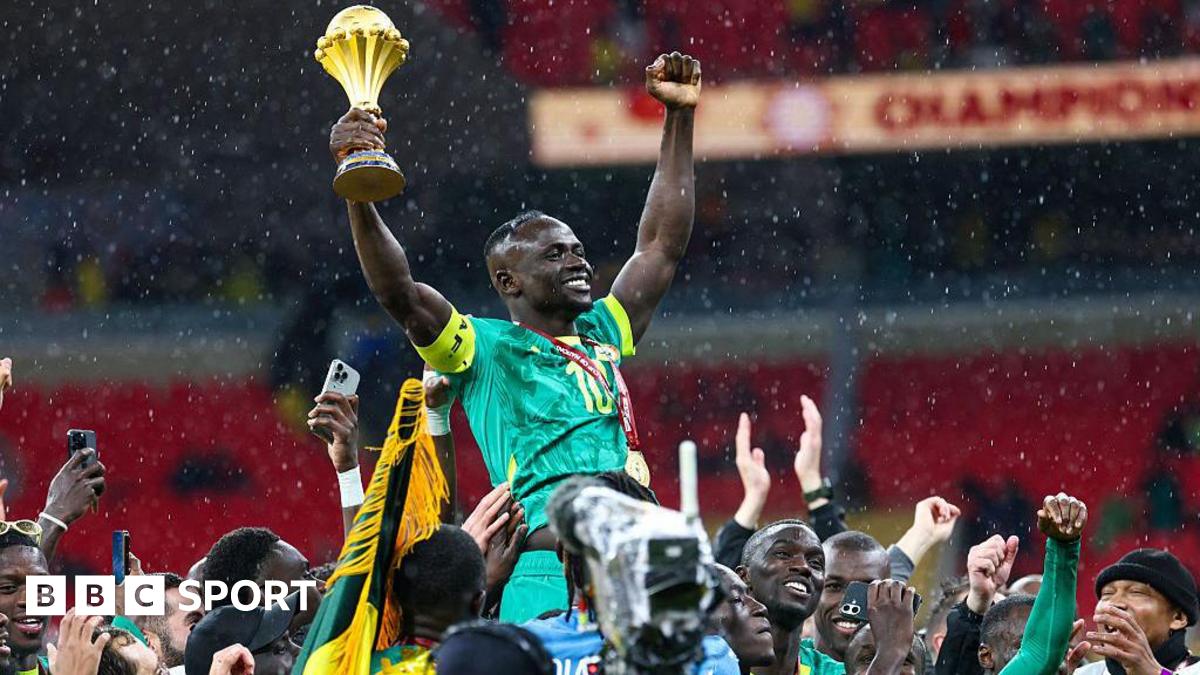
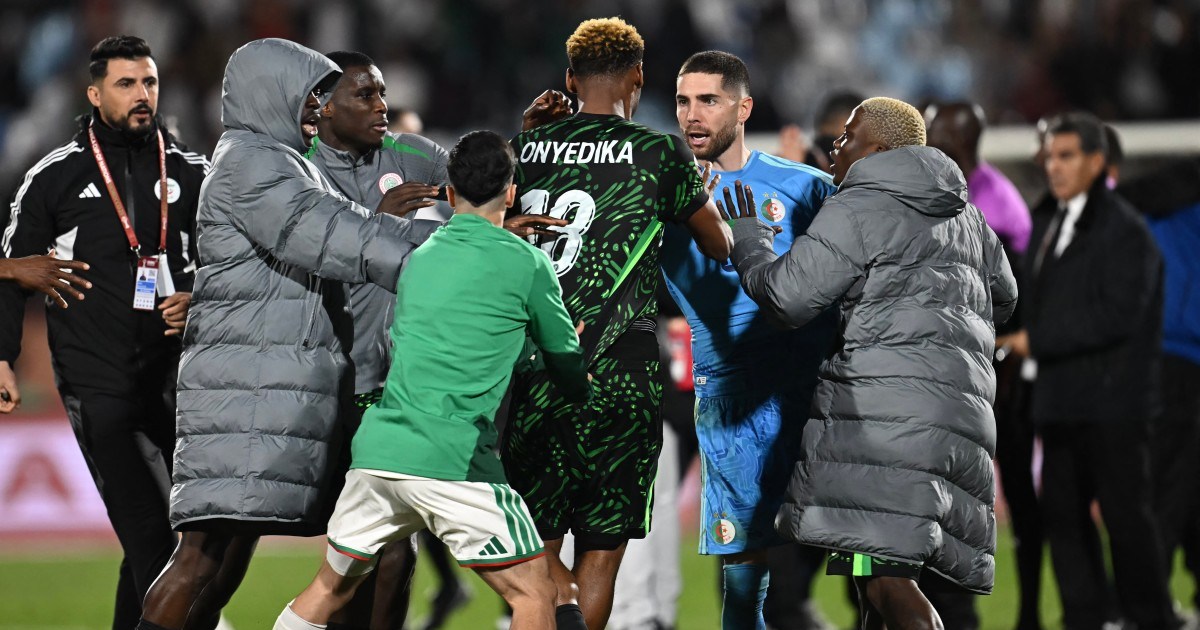
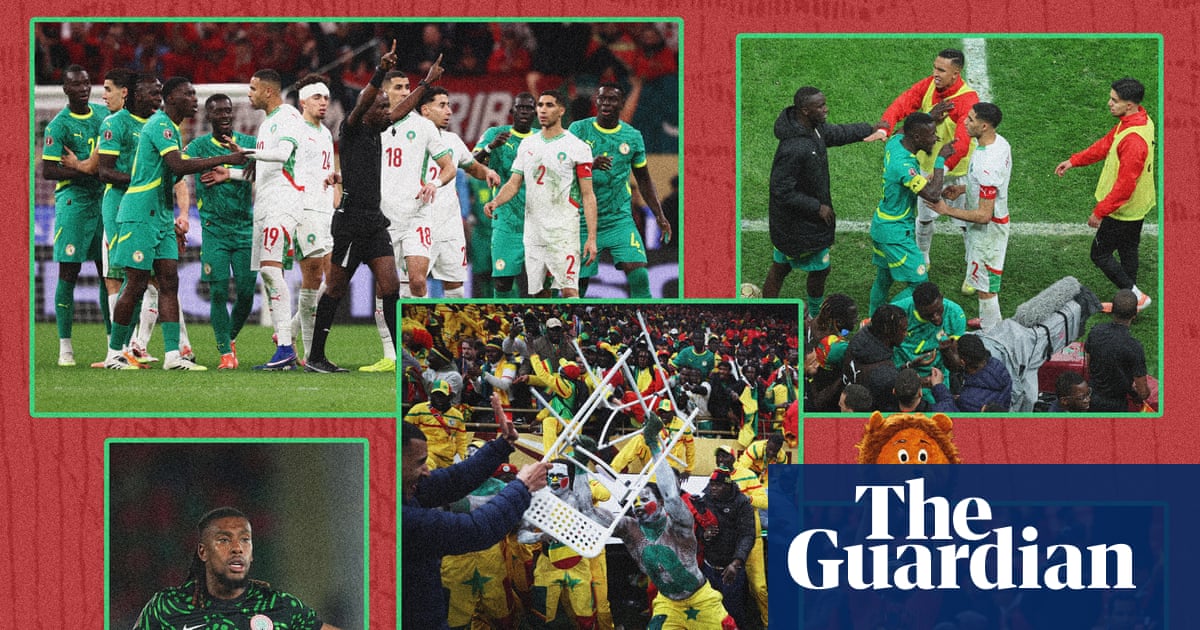
What should have been a sterling Afcon final between the hosts, Morocco, and Senegal was turned into a farce by the referee Jean-Jacques Ngambo Ndala, from the Democratic Republic of the Congo. His unacceptable decision to rule out what would have been a legitimate Senegal goal (blowing for a foul before the ball went into the net meant VAR could not intervene) set in motion an extraordinary series of events. When he then gave Morocco a penalty, with a controversial but arguably legitimate call, it prompted Senegal’s coach, Pape Thiaw, to take his team off the field in protest. It took the gravitas of Senegal’s captain, Sadio Mané, who understood the wider picture of an abandoned Afcon final, to bring them back on to the field.