https://arab.news/96xam
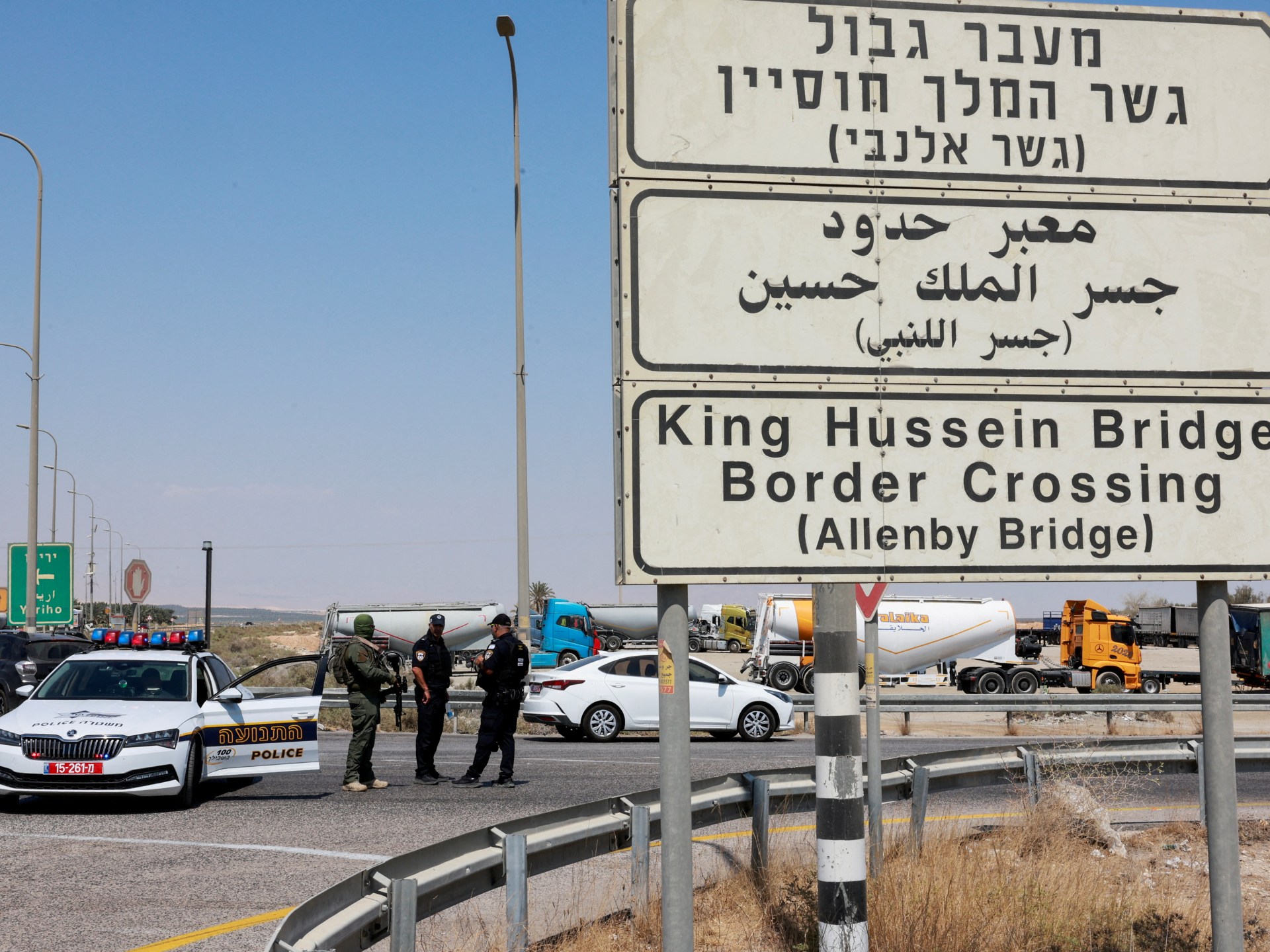
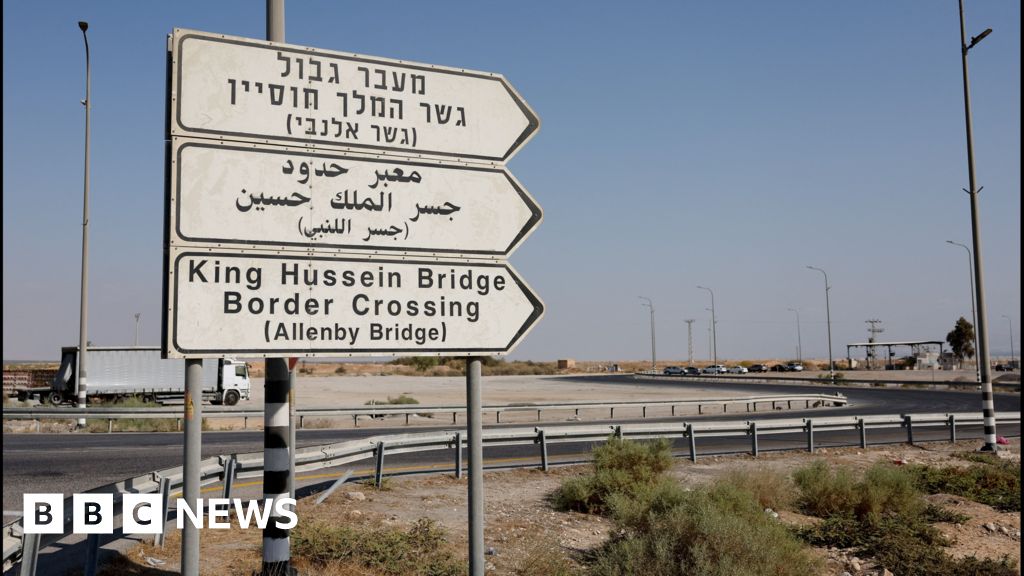
The King Hussein Bridge stands as a stark symbol of the struggles faced by Palestinians in their quest for freedom of movement and human dignity. As I observed during my recent visit to Palestine, the frustrations surrounding this crossing have escalated, revealing not only the logistical challenges but also the deeper implications of Israeli policies that exacerbate these issues.
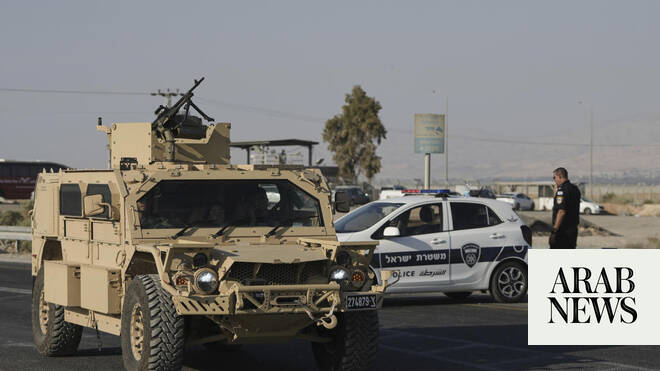
In recent weeks, the situation at the King Hussein Bridge has reached a boiling point. As many Palestinians attempted to travel back to the West Bank from Jordan for work and school, they faced long queues, overcrowded conditions and a lack of transparency in respect of the order of who gets priority to cross. While some criticisms of Jordan’s management of the crossing are valid, it is crucial to understand that the root causes lie in the stringent Israeli controls that create artificial delays, huge bottlenecks and chaos.
Efforts by the Biden administration to pressure Israel into keeping the bridge open 24 hours a day were temporarily successful in April 2023 but have since been rolled back. Even with the recent ceasefire in Gaza and the start of the second phase of the peace plan, there appears to be no renewed commitment from the US to ensure that this vital crossing remains open around the clock for the 3 million Palestinians in the West Bank. The claims of the international community, including the US, to respect Palestinian rights and dignity ring hollow in light of the reality at this crossing.