A guide to each club’s setups, from Chelsea’s multi-headed structure to Brentford’s smooth planning and Manchester United’s muddles
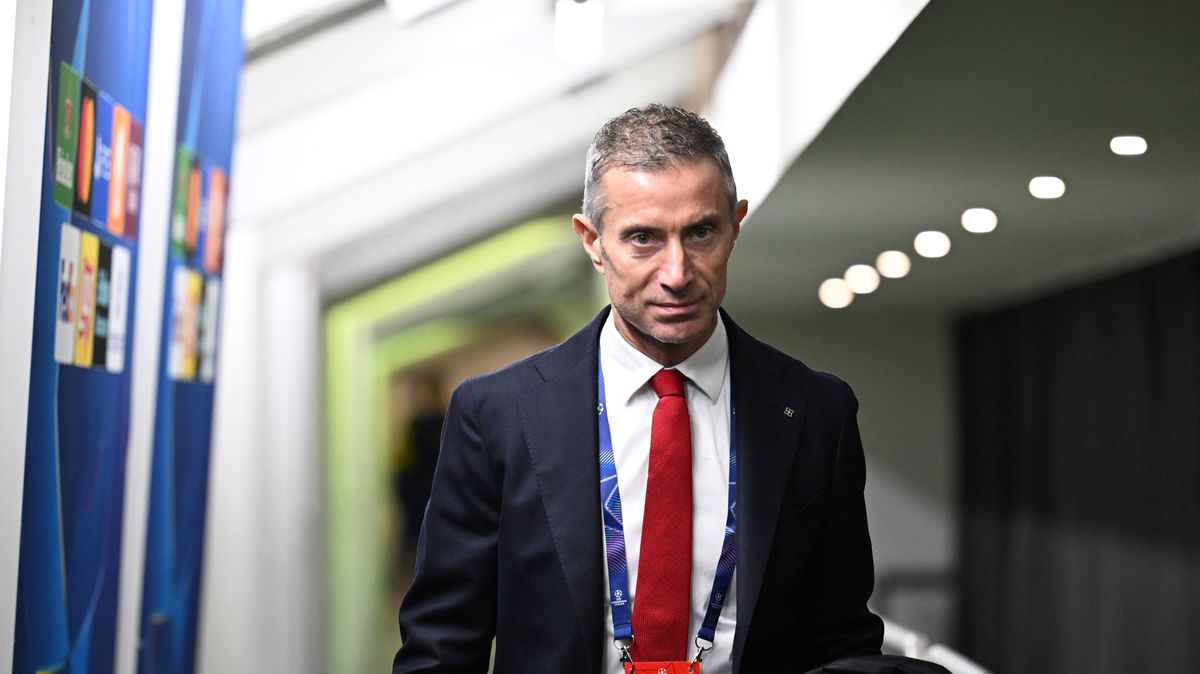
The appointment of Andrea Berta as sporting director in March was greeted with much enthusiasm by Arsenal’s supporters, given his impressive track record in more than a decade at Atlético Madrid,. The Italian, who began his career in finance, has made an instant impression. Known as a shrewd negotiator, the suave and softly spoken 54-year-old masterminded Arsenal’s outlay of more than £250m in the summer that included the arrivals of Viktor Gyökeres, Eberechi Eze and Noni Madueke. Berta takes the lead on recruitment in consultation with Richard Garlick, who was promoted to chief executive in September, the manager, Mikel Arteta, and the co-chair Josh Kroenke. James Ellis, a former scout who then spent two years as head of recruitment, was appointed as technical director in the summer and is tasked with “delivering the club’s long-term player progression strategy”, with a focus on creating a pathway from academy to first team. Ed Aarons
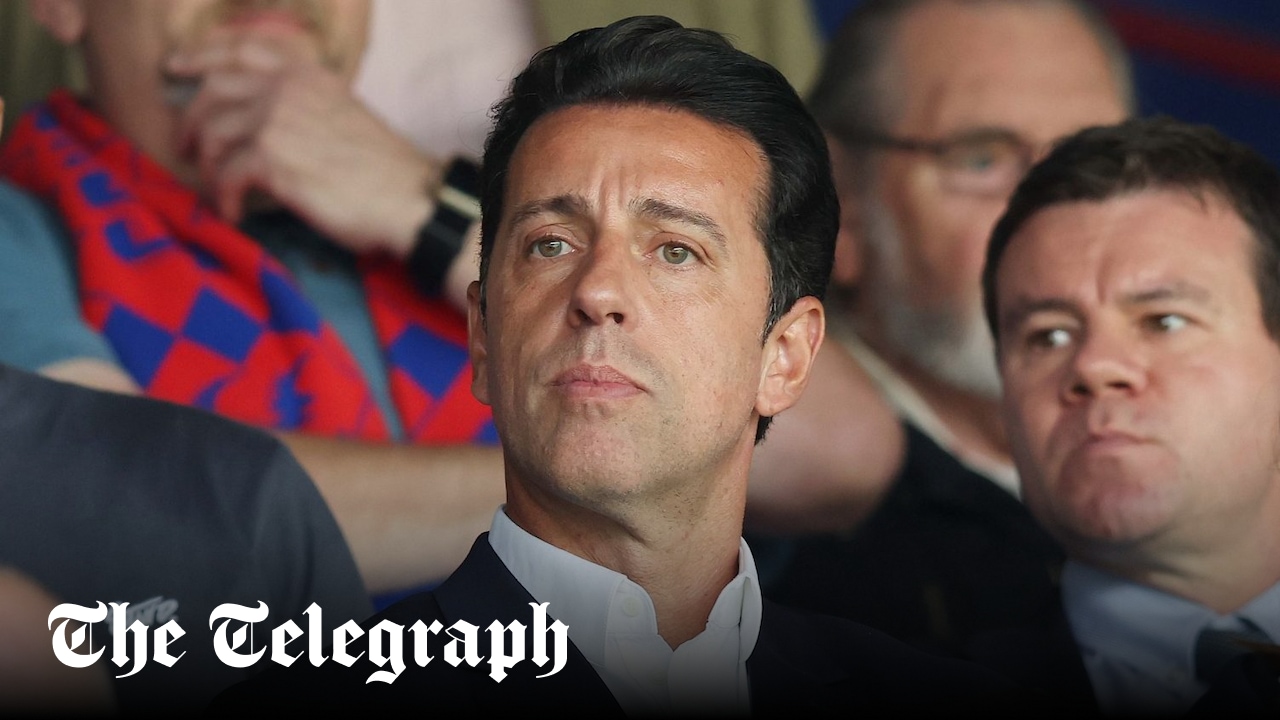
Roberto Olabe gave his former Real Sociedad teammate Unai Emery a second crack at management, at second-tier Almería in 2006, and last October it was a role reversal of sorts when Olabe was appointed president of football operations. Emery turned to his fellow Basque to replace Monchi, who wanted to return to Spain after growing frustrated. Olabe works closely with Emery and Damian Vidagany, Villa’s director of football operations and Emery’s right-hand man. Olabe, a former goalkeeper, won acclaim for his work at Sociedad, where he bought and sold Alexander Isak, loaned Martin Ødegaard and oversaw the development of Martín Zubimendi. On Olabe’s arrival the Villa co-owner Nassef Sawiris highlighted Olabe’s “reputation as someone who can spot talent that can be developed”. But, make no mistake, Emery is both manager and kingmaker at Villa. Ben Fisher