Progress of artificial general intelligence could stall, which may lead to a financial crash, says Yoshua Bengio, one of the ‘godfathers’ of modern AI
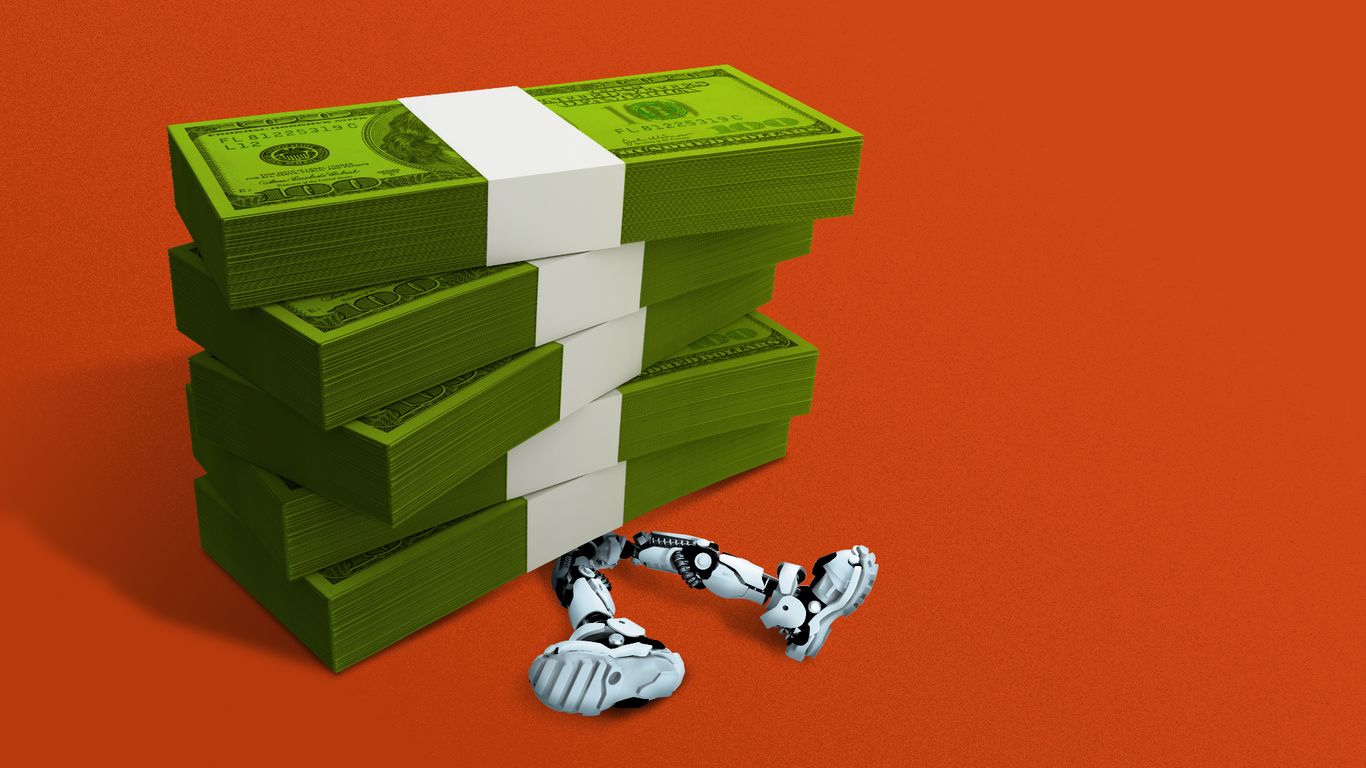
Will the race to artificial general intelligence (AGI) lead us to a land of financial plenty – or will it end in a 2008-style bust? Trillions of dollars rest on the answer.
The figures are staggering: an estimated $2.9tn (£2.2tn) being spent on datacentres, the central nervous systems of AI tools; the more than $4tn stock market capitalisation of Nvidia, the company that makes the chips powering cutting-edge AI systems; and the $100m signing-on bonuses offered by Mark Zuckerberg’s Meta to top engineers at OpenAI, the company behind ChatGPT.
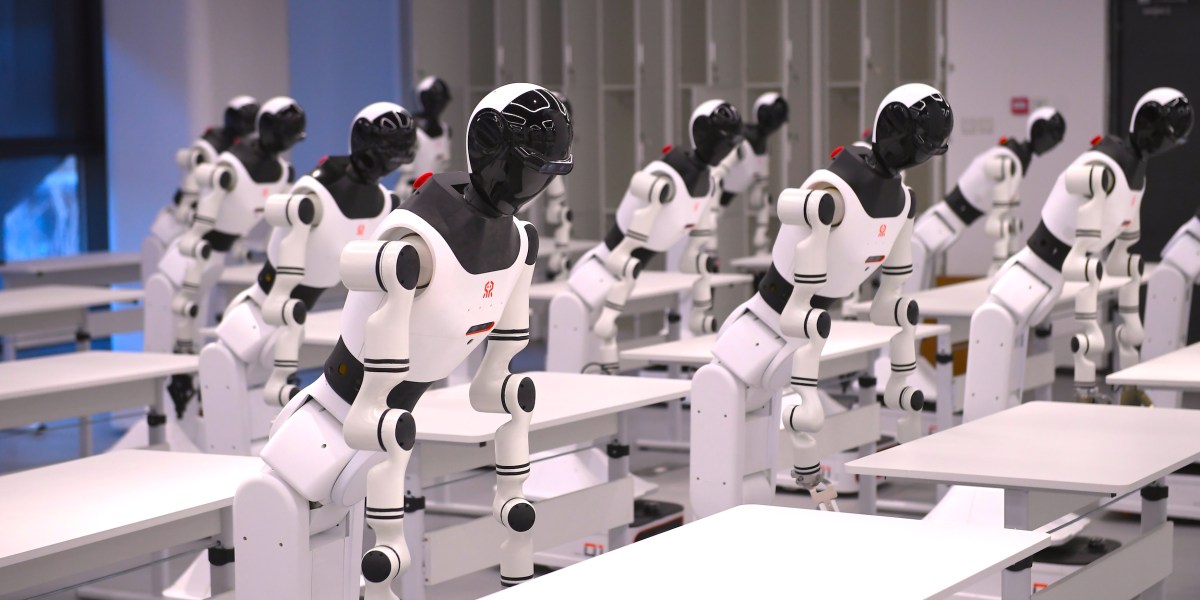
These sky-high numbers are all propped up by investors who expect a return on their trillions. AGI, a theoretical state of AI where systems gain human levels of intelligence across an array of tasks and are able to replace humans in white-collar jobs such as accountancy and law, is a keystone of this financial promise.
It offers the prospect of computer systems carrying out profitable work without the associated cost of human labour – a hugely lucrative scenario for companies developing the technology and the customers who deploy it.