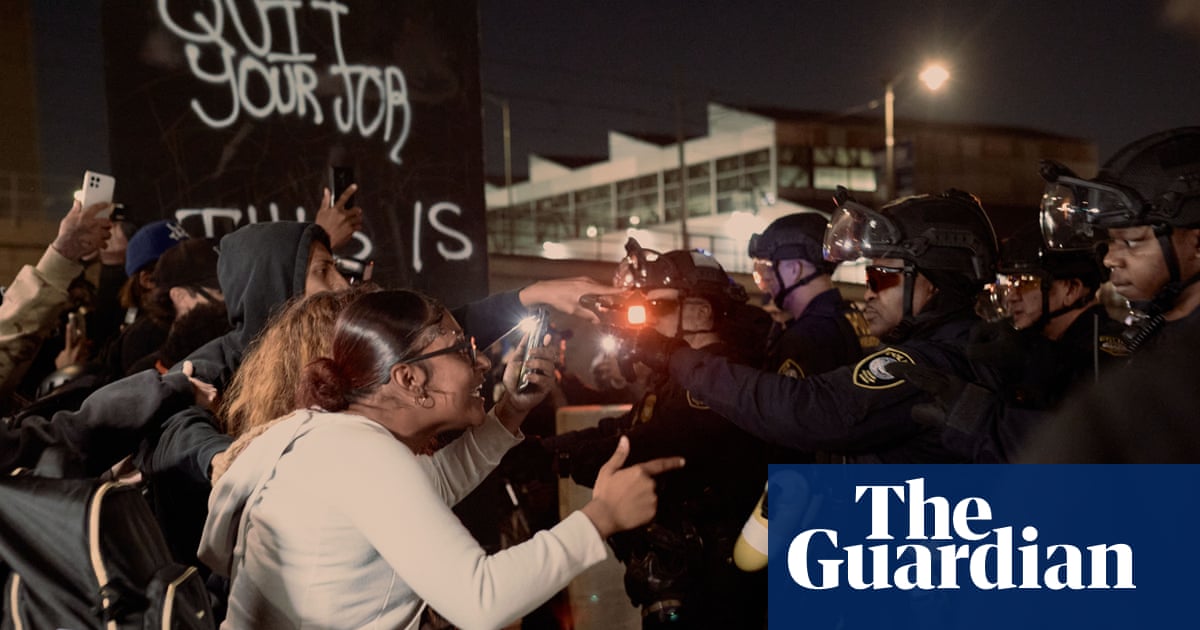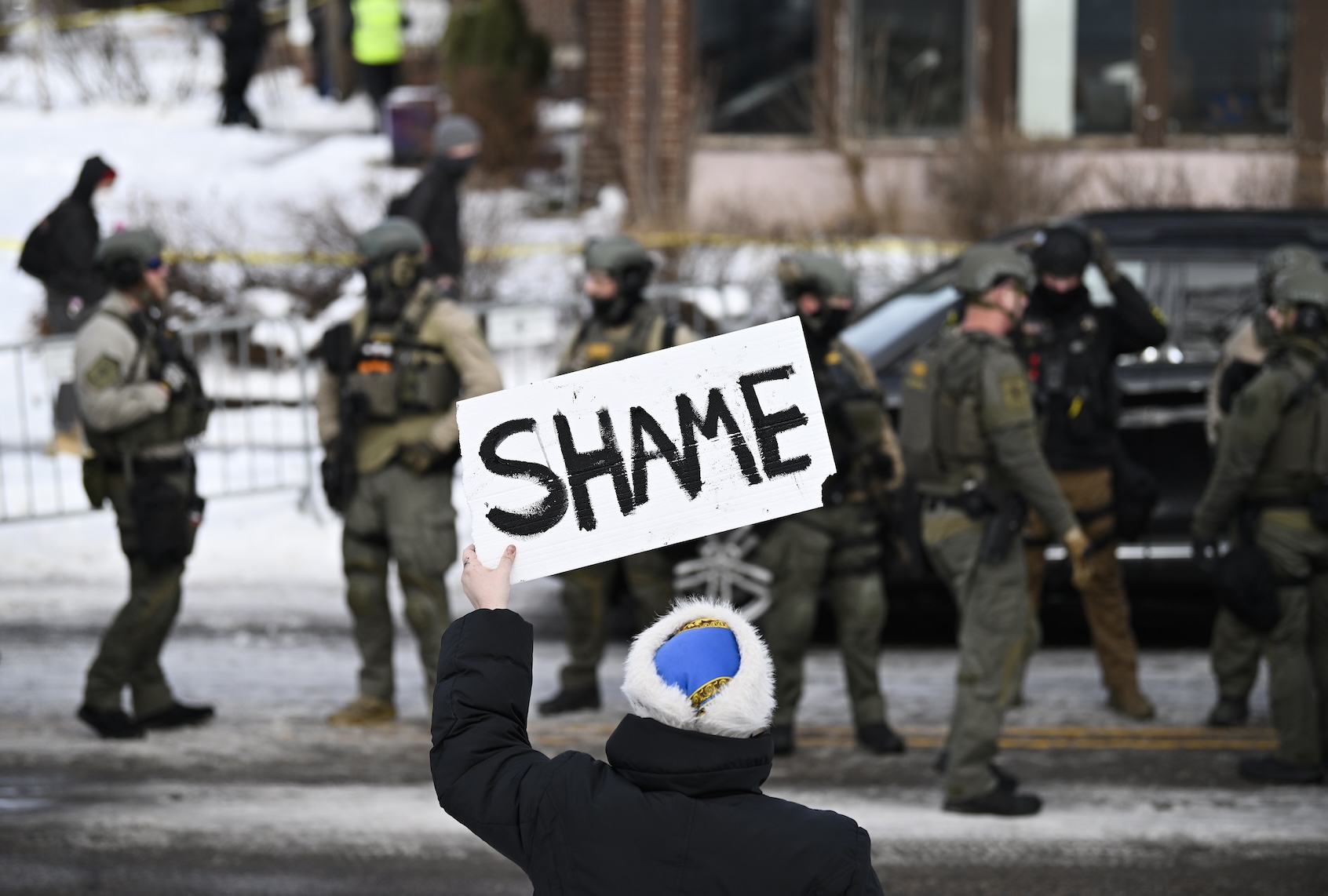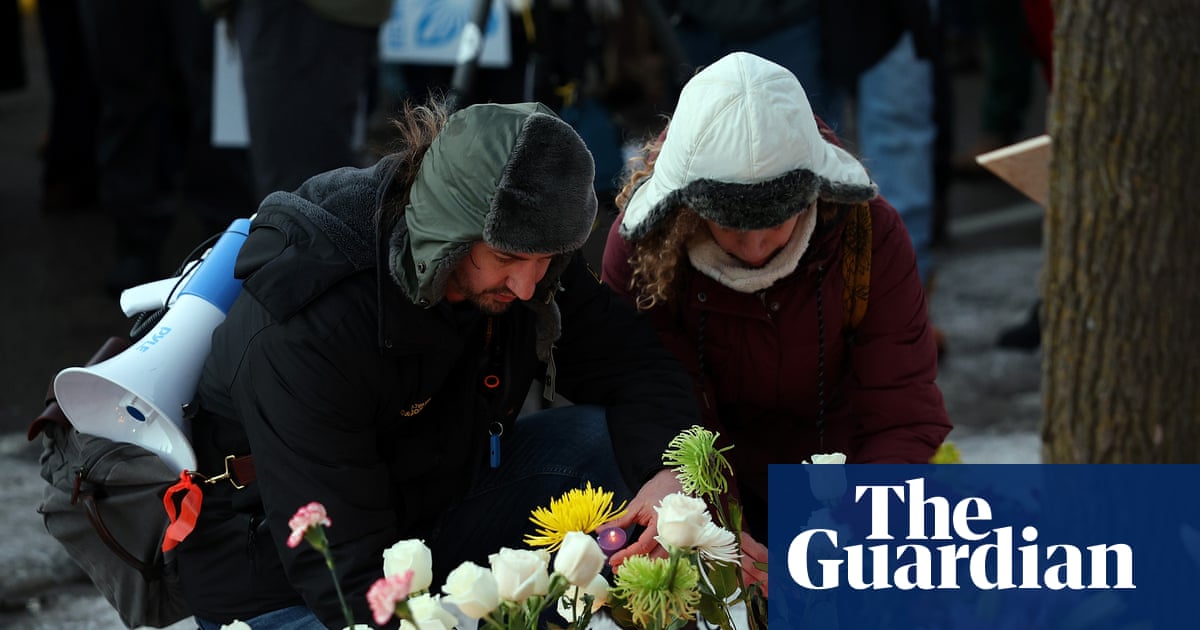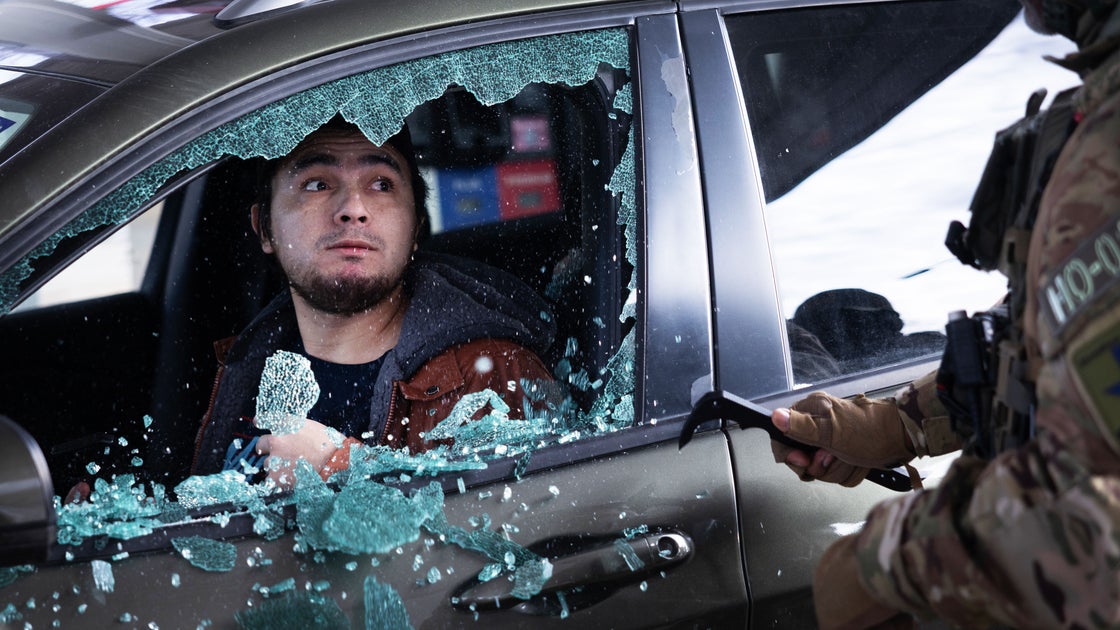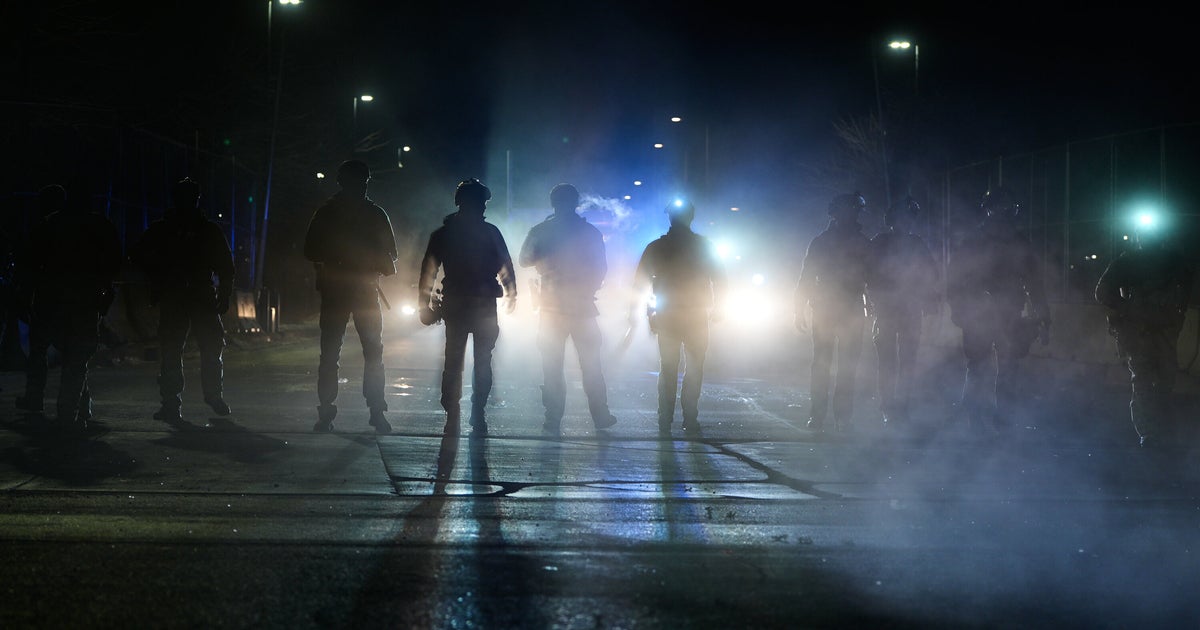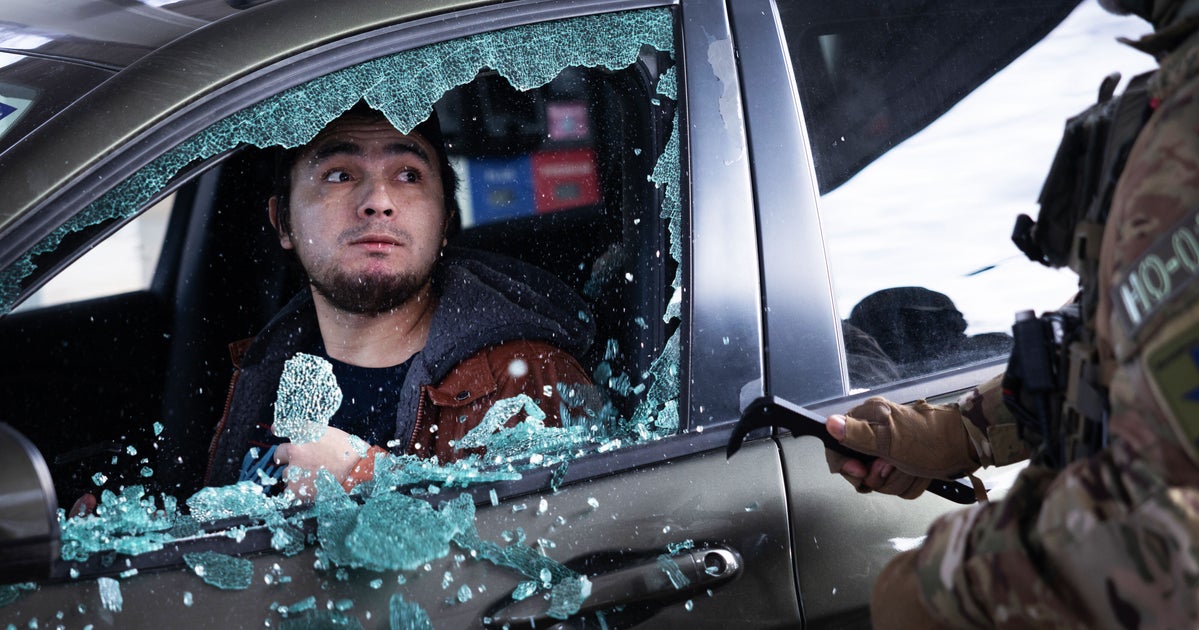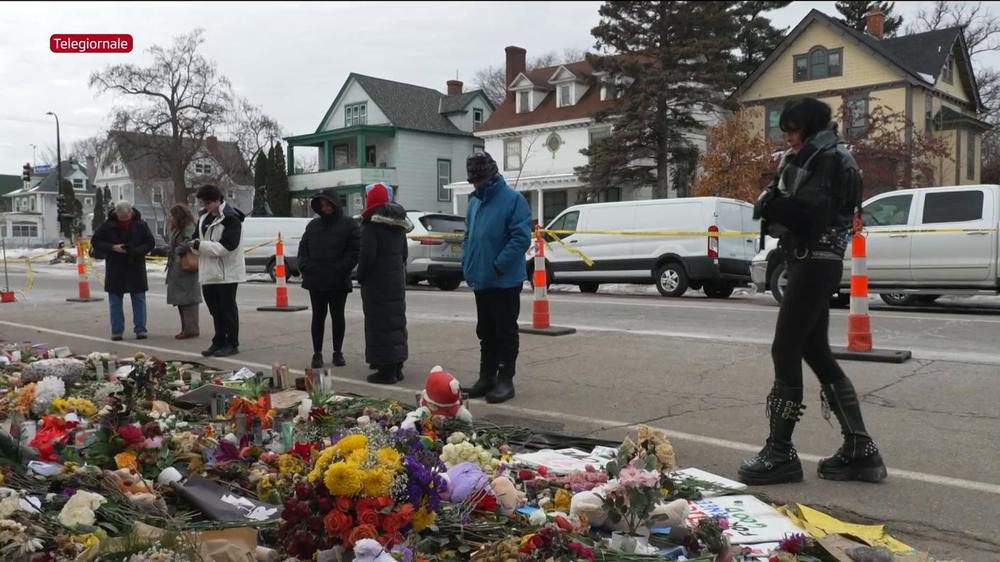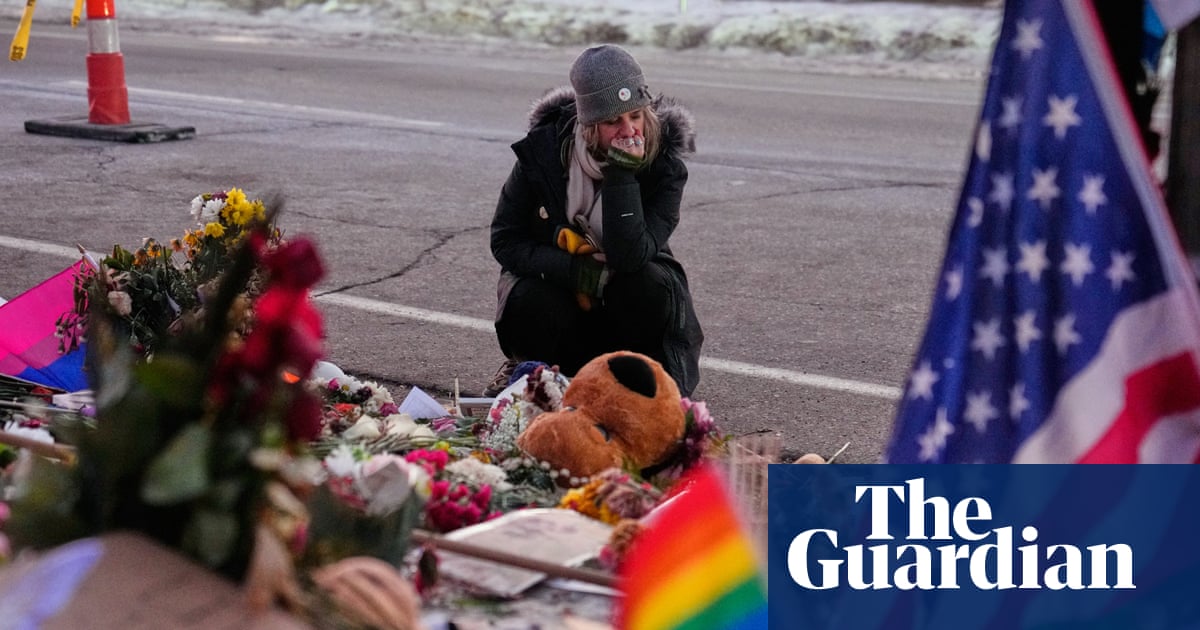
Classrooms have emptied, shops have shut, and the mood is tense – but as the federal operation has ramped up, so has residents’ response
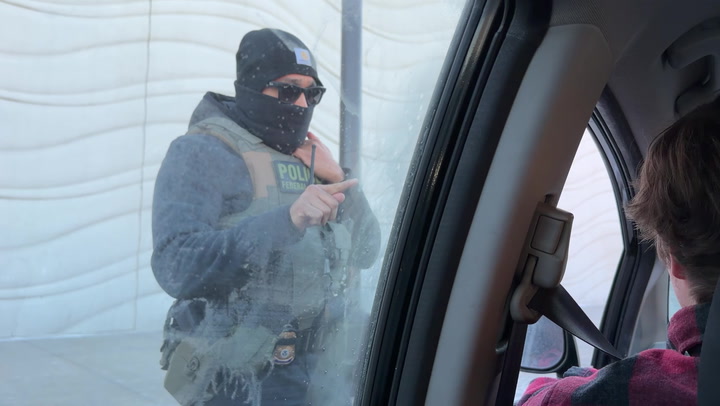
At 6.15am, Jac Kovarik revs up their SUV and snakes through the iced-over streets of south Minneapolis, eyes scanning for federal immigration agents.
The neighborhood where Renee Good was killed by a federal officer has been eerily quiet. The bus stops are depleted of early shift workers.
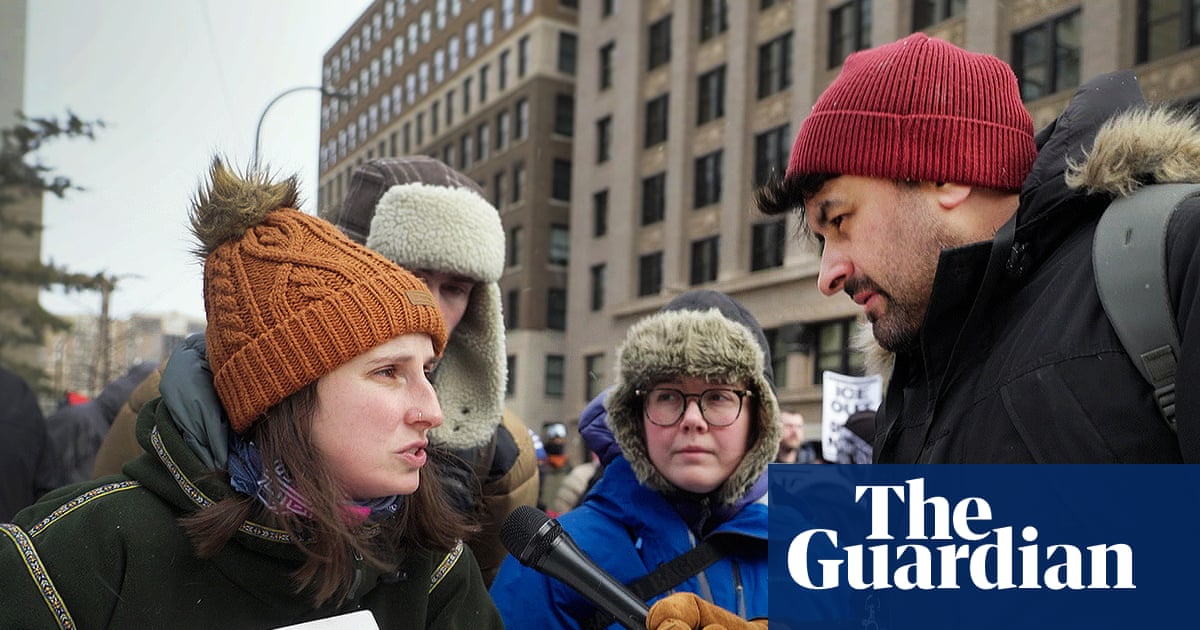
By 7am, a contingency of parents is walking their kids to kindergarten and elementary school – down from its usual bustling size to just one or two parents who are now escorting not just their own children, but also those of their immigrant neighbors and friends too afraid to leave the house.
As the sun rises, there are volunteers on nearly every corner of the neighborhood, clutching bright orange whistles. They blow them all in unison when they spot what looks like an Immigration and Customs Enforcement vehicle.