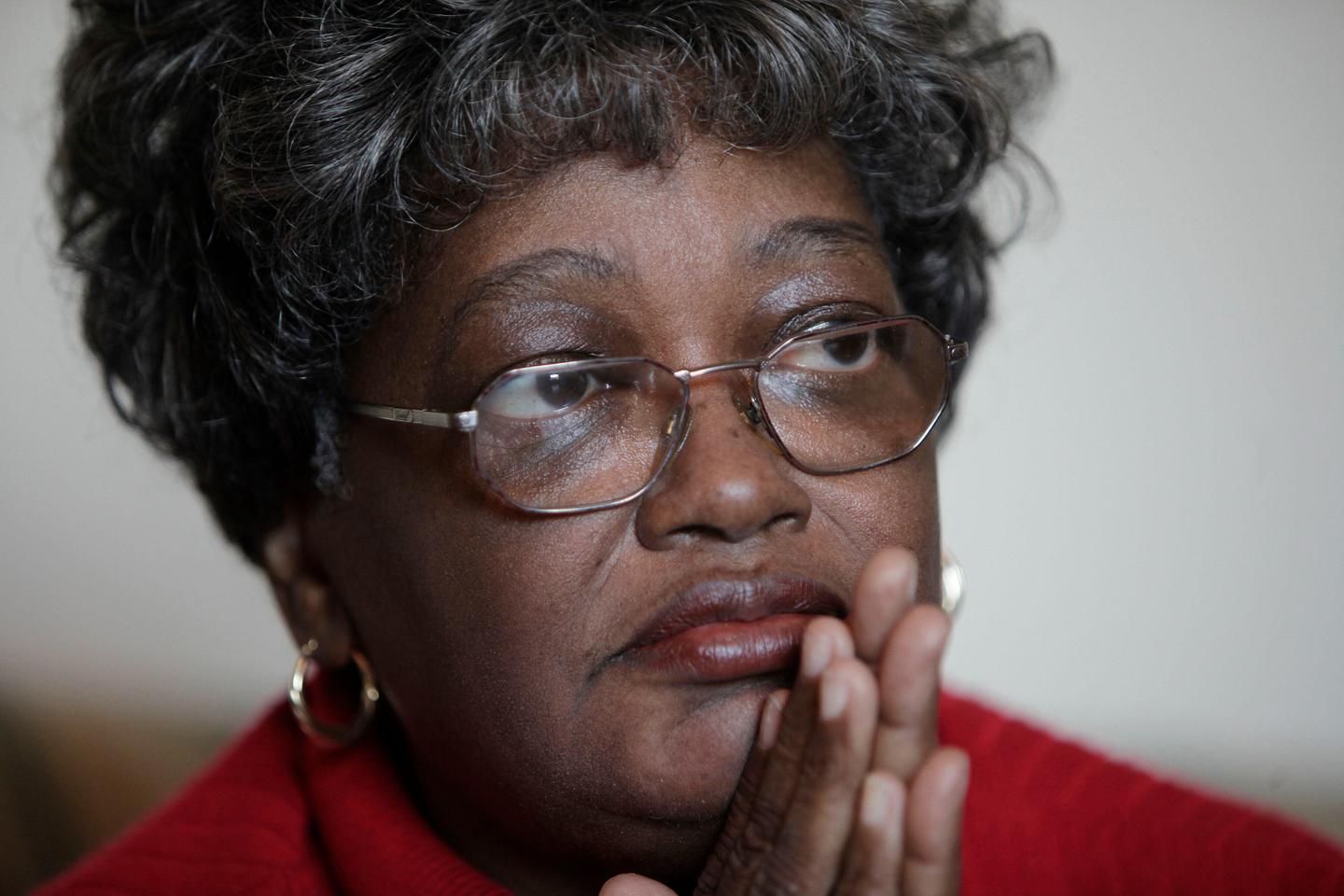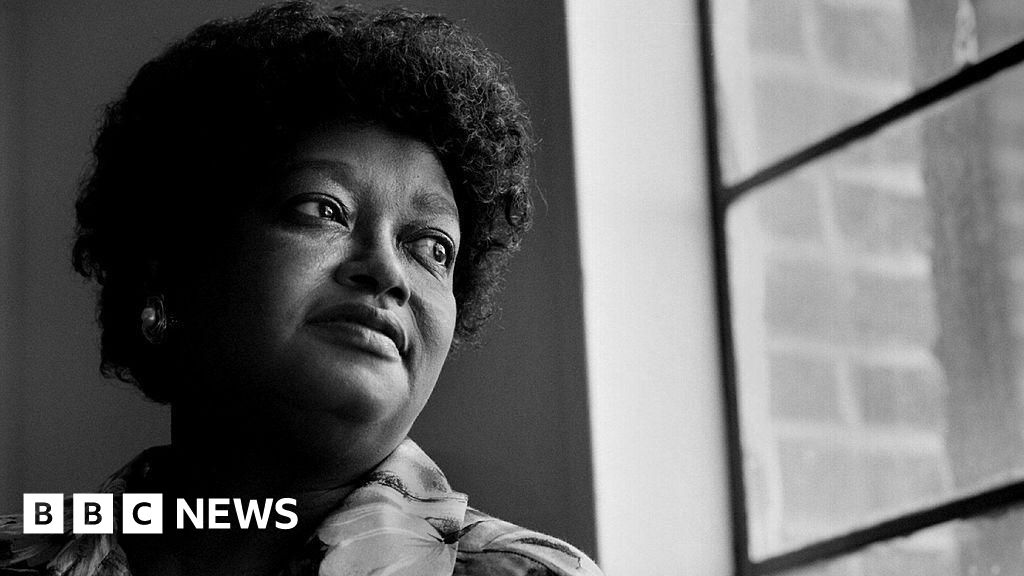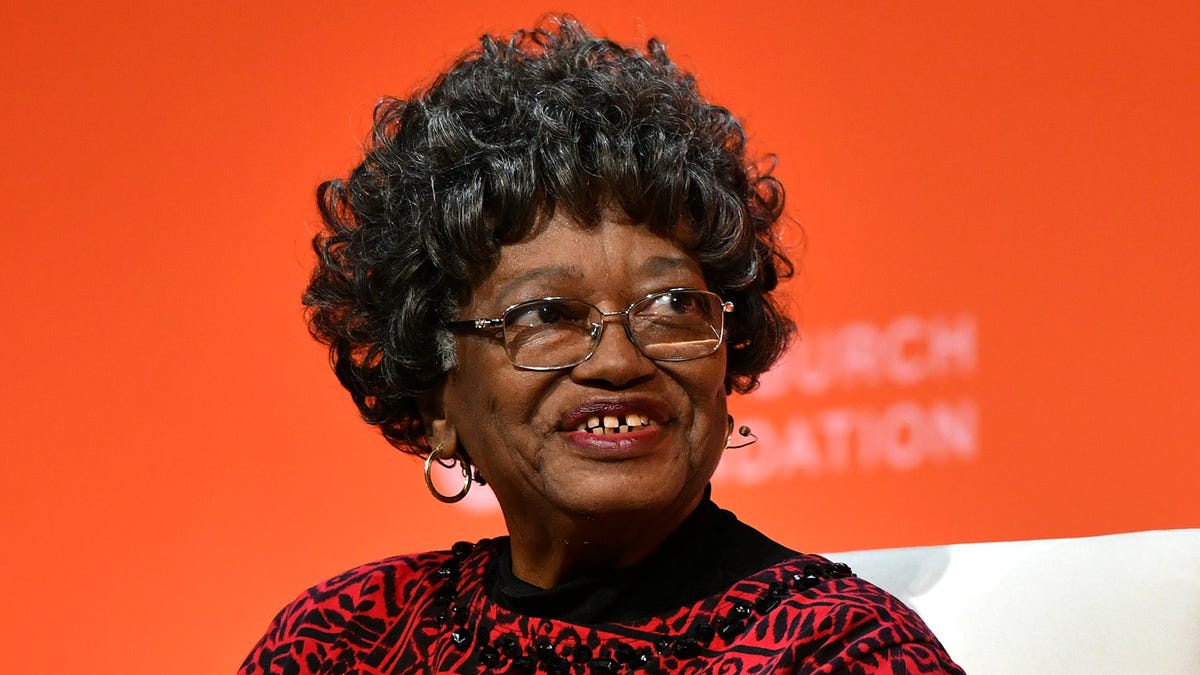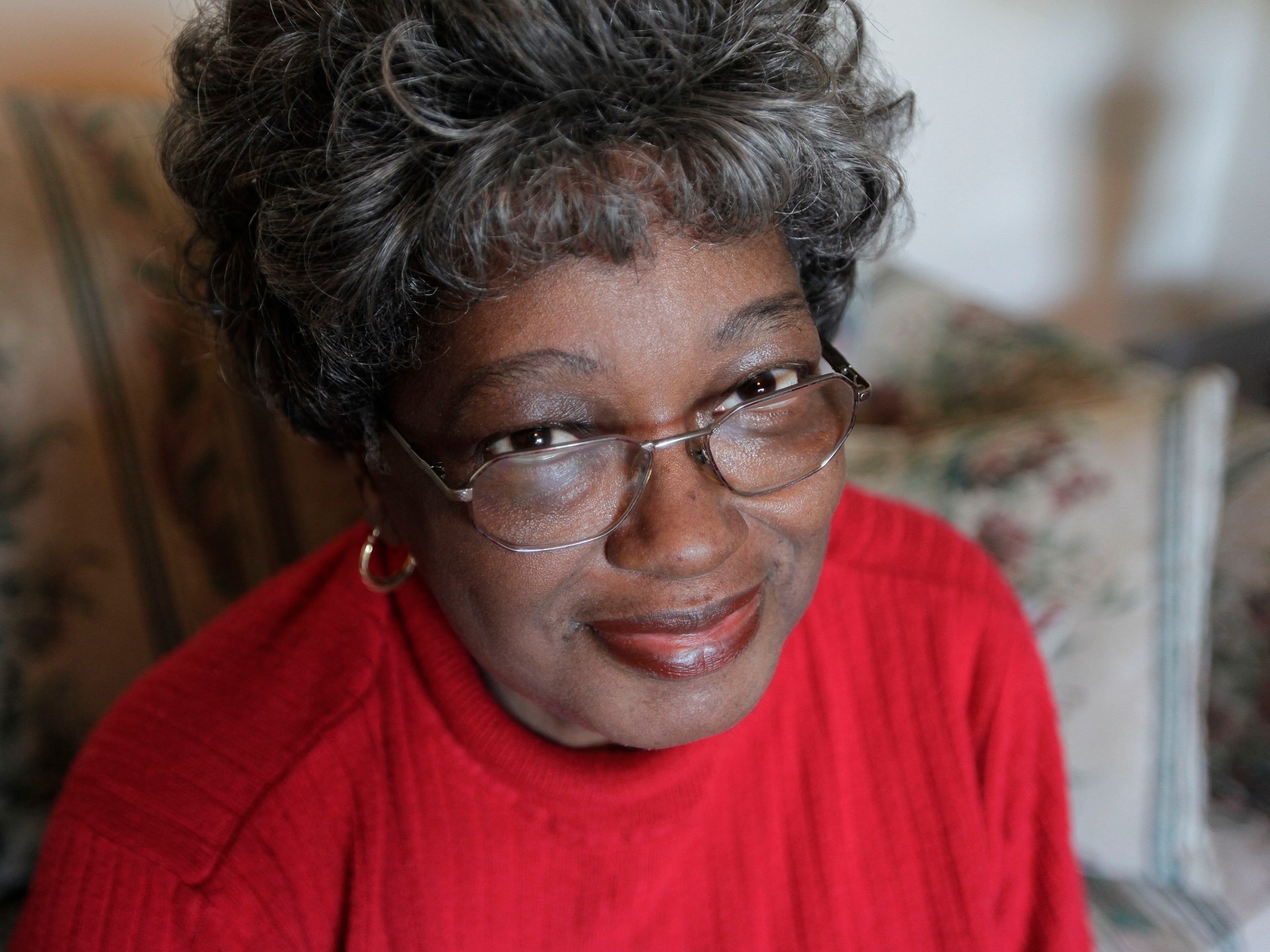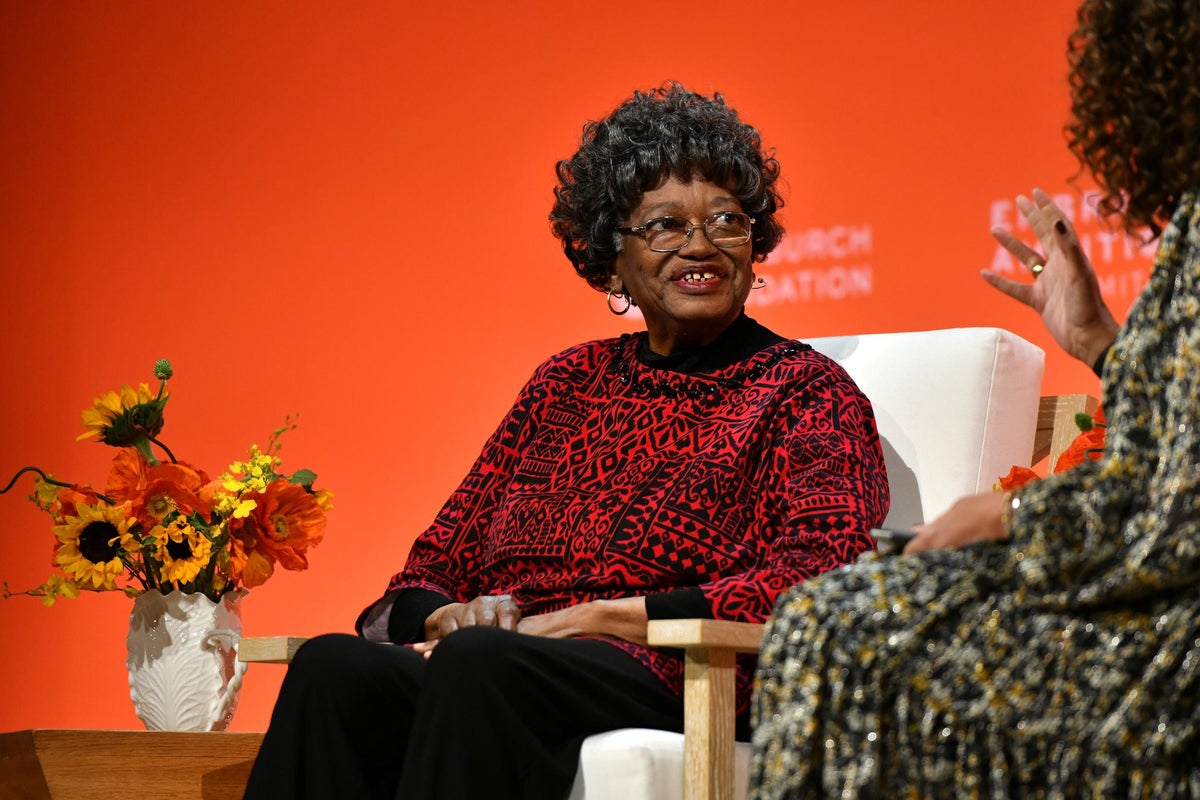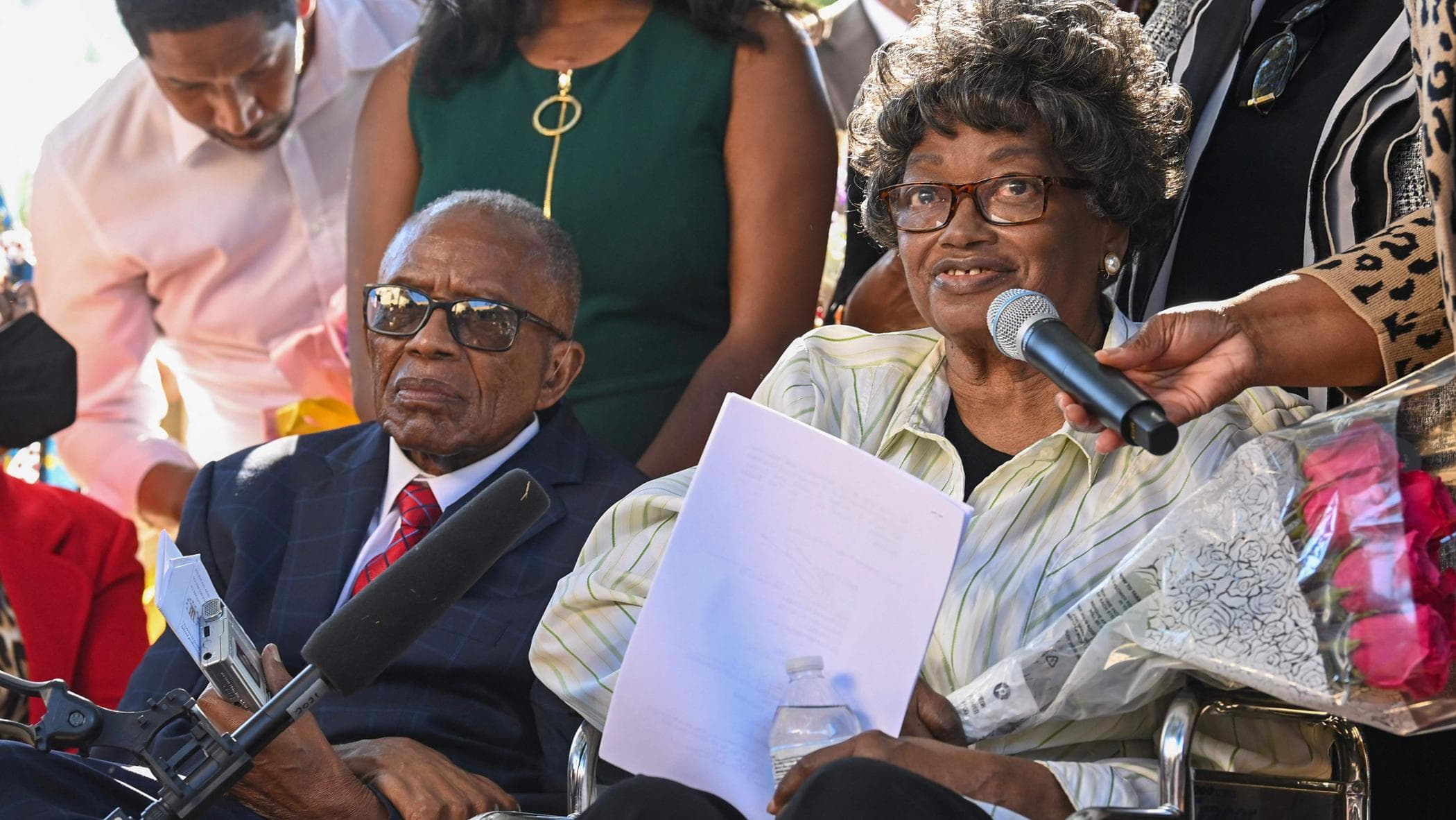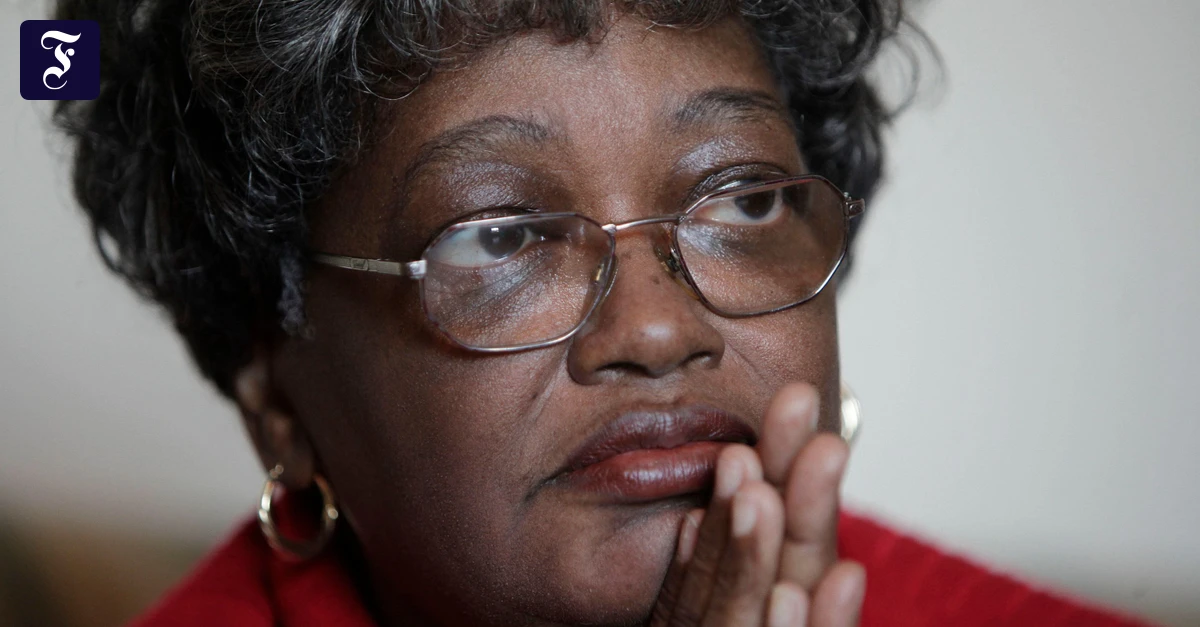
Colvin, who died this week, made a stand on an Alabama bus nine months before Rosa Parks. When we met, her message about the struggle was clear
“I
n life, there’s the beginning and the end,” John Carlos, the African American sprinter who raised his fist in a black power salute from the podium of the 1968 Olympics, once told me. “The beginning don’t matter. The end don’t matter. All that matters is what you do in between – whether you’re prepared to do what it takes to make change. There has to be physical and material sacrifice. When all the dust settles and we’re getting ready to play down for the ninth inning, the greatest reward is to know that you did your job when you were here on the planet.”
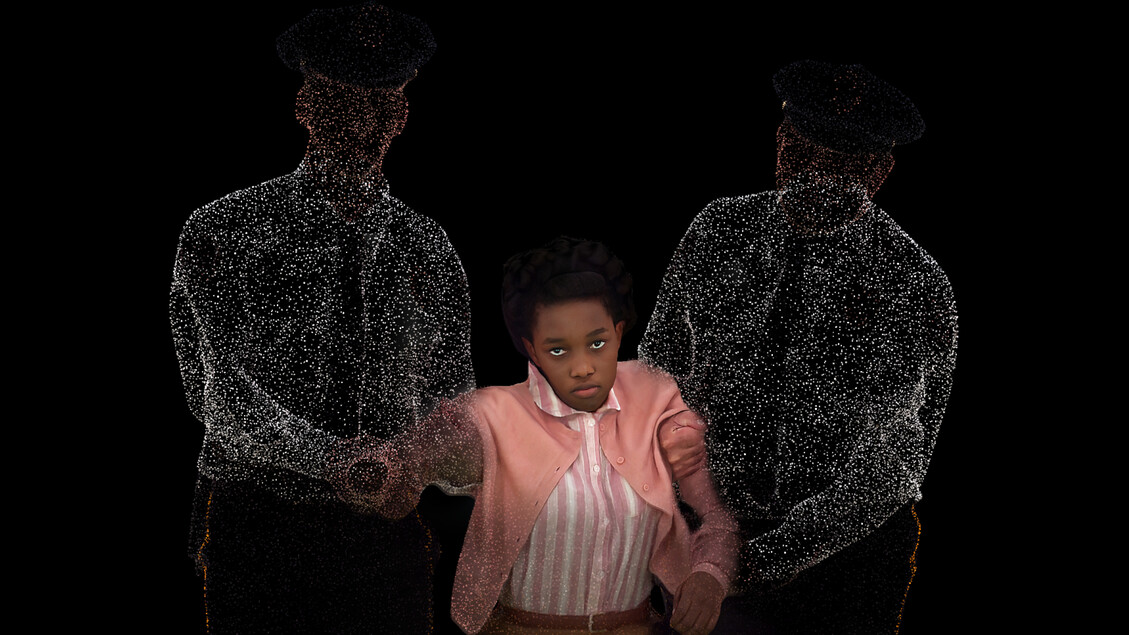
Claudette Colvin, who died earlier this week in a hospice in Texas, did her job while she was here on the planet, although it was several decades before her physical and material sacrifice was acknowledged. On 2 March 1955 in Montgomery, Alabama, aged just 15, Colvin took a stand and refused to give up her bus seat to a white woman.
The driver called the police, who kicked her a few times and then, when she still stayed put, took her to City Hall and charged her. Fred Gray, her lawyer, thought she would make a strong test case to end segregation in the city. But levels of hierarchy in the deep south did not stop at black and white. The church-led, male-dominated leadership considered Colvin a liability – not only was she young, rebellious and outspoken, she was dark-skinned in a world where shade mattered, and poor. “The black leadership in Montgomery at the time thought that we should wait,” said Gray.