Germany has returned two small fragments of the Bayeux Tapestry stolen by a German scientist during the Nazi occupation of France in 1941.
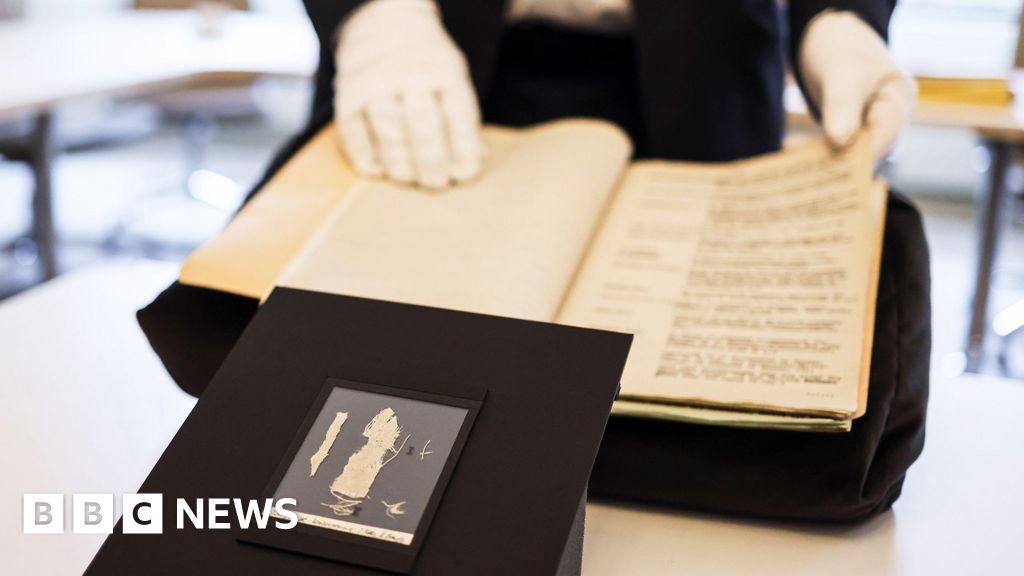
The pieces of unembroidered fabric were discovered by historians in state archives in Schleswig-Holstein in northern Germany as they sifted through the collection of German textile specialist Karl Schlabow.
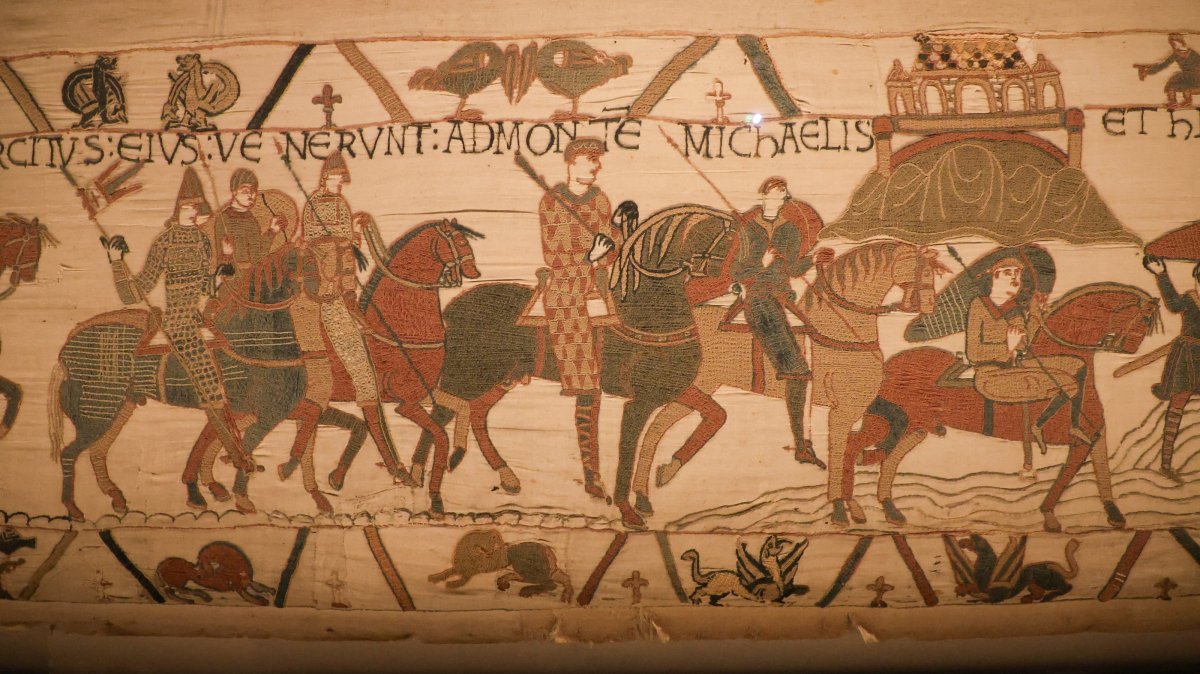
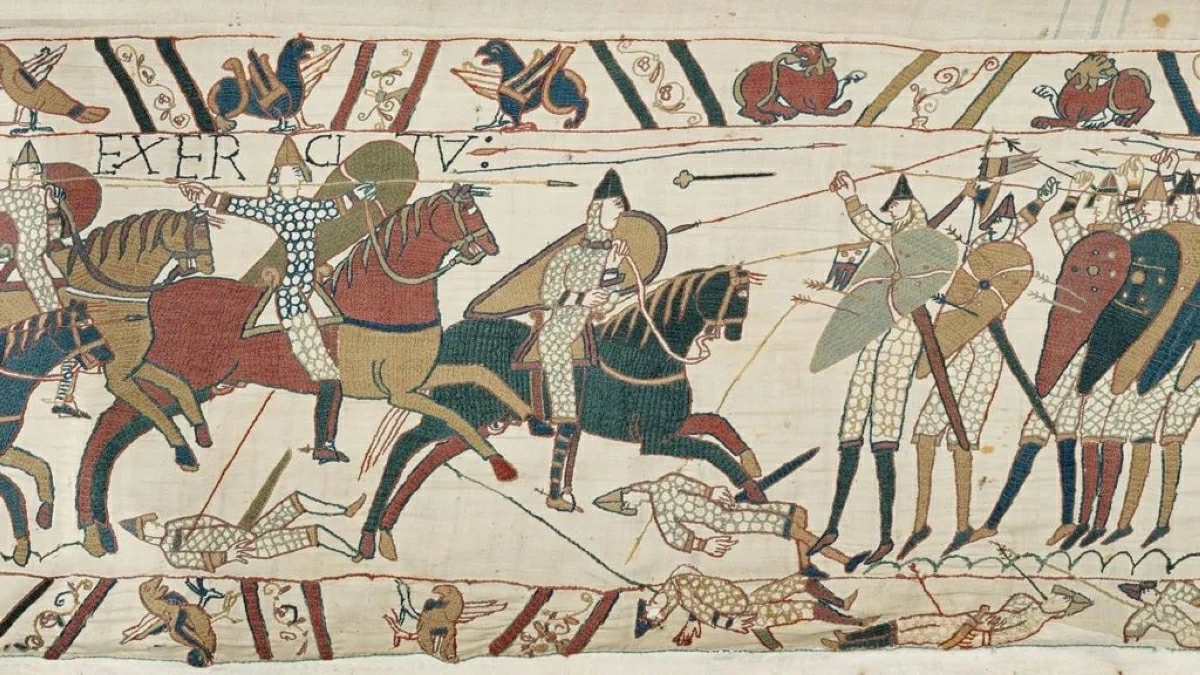
The fragments were later identified as part of the Bayeux Tapestry - a 70m-long (230ft) embroidery that tells the story of the Norman conquest of England in 1066.
The head of the archive, Rainer Hering, presented the mayor of Bayeux with the pieces of linen on Thursday, saying it was "obvious" they had to be returned to France.
Schlabow, who died in 1984, is assumed to have stolen the fragments, each only a few centimetres long, when he was sent to Bayeux as part of a research team to study Germany's "ancestral heritage" - a racist and antisemitic project run by Adolf Hitler's Nazi SS.