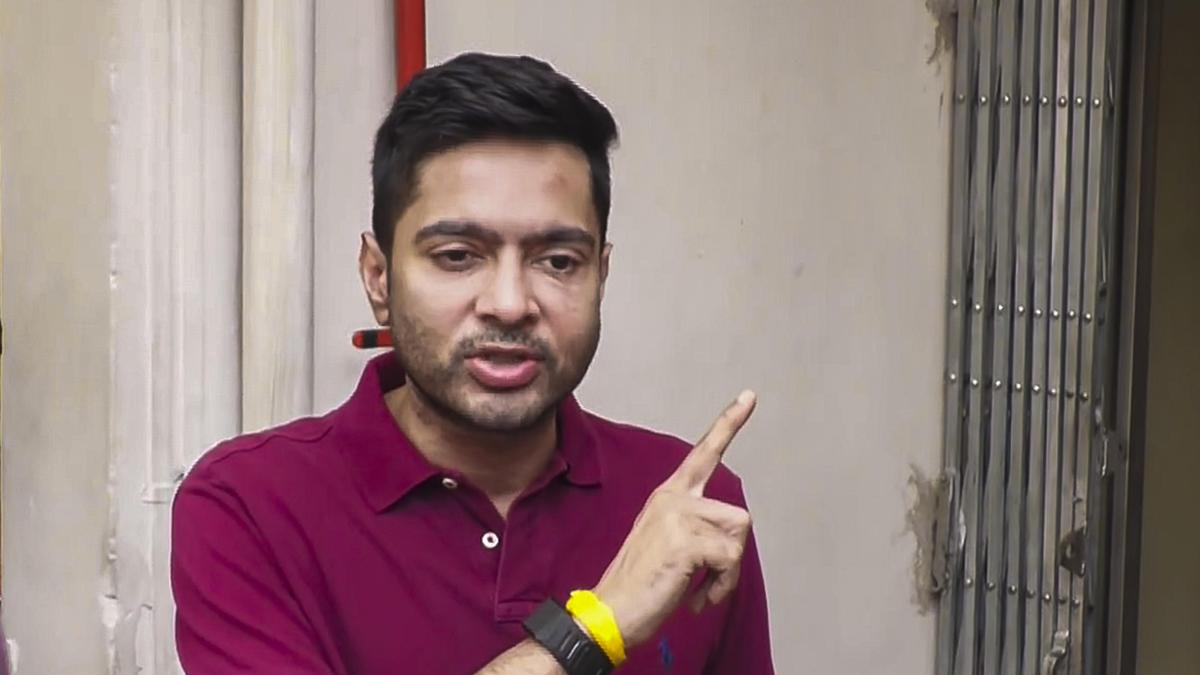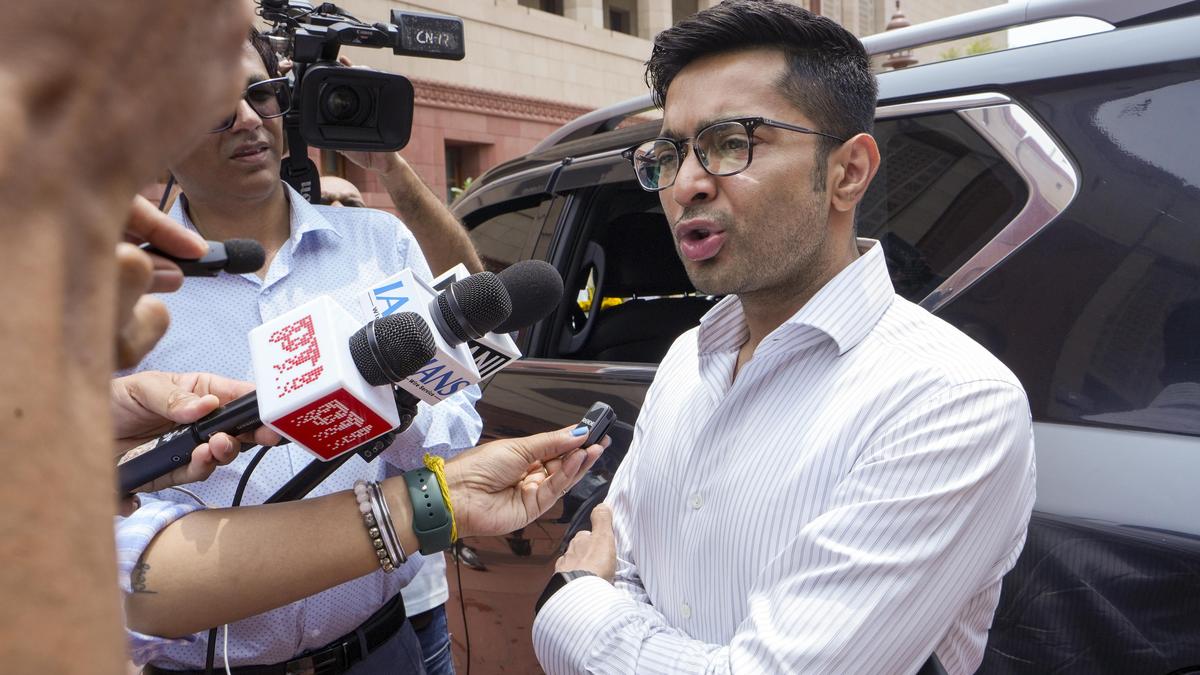
The Supreme Court on Friday (January 16, 2026) stayed a Calcutta High Court order disqualifying politician Mukul Roy from the West Bengal Legislative Assembly for defecting to the Trinamool Congress on the basis of a video clipping of a press conference allegedly showing him with leaders of the ruling party in the State.
“In this AI [artificial intelligence] era, anybody’s face can be used in a video,” Chief Justice of India Surya Kant observed, brushing aside objections raised by senior advocate Gaurab Agarwal, appearing for West Bengal Opposition leader Suvendu Adhikari.
The court prima facie agreed with the submissions of advocate Preetika Dwivedi, appearing in the petition filed by Subhranshu Roy on behalf of his father, that the rigours of Section 65B of the Indian Evidence Act, which provides the legal framework for authentication of electronic evidence, were not complied with.
“Imagine, the High Court used the principle of ‘preponderance of probability’ (something is more likely to be true than false) to decide a defection case,” Chief Justice Kant noted.
Ms. Dwivedi argued that in cases involving allegations of defection, the burden of proof was as stringent as in a criminal trial, leaving no room for doubt regarding the guilt of the person accused of defection.