Judy Stokes, a retired GP, shares her experience as a spatial-sequence synaesthete
Read more stories of synaesthesia in the way I feel series
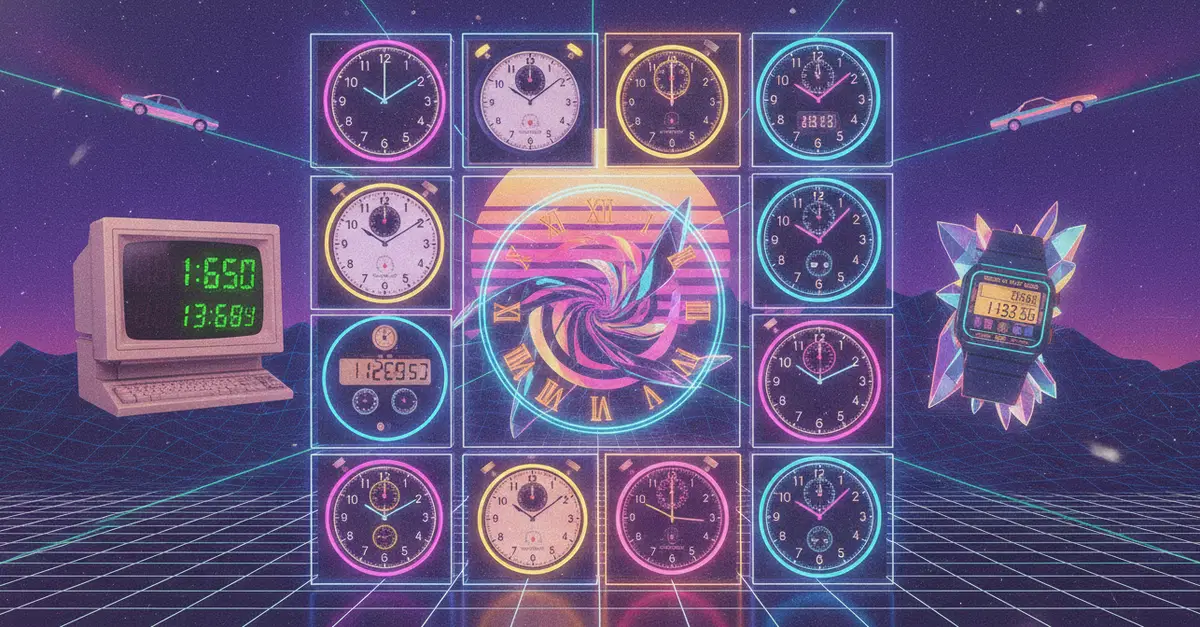
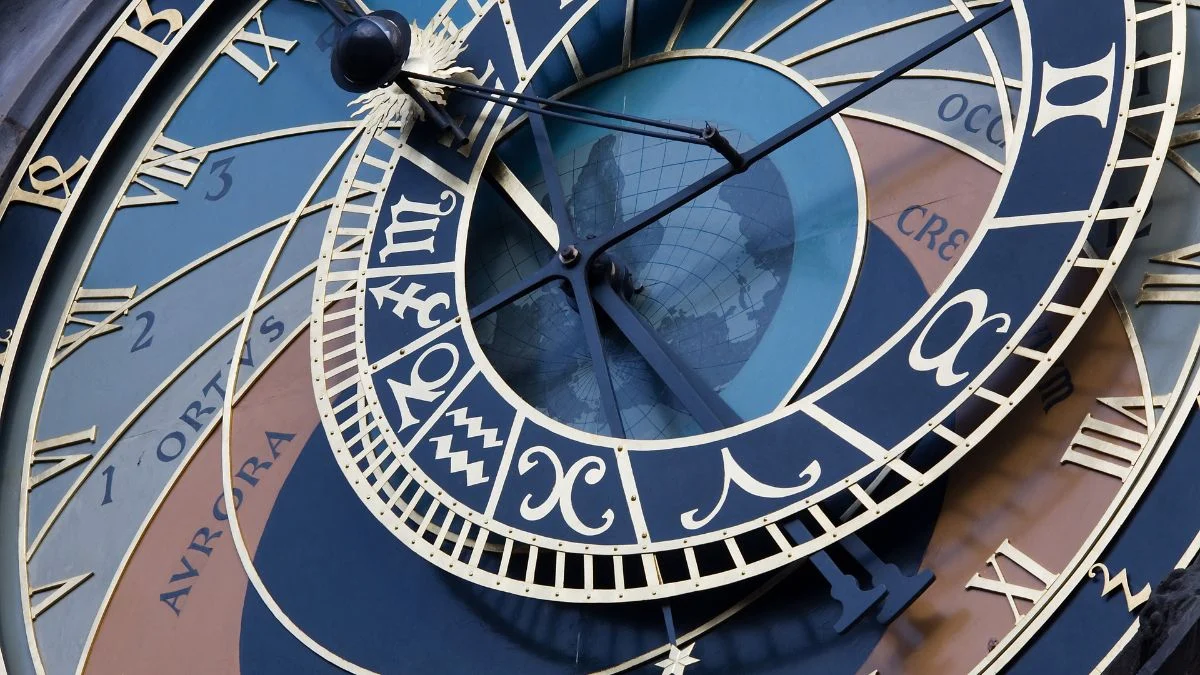
id someone with spatial-sequence synaesthesia design the calendar app on mobile phones? Because that’s how time and dates look in my brain. If you say a date to me, that day appears in a grid diagram in my head, and it shows if that box is already imprinted with a holiday, event or someone’s birthday. Public holidays and special events like Christmas and Easter are already imprinted for the year, and the diagram goes backwards to about 100,000BC and then forwards all the way to about the year 2500 before tapering off.
It was only in my 60s that I discovered there was a name for this phenomenon – not just the way time appears in this 3D sort of calendar pattern, but the colours seen when I think of certain words. Two decades previously, I’d mentioned to a friend that Tuesdays were yellow and she’d looked at me in the same strange, befuddled way that family members always had when told about the calendar in my head. Out of embarrassment, it was never discussed further. I was clearly very odd.
The funny thing is I’d been working as a GP for more than 30 years before discovering there was a word for the way my brain worked. One day, while doing some research into managing anxiety for my paediatric patients, I stumbled across some research from Macquarie University in Sydney about grapheme-colour synaesthesia. Other people were similarly affected, apparently. Then I learned about another common form of the phenomenon, called spatial-sequence synaesthesia, which fitted with my experiences of not only seeing time in a 3D pattern but numbers and letters too. Perhaps I was not so odd after all.