The word “weird” didn’t always mean strange. In Old English, descended from a mix of Germanic and Norse concepts, it meant something closer to “destiny” or “becoming” or even “fate.” Once upon a time, human beings in that culture thought that the way someone’s life would turn out was unseverable from the fundamental weirdness of being alive.
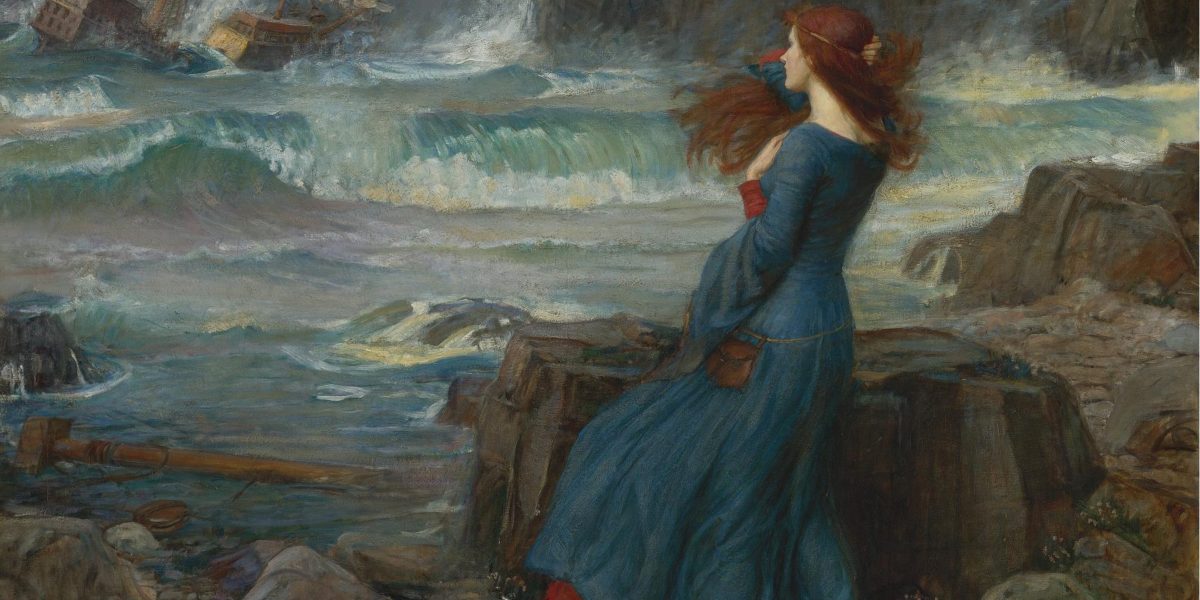
William Shakespeare’s MacBeth is known for its three witches, who popularized the “double, double, toil and trouble” line, often misquoted from its appearance in a Disney cartoon as “bubble, bubble.” But what’s often forgotten is that Shakespeare named these characters the “Weird Sisters,” connecting them to another mythological group of three old crones: the Norns from Scandinavian mythology, who together weaved a web of destiny called (what else?) the “wyrd,” containing every human’s life story. (J.K. Rowling later named a popular band in her Harry Potter universe “The Weird Sisters,” but that was an all-male lineup.)
The weirdest thing of all in economics, says Brandeis University Economics Professor Benjamin Shiller, is that weirdness is closely tied to fate in the age of artificial intelligence (AI). The weirder you are, he tells Fortune, the better off you’ll be.