In this article
A version of this article first appeared in CNBC’s Inside Wealth newsletter with Robert Frank, a weekly guide to the high-net-worth investor and consumer. Sign up to receive future editions, straight to your inbox.
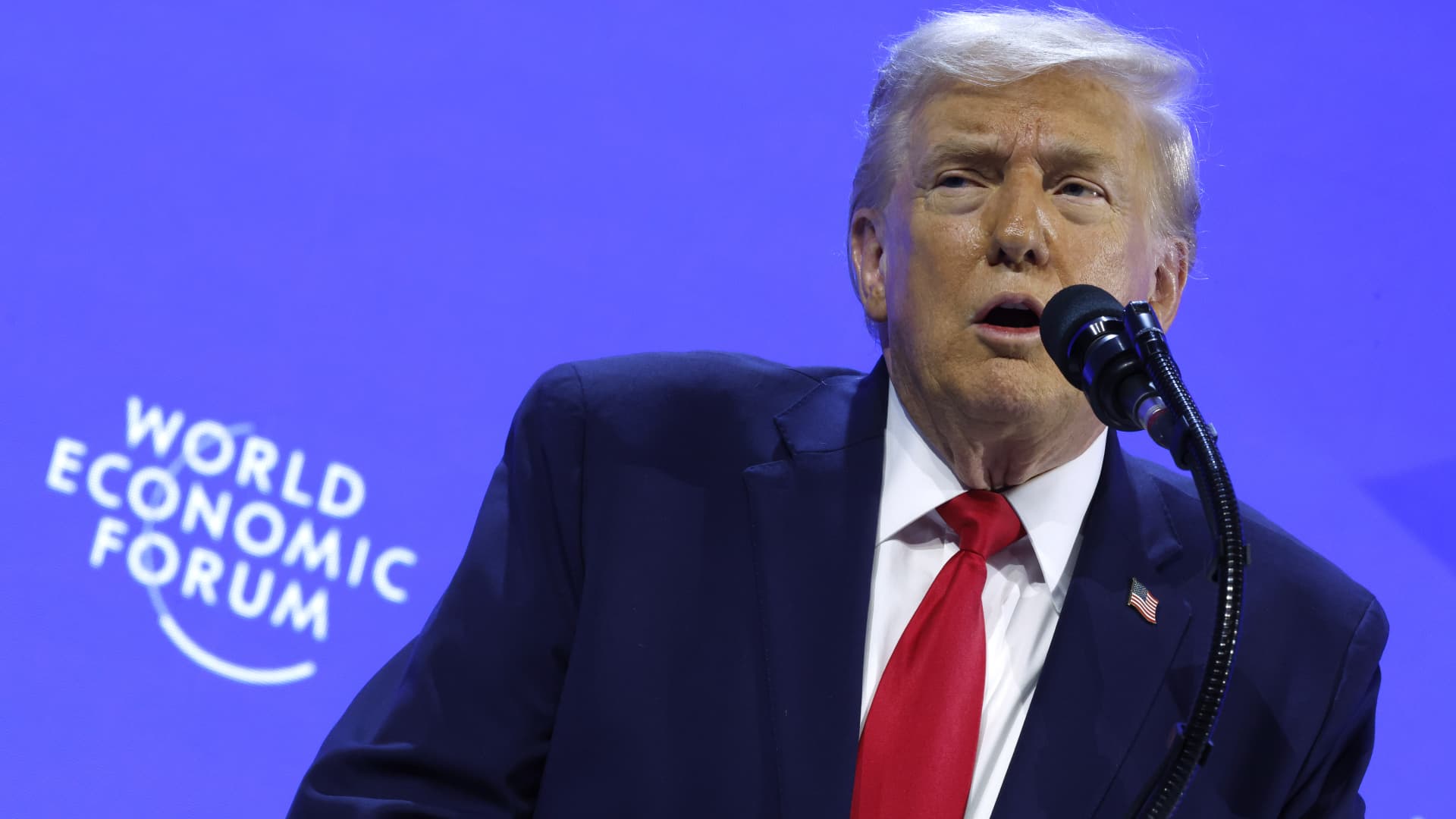
Private investment firms of ultra-rich families could inadvertently get caught in the crosshairs of President Donald Trump’s proposed ban on “large institutional investors” buying more single-family homes. While Trump’s announcement took aim at Wall Street landlords, and particularly private equity giants like Blackstone, Haynes Boone partner Vicki Odette told Inside Wealth that family offices aren’t necessarily out of the woods.
Three-quarters of family offices in North America invest in real estate, with an average allocation of 18%, according to a survey issued by Campden Wealth and RBC Wealth Management last year. Residential properties made up just under a third of the average family office’s real estate holdings, per the same report.
The consequences of Trump’s proposal hinge on how it would define a large institutional investor, which has yet to be revealed. According to Odette, in recent years, Congress and government agencies have focused on the number of homes owned rather than the investor’s total assets or investment strategy.