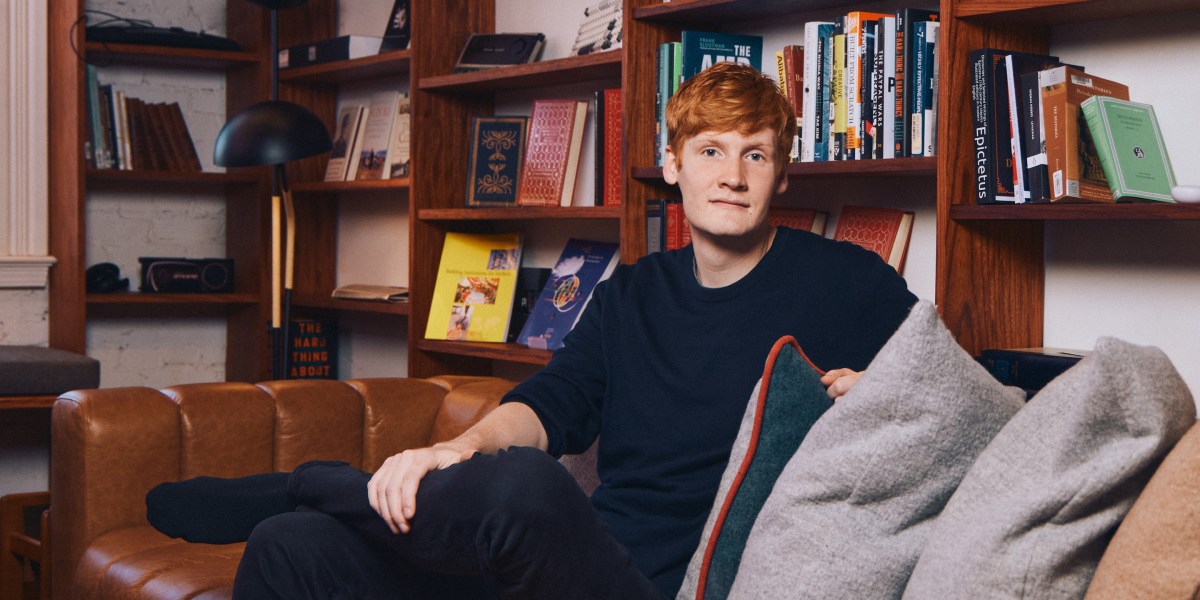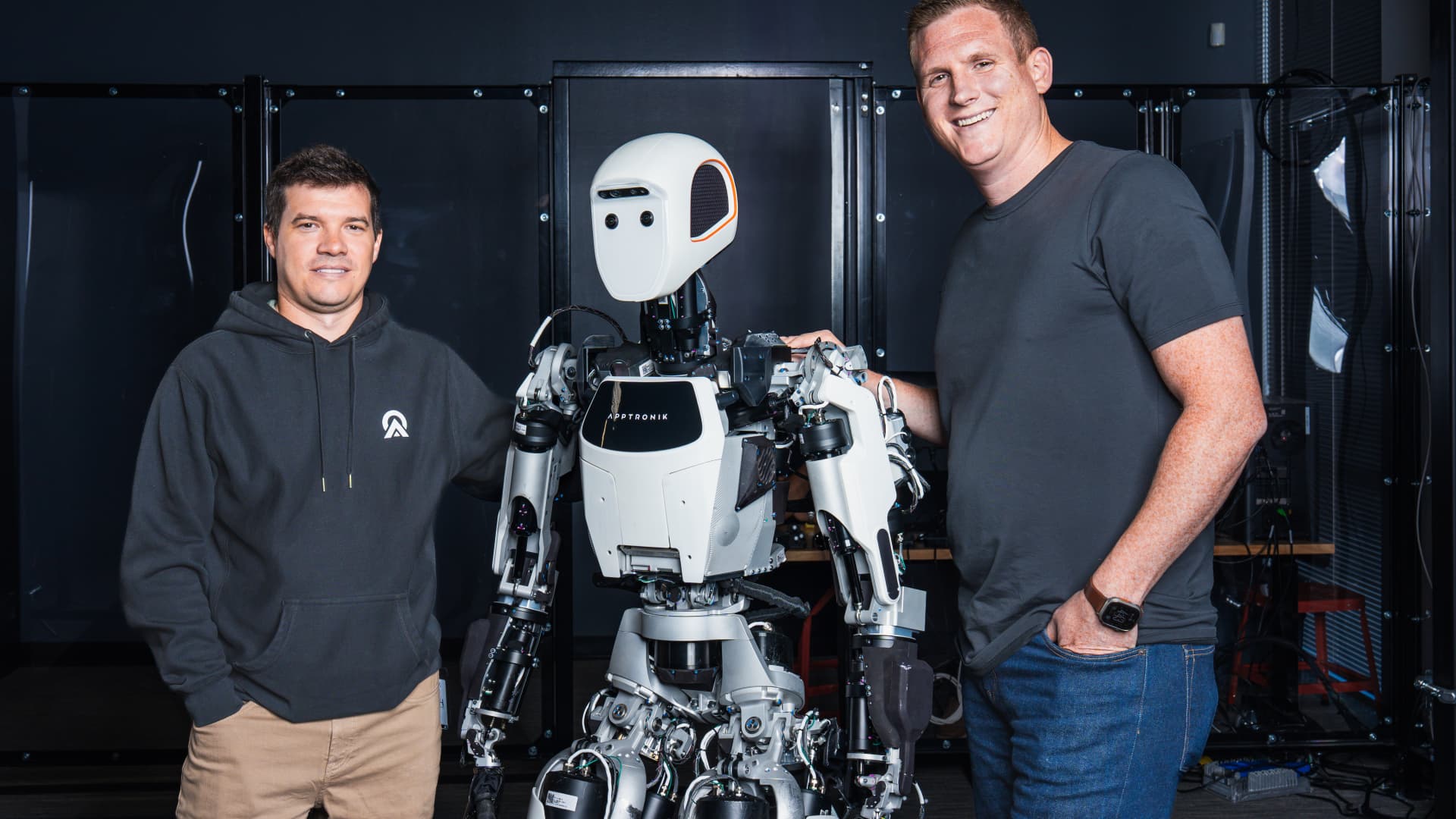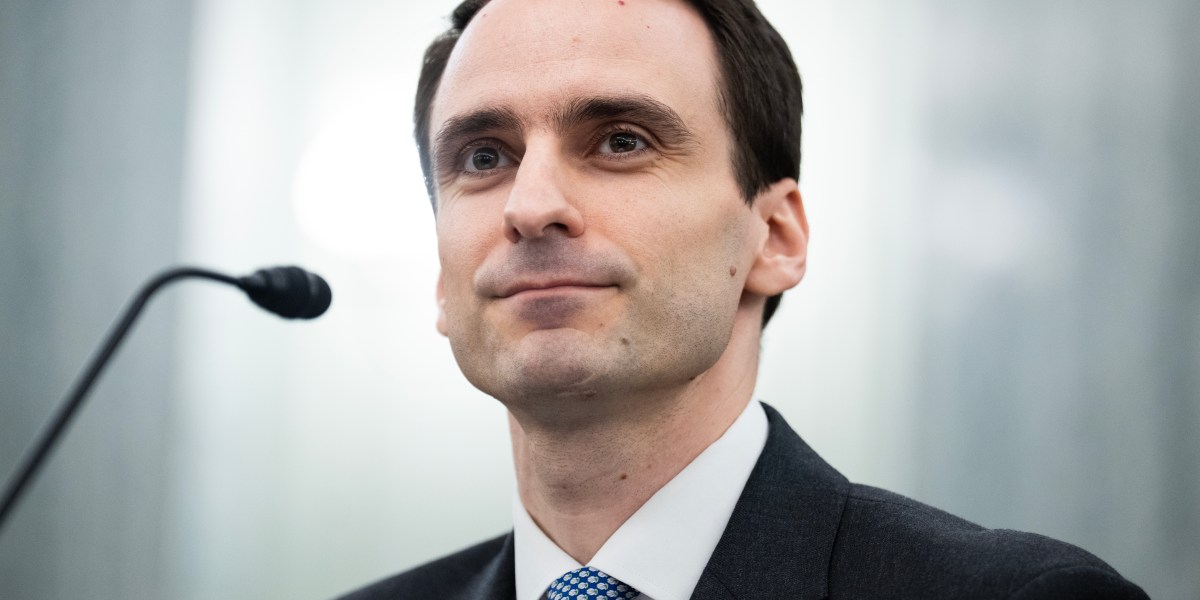
Chris Walti once led engineering for Tesla’s humanoid Optimus. And don’t get him wrong, he’s as serious a robotics believer as there is.
But Walti also thinks investors’ cloud-nine expectations around AI and robots are miscalibrated. AI can do a lot, he says, but it can’t compensate for immature hardware and missing data.
“I do think there’s just fervor around ‘Oh, you can sprinkle AI on top of any robot and magic will ensue,’” Walti said. “Then the value will compound at the rate we’ve seen with some of these other AI companies in say, voice or text. And I don’t think that’s the case. At a high level, where some of the hype and capital is going in robotics is perhaps a little misguided… I think there’s going to be some reality checks happening in the industry over the next year.”
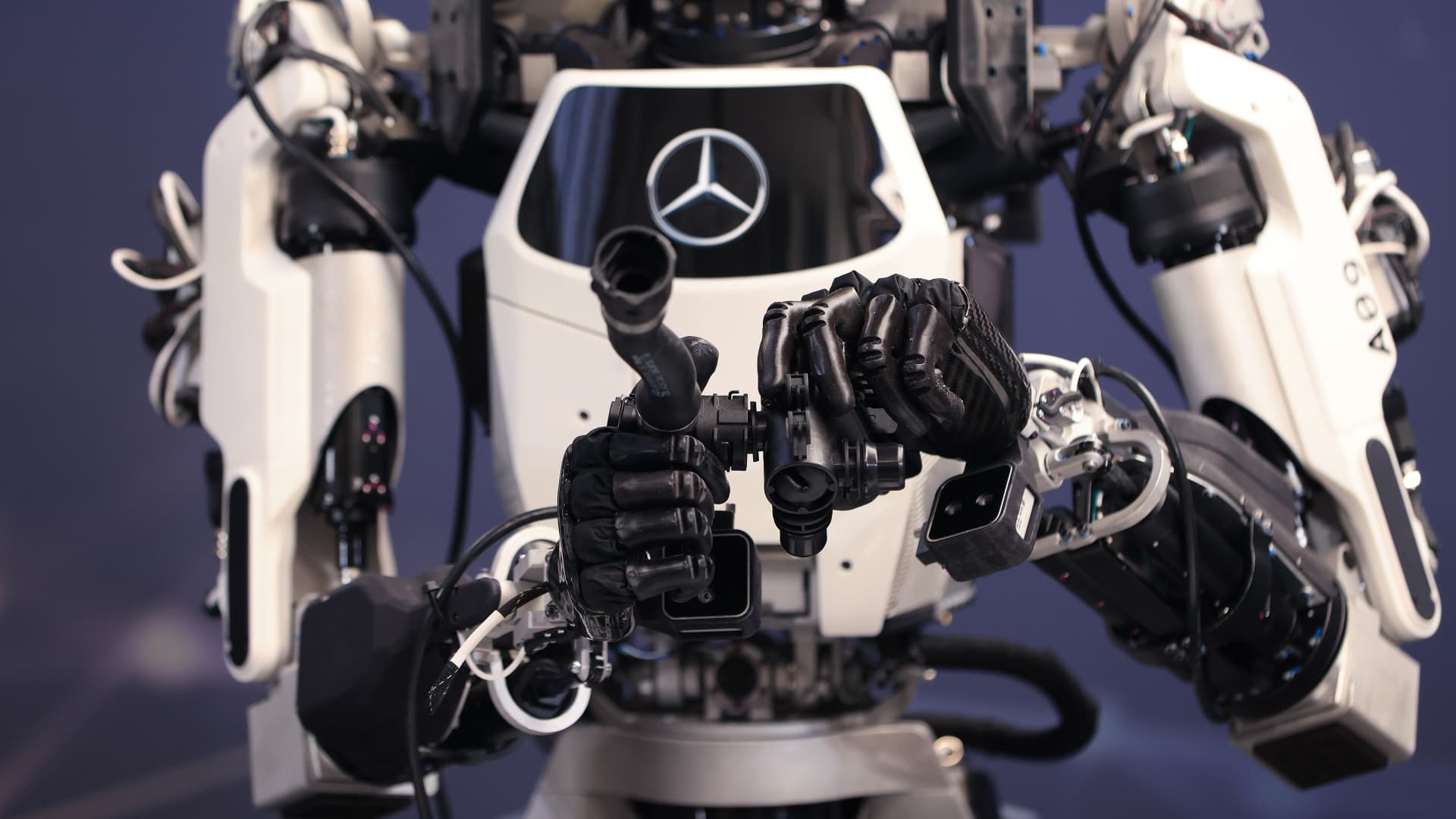
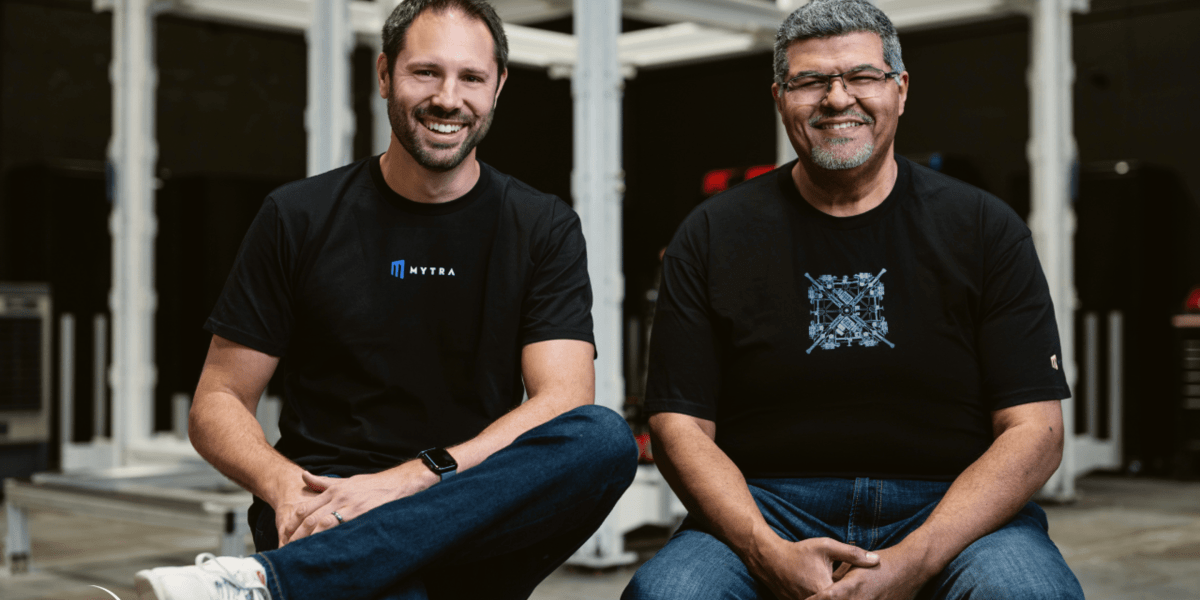
In Walti’s view, the winners of the robotics reality check will be the ones that address very specific “painkiller problems”—the kind of problems that cause companies acute and costly agony every day. Mytra, the company Walti cofounded in 2022 with CTO Ahmad Baitalmal, is focused on standardizing and scaling how heavy material moves across warehouses and factories, so industrial customers can reliably automate full buildings and networks. Unlike the sci-fi-like humanoids being created by some companies (including Tesla), Mytra’s product looks more like sleek but traditional warehouse robots.