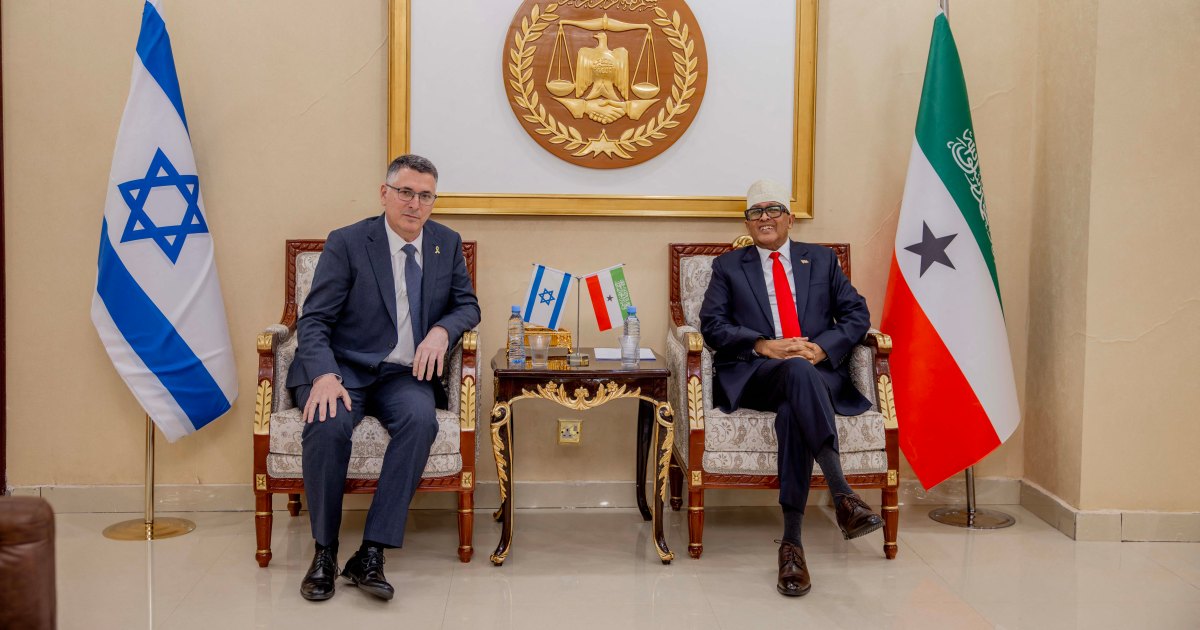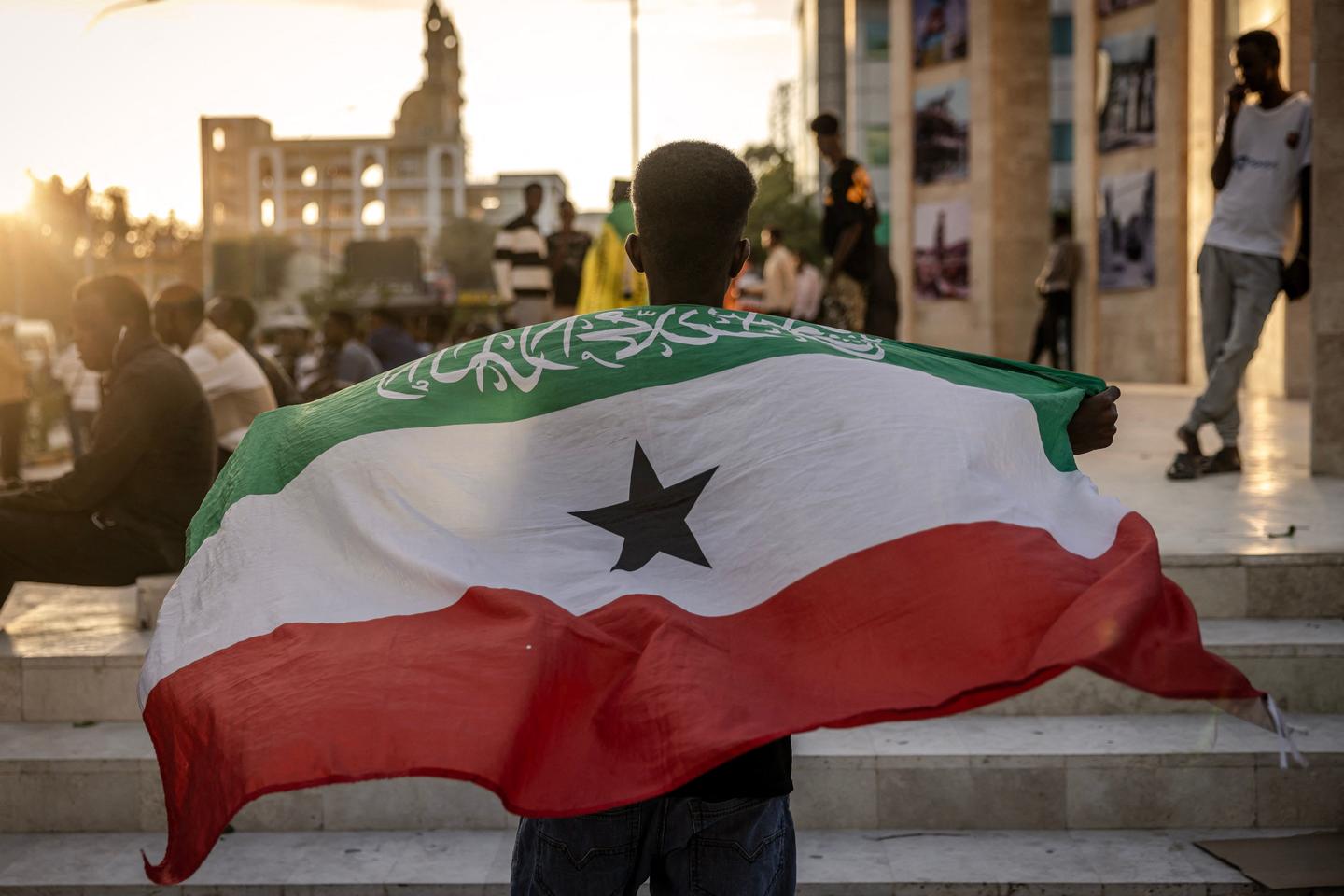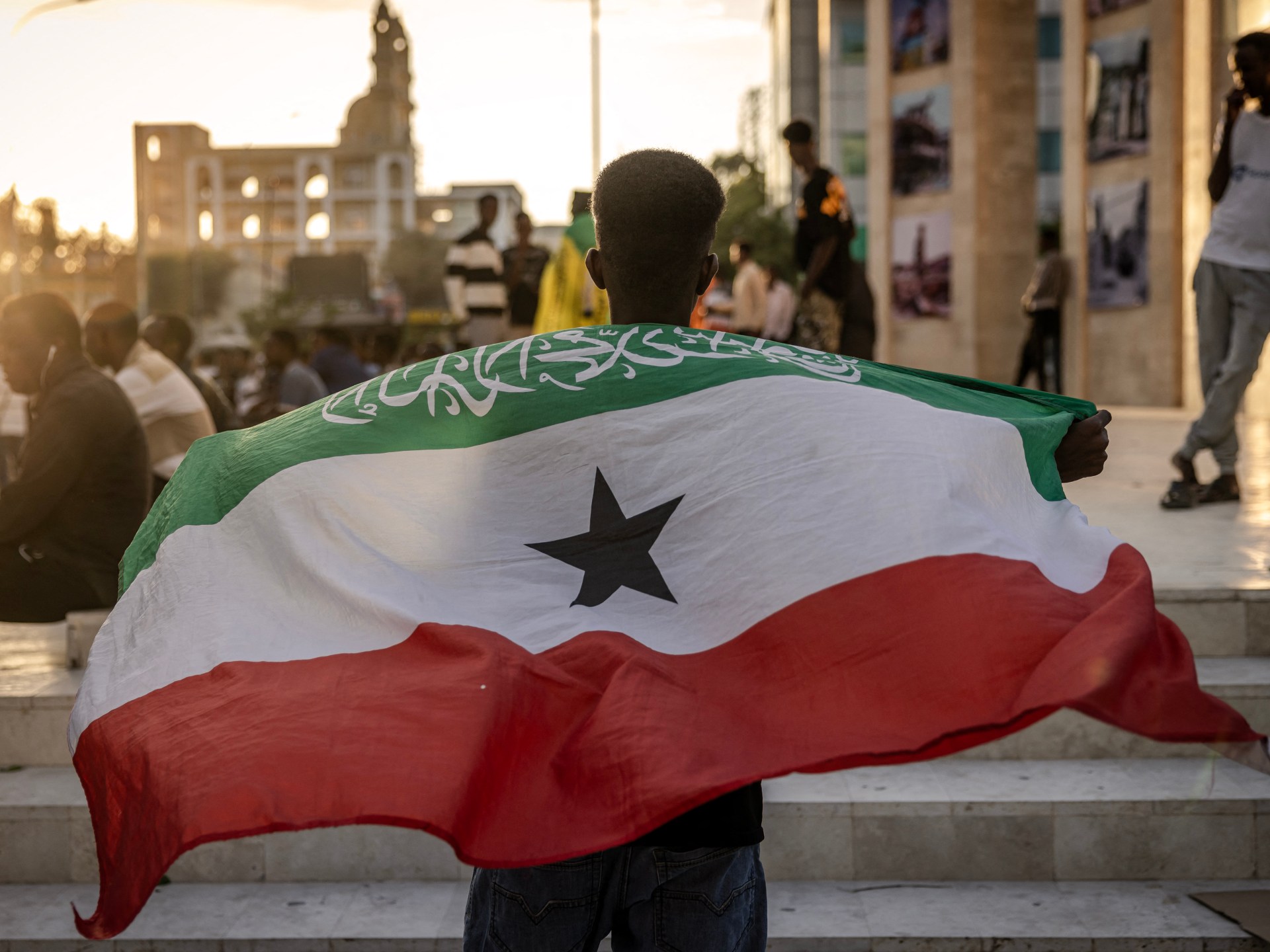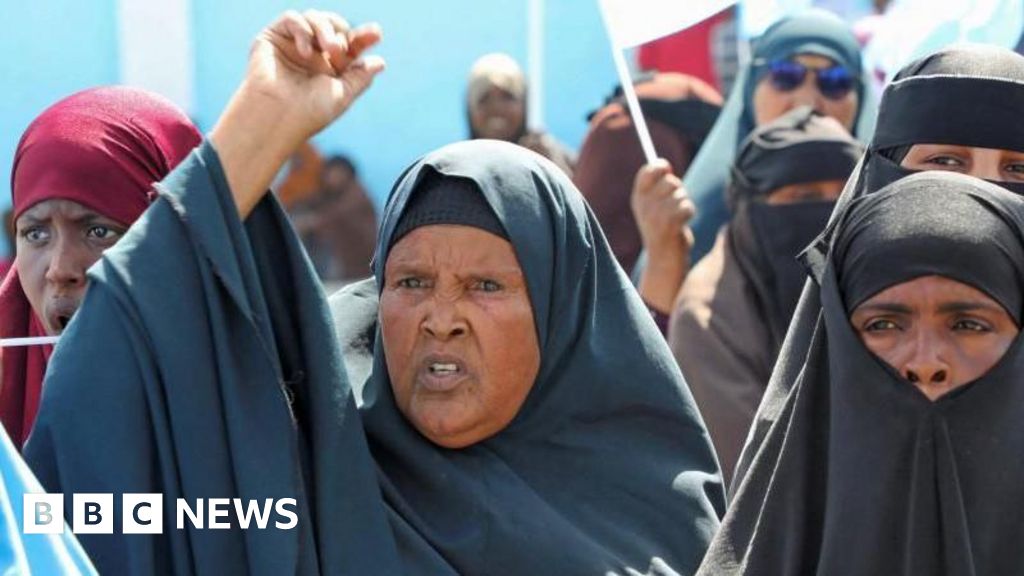
For weeks, Somalia has been engaged in intense diplomatic efforts to rally international support after Israel recognised its breakaway region of Somaliland as an independent state.
Through diplomatic outreach and high-level phone calls, Somalia's government has won the backing of key countries across Africa and the Middle East, rallying them to oppose the recognition. But one relationship has sharply deteriorated - Somalia's long-standing partnership with the United Arab Emirates (UAE).
For years, the oil-rich Gulf state has been viewed as a significant player in Somalia's security, economy, and politics, as the country has a coastline of more than 3,000km (1,864 miles) along the Gulf of Aden and the Indian Ocean - a strategic maritime region hit by piracy and weapon-smuggling that has contributed to instability in both Africa and the Middle East.
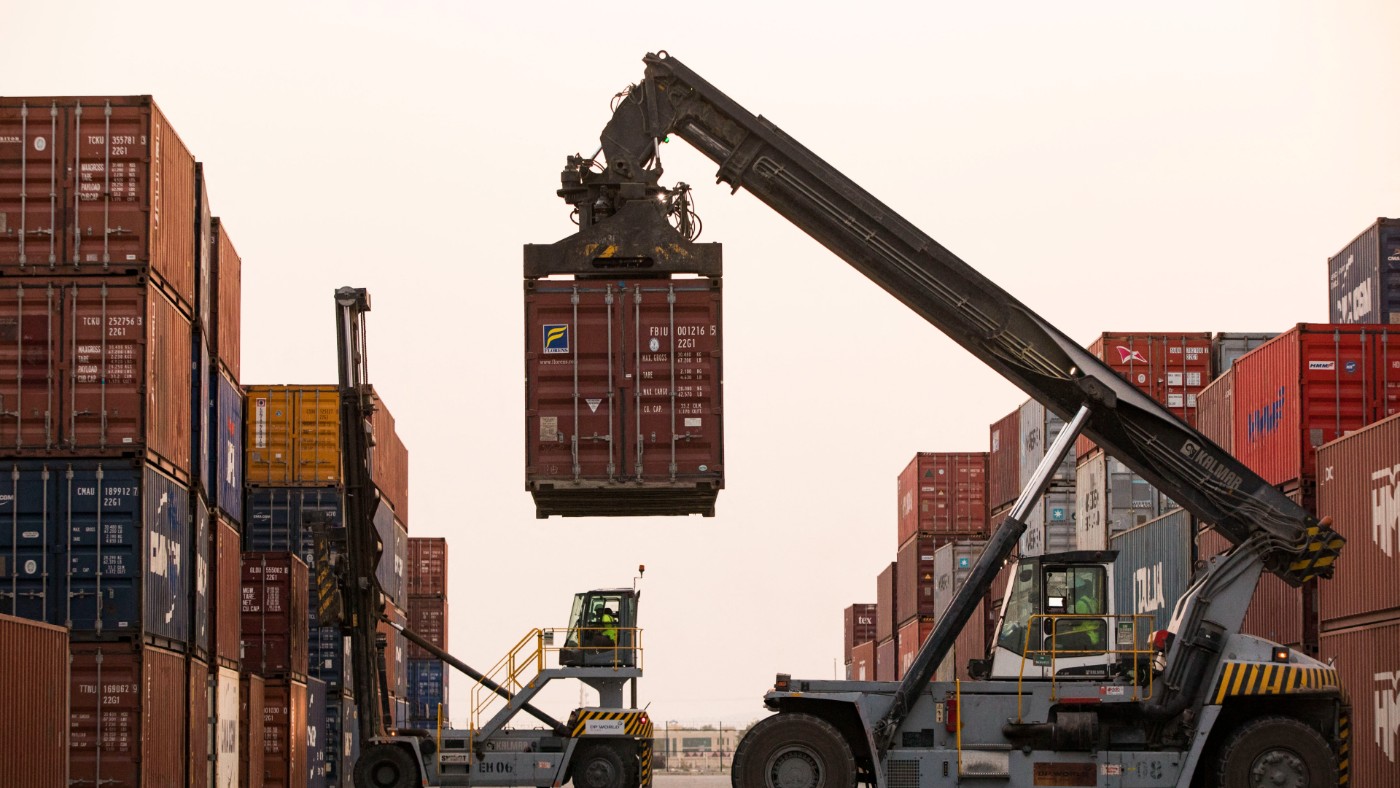
The UAE cultivated multi-layered relationships with both Somalia's federal government and its regions, and has been involved in port operations in Bosaso in Puntland and Kismayo in Jubaland, as well as Berbera in Somaliland.
But on Monday, Somalia's federal government announced the cancellation of all port management and security cooperation agreements with the UAE, accusing it of undermining the country's sovereignty.