As I write my last regular column for the Guardian, my thoughts turn to the lessons and hope we can take from history
F
rom Greenland’s icy mountains, from India’s coral strand, as the old hymn has it, we seem to inhabit a world that is more seriously troubled in more places than many can ever remember. In the UK, national morale feels all but shot. Politics commands little faith. Ditto the media. The idea that, as a country, we still have enough in common to carry us through – the idea embedded in Britain’s once potent Churchillian myth – feels increasingly threadbare.
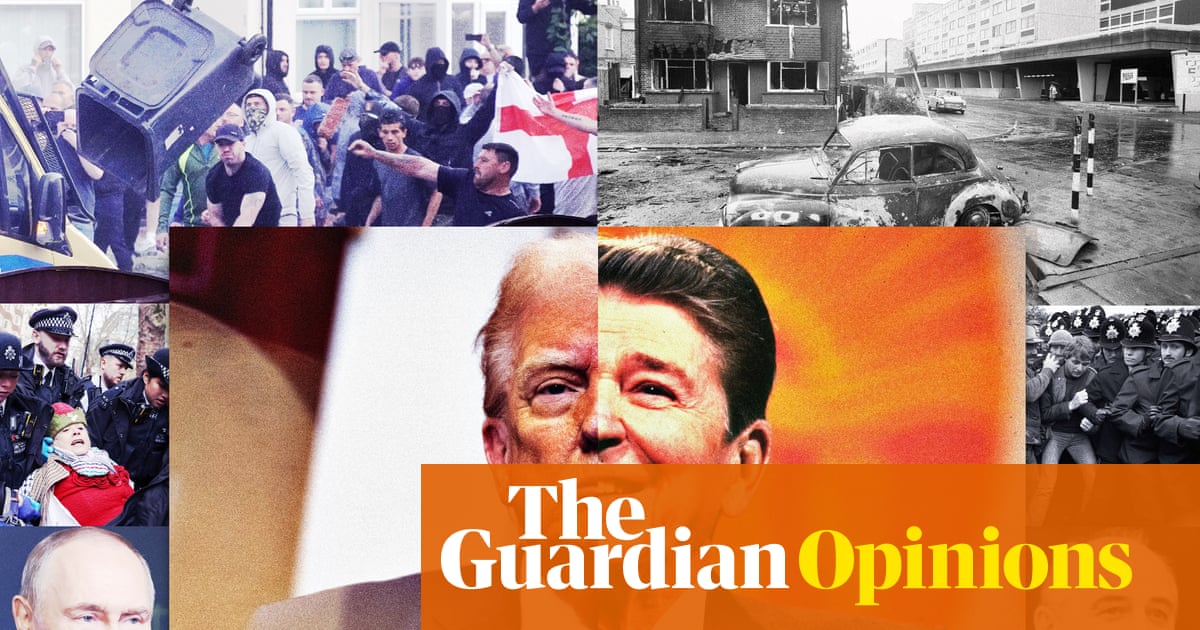
Welcome, in short, to the Britain of the mid-1980s. That Britain often felt like a broken nation in a broken world, very much as Britain often does in the mid-2020s. The breakages were of course very different. And on one important level, misery is the river of the world. But, for those who can still recall them, the 1980s moods of crisis and uncertainty have things in common with those of today.
But – and here’s the point that needs to be grasped – those moods did not endure. Not everything was broken. With effort and tough judgment, we managed to get out of that place; imperfectly, because life is always imperfect; sometimes at a cost, though sometimes with reward; but nevertheless in real and significant ways. So the question is whether we can do something of the same kind now. I know we must. I also think we can.