https://arab.news/pqusf
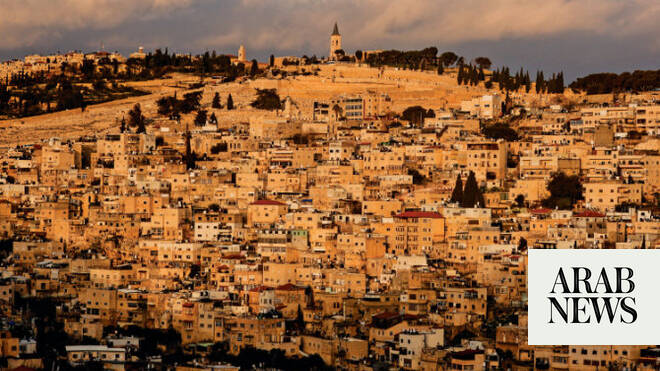
In the decades-long Palestinian struggle for self-determination, one issue towers above the rest: the fate of Arab East Jerusalem, with the Old City at its heart.
Israel swiftly annexed East Jerusalem following the 1967 occupation, declaring it the unified, eternal capital of the Jewish people. Yet annexation failed to resolve Israel’s core challenge: demographics. Palestinians formed the vast majority in the Old City and surrounding Arab neighborhoods, with their population within Jerusalem’s municipal borders growing from 68,000 in 1967 to about 330,000 by 2016. Today, roughly 350,000 Muslims and 11,241 Christians comprise East Jerusalem’s Palestinian population.
This Arab majority posed a crucial question for Israeli policymakers: How to alter the demographic balance in East Jerusalem? In the post-Oslo period, under Prime Ministers Ehud Barak and Ehud Olmert, Israel floated scenarios granting Palestinians limited sovereignty over parts of the city. Palestinians rejected these offers and no such proposals have resurfaced since.
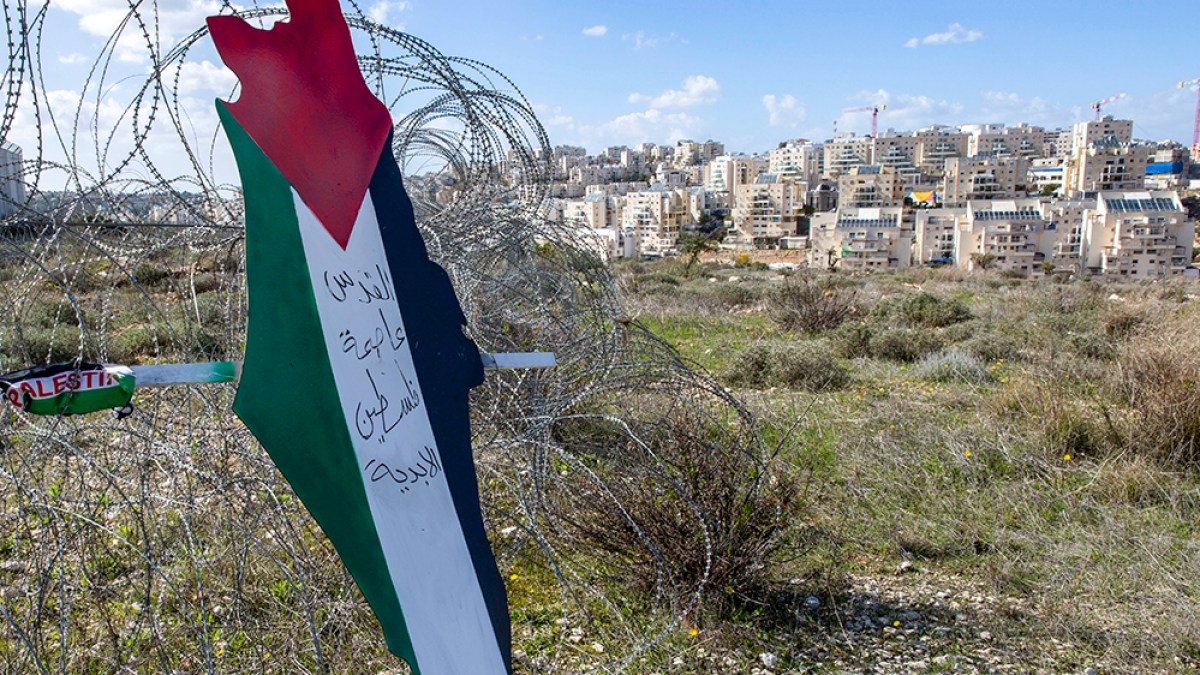
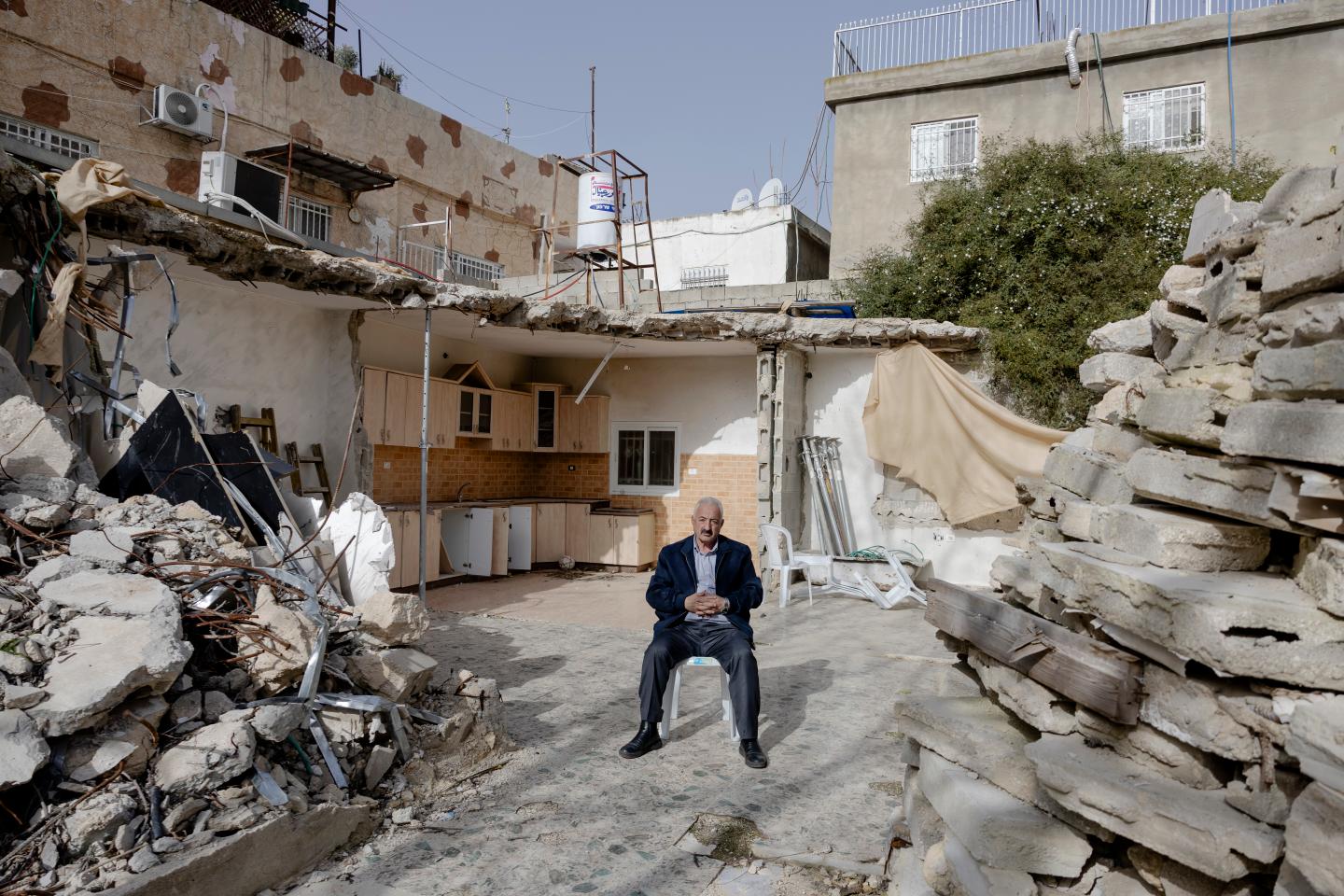
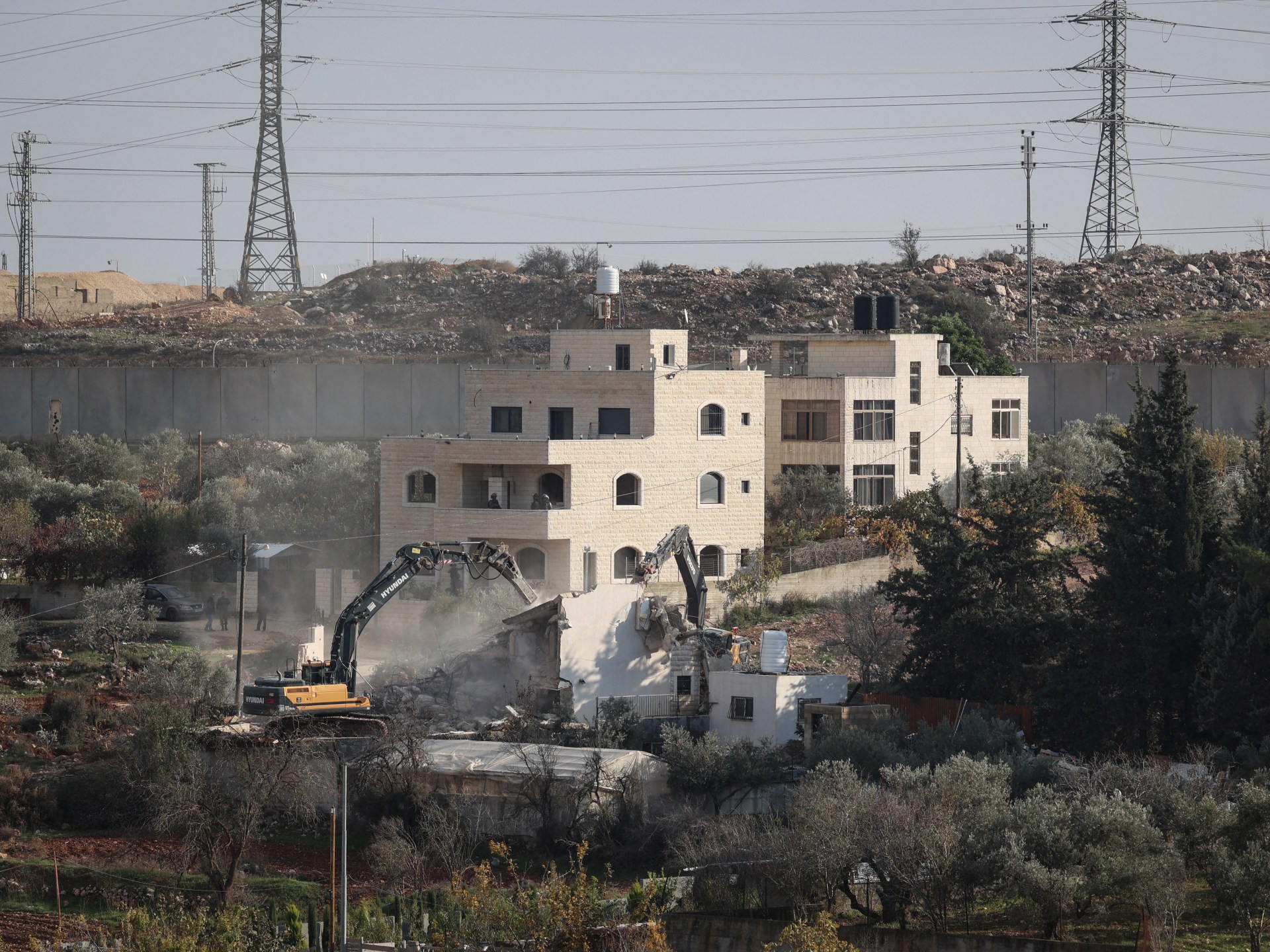
Israel’s current far-right government has abandoned compromise, intensifying earlier strategies. It severs territorial links between East Jerusalem and the West Bank through settlement expansion while deploying planning, legal and economic pressures aimed at forcing Palestinians out and establishing a Jewish majority.