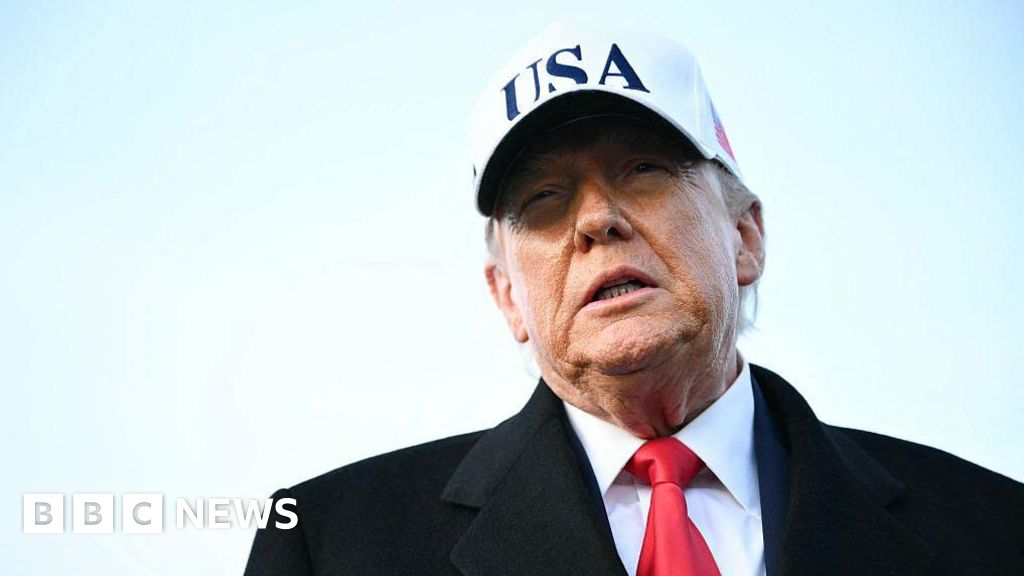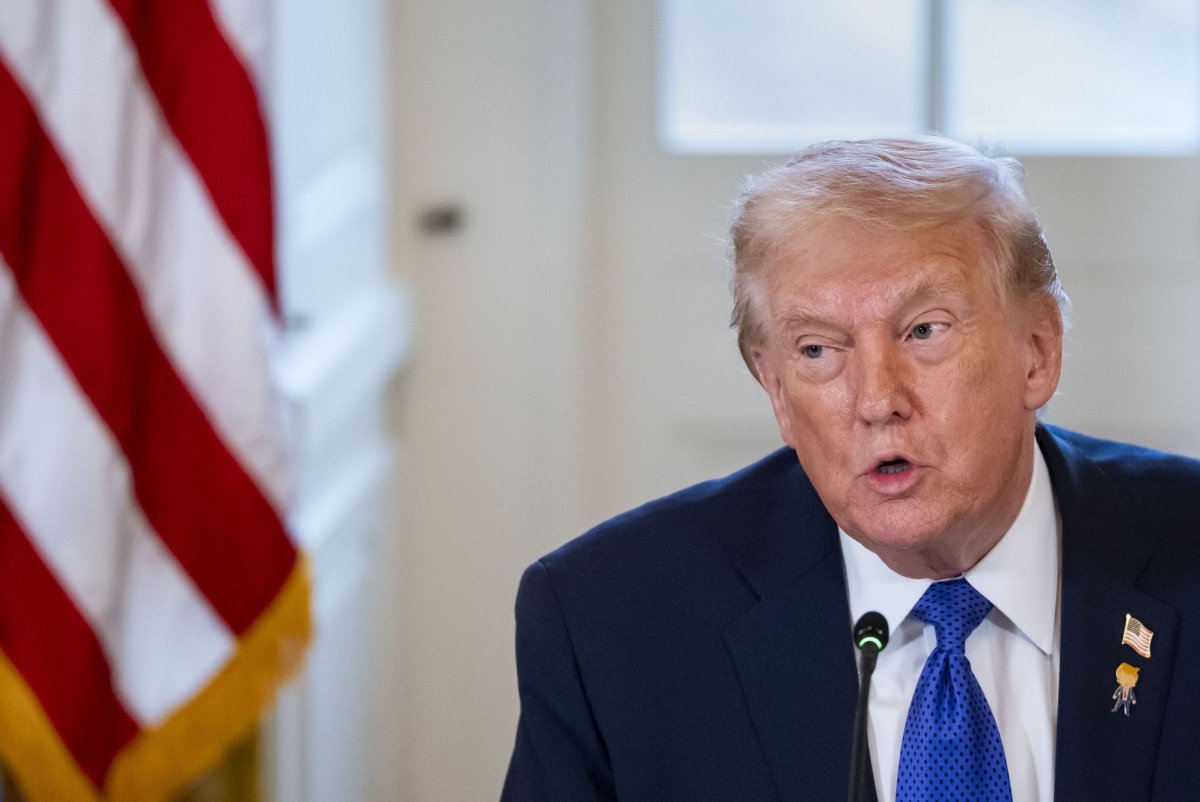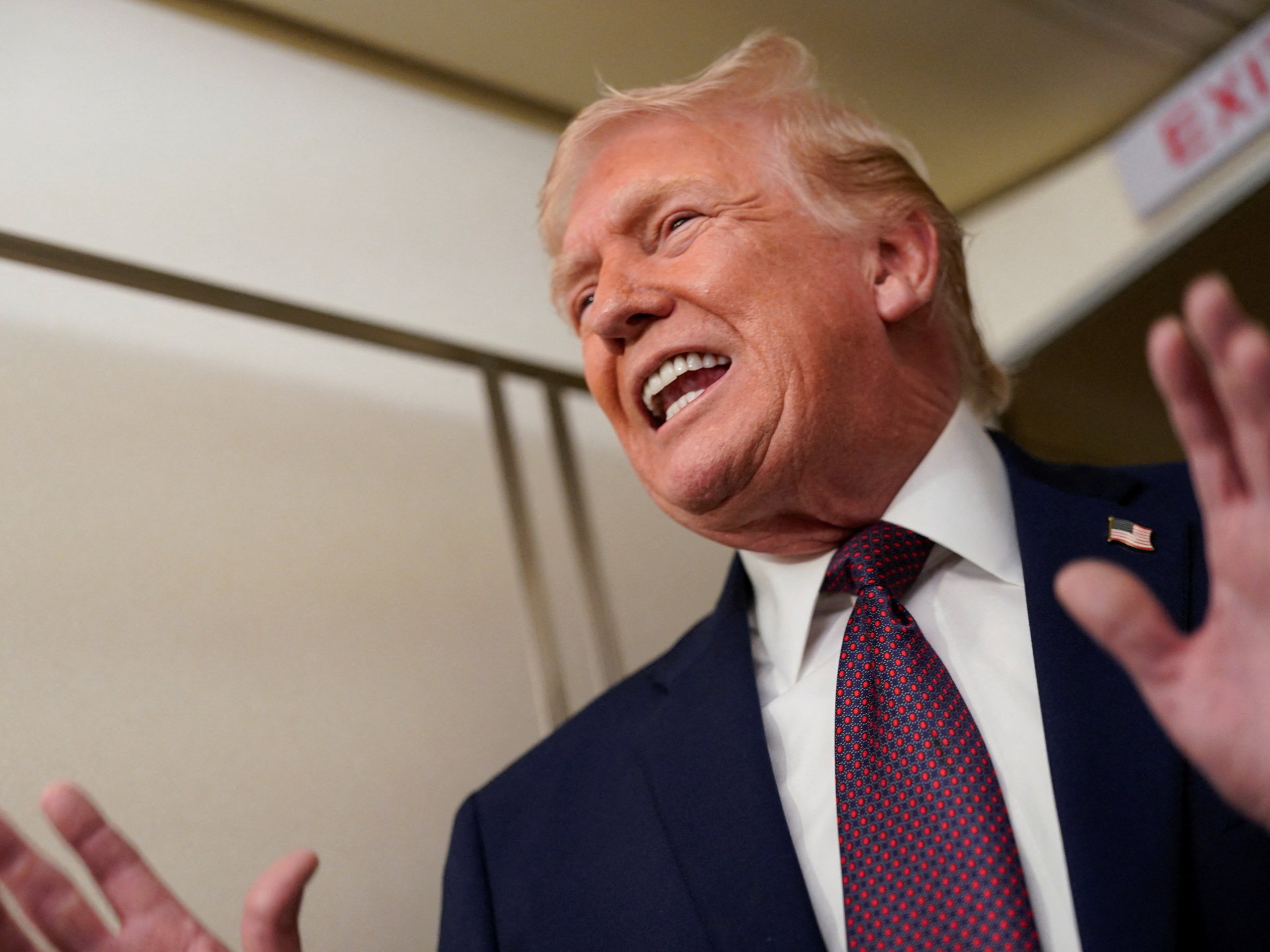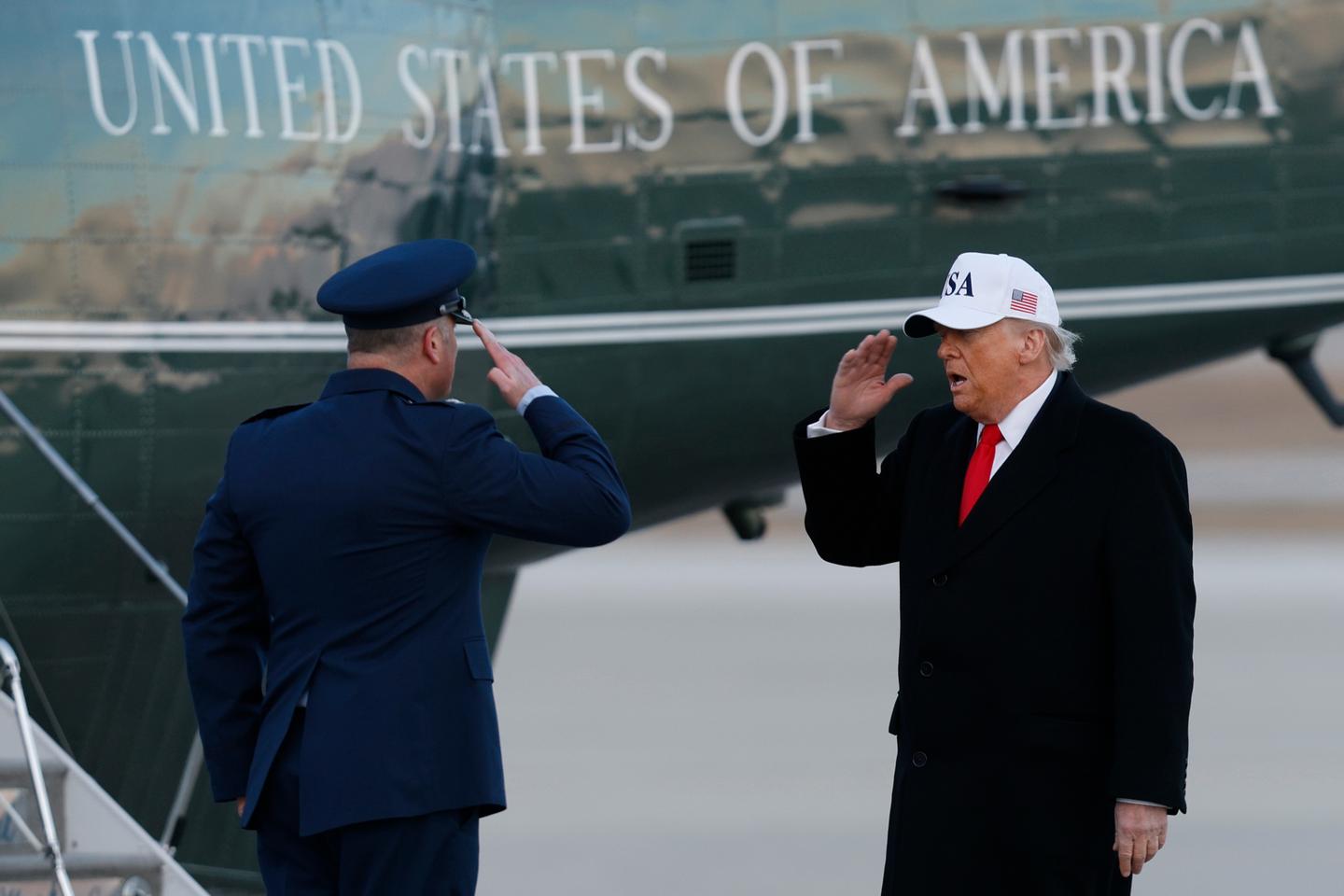
Donald Trump salutes a US Air Force colonel at Andrews Air Force Base, Maryland, January 13, 2026. LUIS M. ALVAREZ/AP
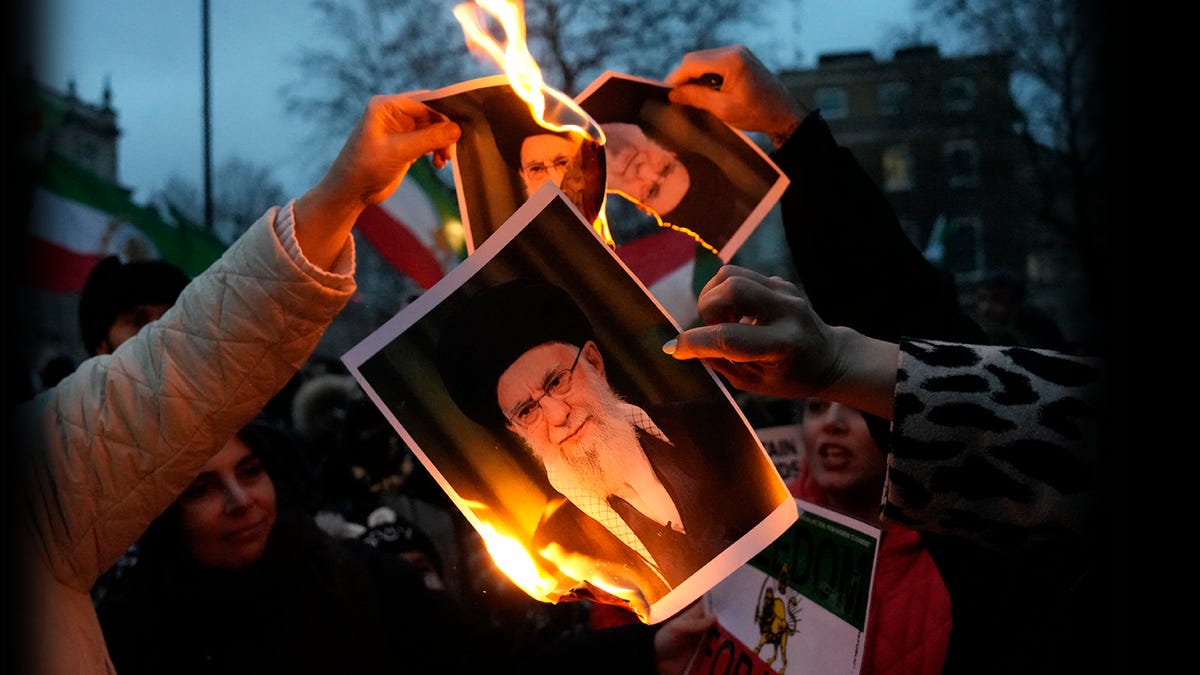
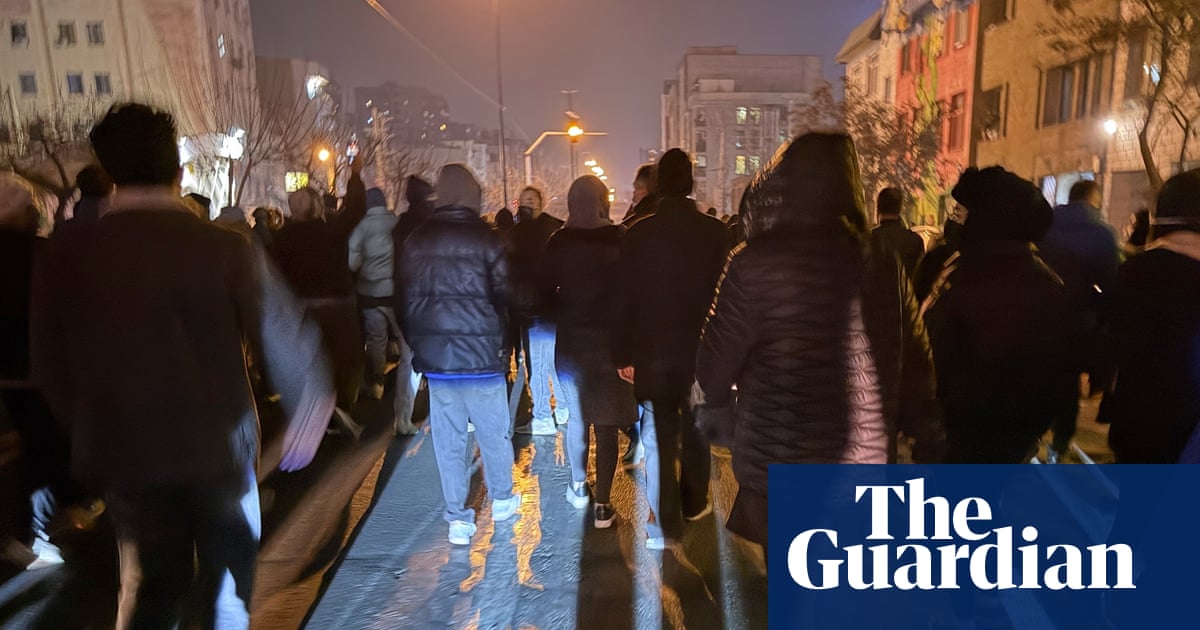
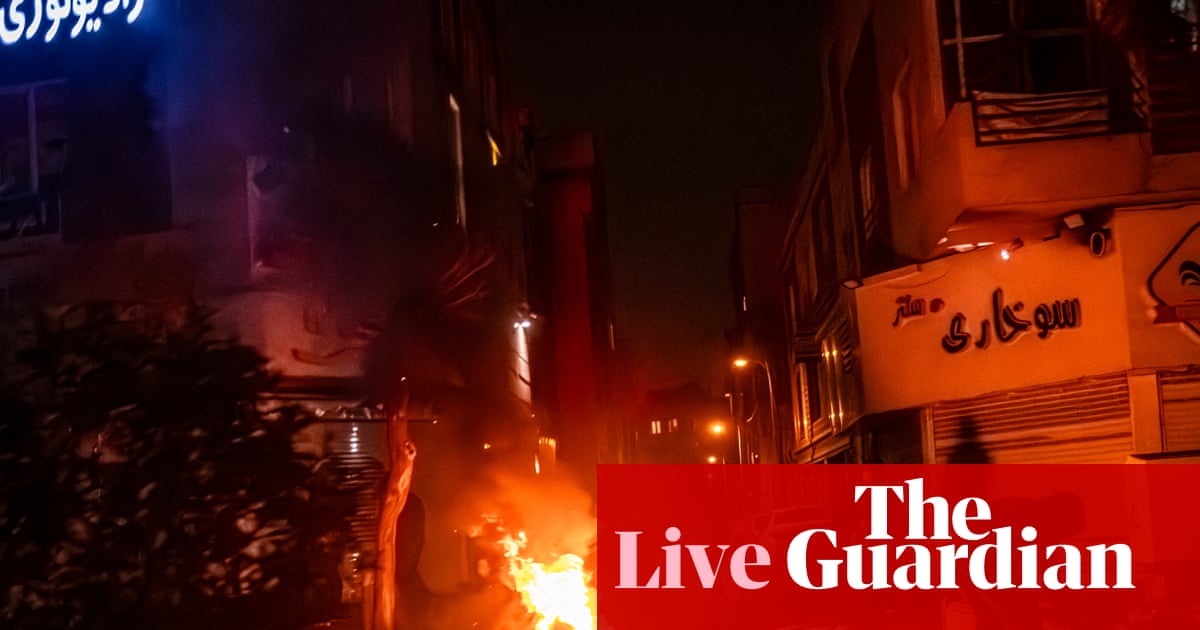
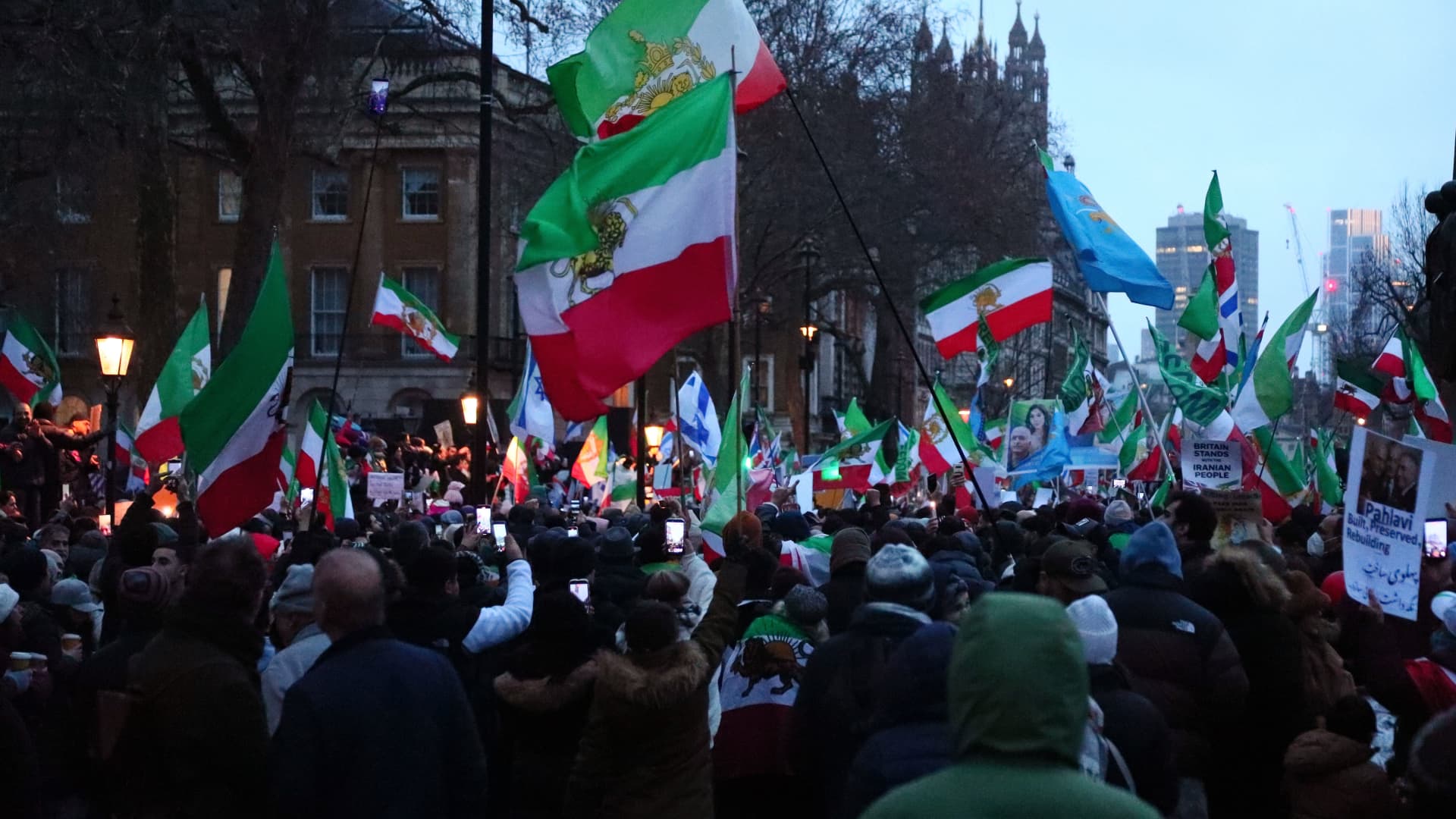
The rationale, the methods and the objectives all raise questions. Intense debates are underway within the US administration as it grapples with the temptation of imminent military action against the Iranian regime. This temptation has been fueled by Donald Trump himself, who has repeatedly showed support for protesters by giving them the word of the United States. The president even issued a promise on his Truth Social network on Tuesday, January 13: "Help is coming!" he wrote, instructing protesters to "Keep protesting. Take over your institutions!"
Yet, since 2016, the former businessman had built his political career on steadfast opposition to US attempts at regime change around the world, especially in the Middle East. But the euphoria following the capture of Nicolas Maduro in Venezuela and the sense of a historic opportunity to decapitate the Iranian regime have whetted Washington's appetite. The specifics, though, remain to be determined with the Pentagon, depending on available military options and excluding any ground presence.
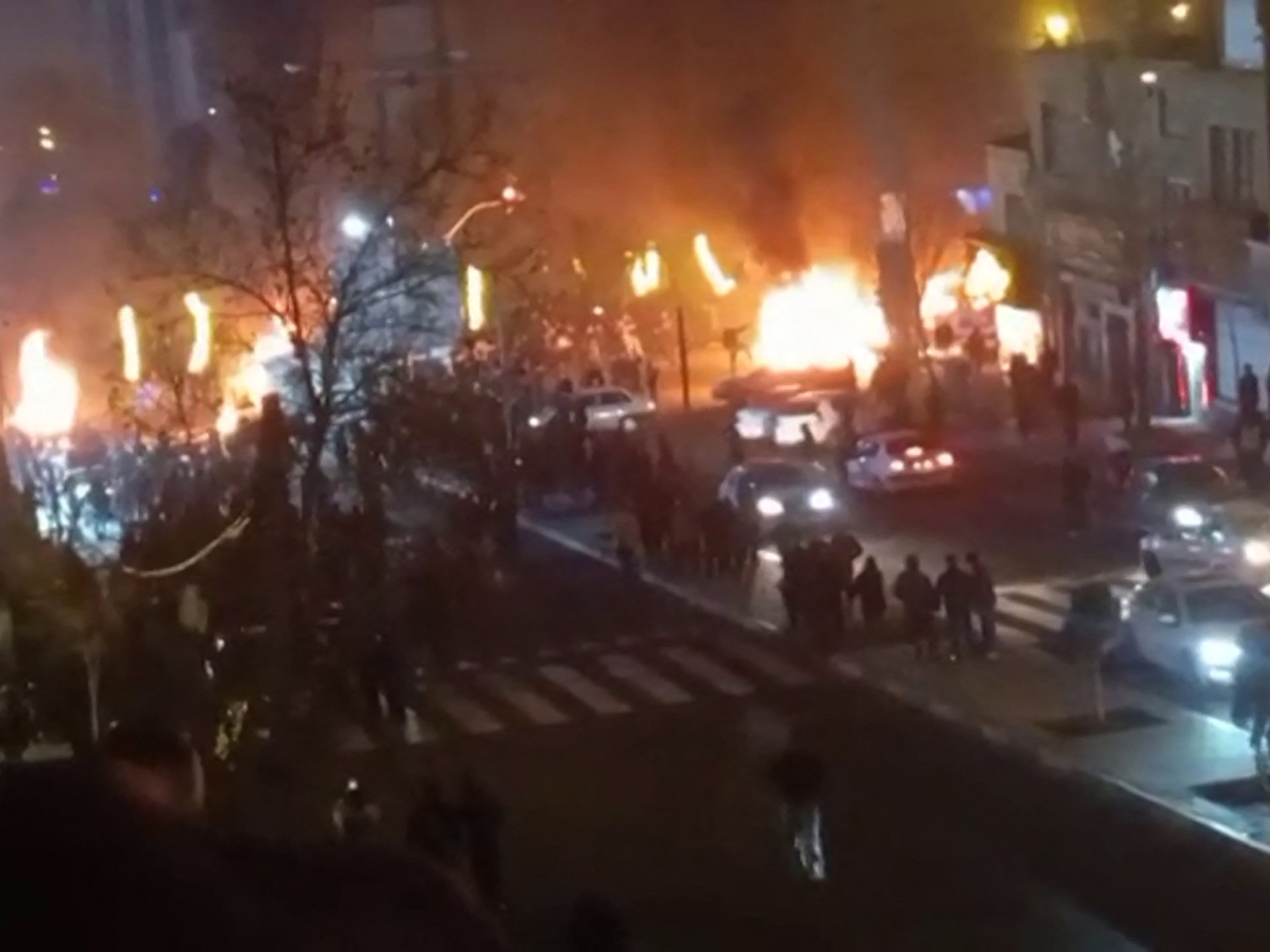
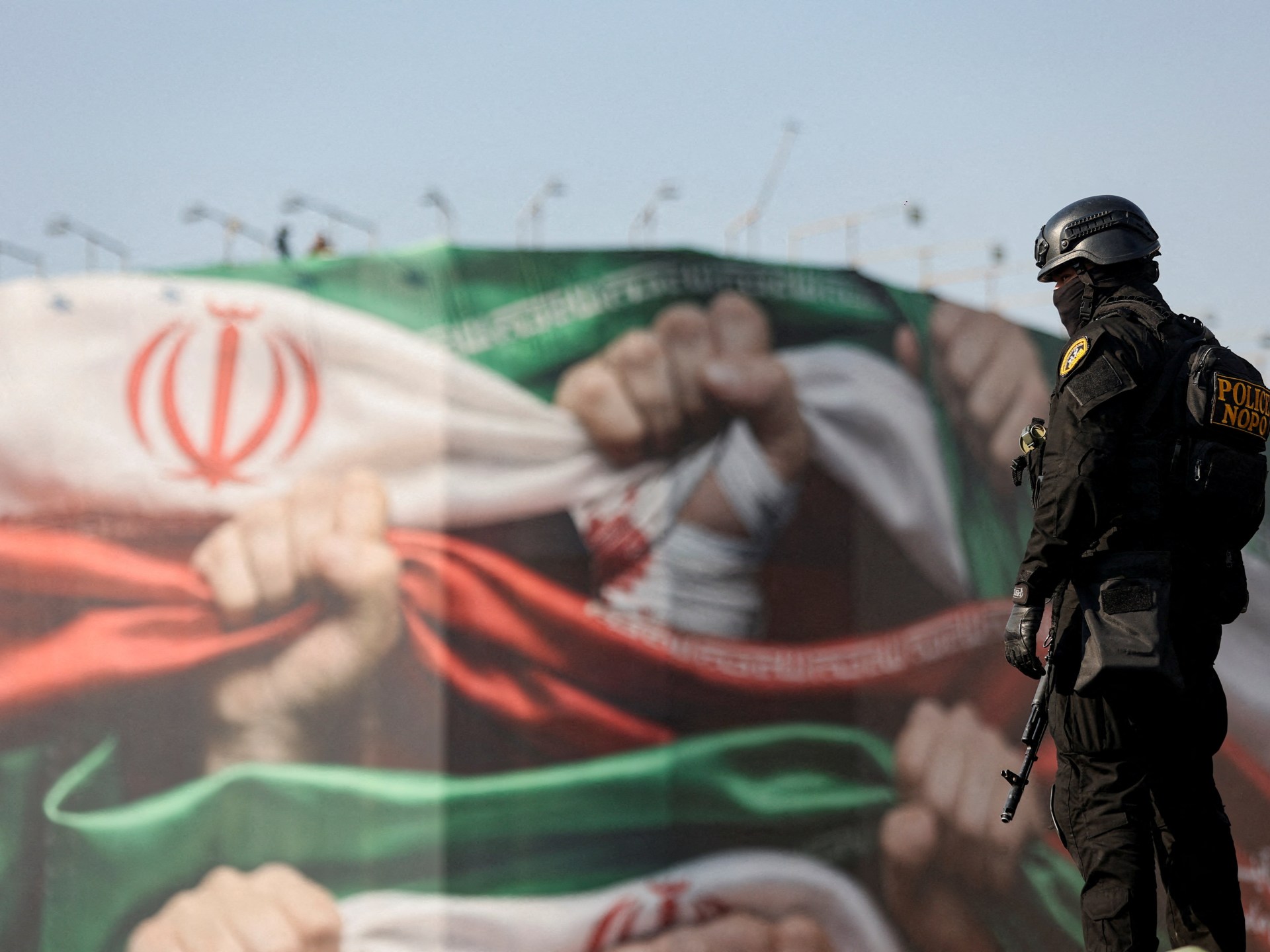
Two strategic meetings took place at the White House on Tuesday. Time was of the essence, given the brutality and scale of Tehran's crackdown to stifle the protests. The Trump administration was caught off guard by the movement, distracted as it was by Venezuela and the prospect of territorial expansion in Greenland. For now, the US president has announced punitive tariffs of 25% on any country trading with Iran, chief among them China. If implemented, the measure would trigger a new escalation in trade tensions with Beijing. The intent to strangle the Iranian economy coincides with the volatility and extreme weakness of Iran's currency, the rial.