For Mehdi Taremi and others playing abroad, showing solidarity with their home nation can mean threats and possible detention
M
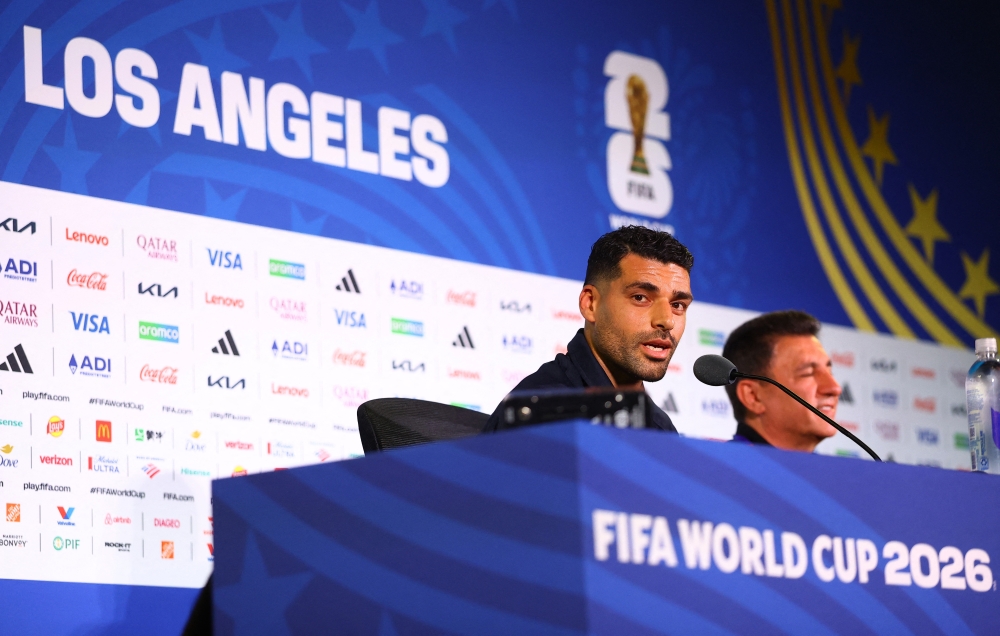
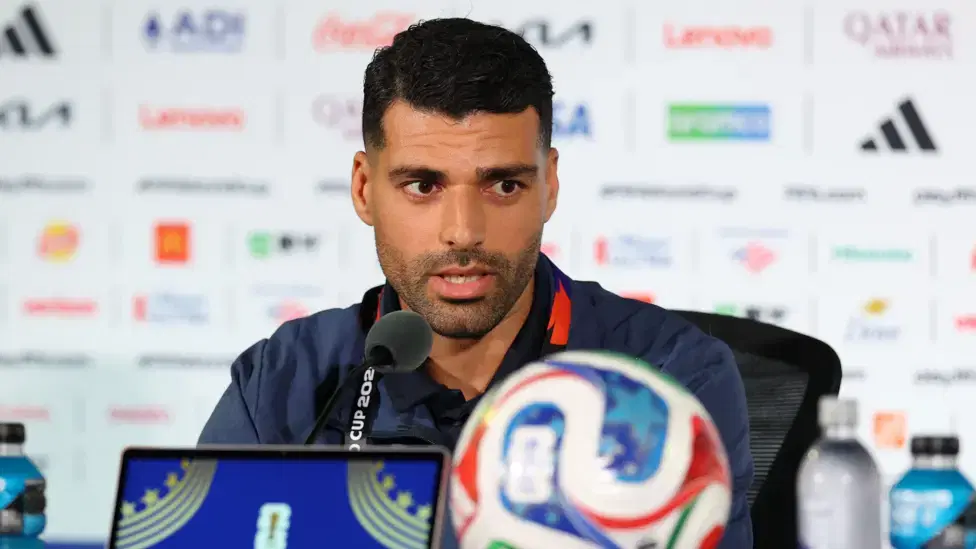
ehdi Taremi did what he does best. On Saturday, the Iranian striker turned inside the area and scored for Olympiakos, a well-taken eighth goal of the season for the 33-year-old that clinched a 2-0 win at Atromitos and a place at the top of the Greek Super League. Usually, millions of people in Iran follow every step of Taremi’s European career, one that took off with Porto and has settled in Piraeus via Milan, but not this time.
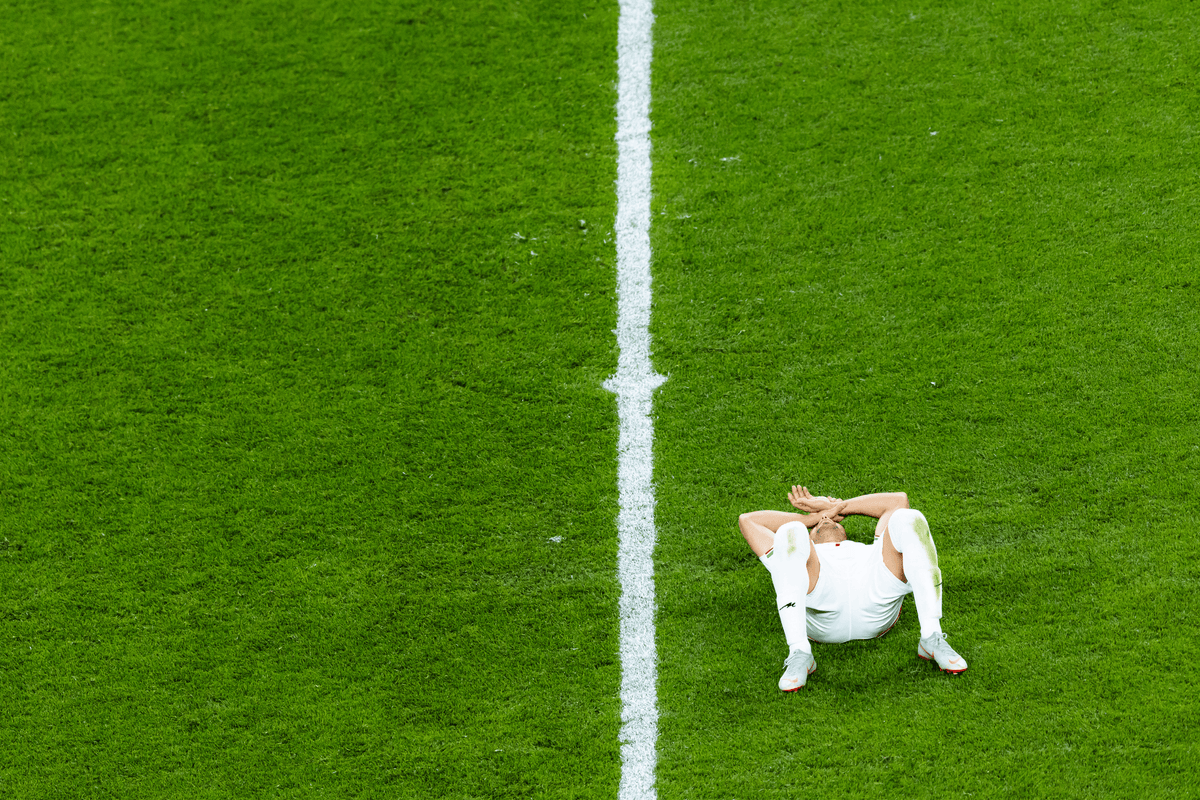
The ruling regime in Tehran has cut the internet and all communications, which meant that residents of the football-loving nation also missed the non-celebration that followed. “It actually has to do with the conditions in my country,” Taremi said. “There are problems between the people and the government. The people are always with us, and that’s why we are with them. I couldn’t celebrate in solidarity with the Iranian people. I know that Olympiakos fans would like me to be happy, but I don’t celebrate the goals, in solidarity with what the Iranian people are going through.”
And what they are going through seems worse than at any time since the 1979 Islamic Revolution deposed the Shah and put Ayatollah Khomeini in power. Surging inflation and a collapsing currency have sparked major anti-government protests and unrest across Iran. The response has been brutal. The ruling regime is clinging on to power by dealing out death, more repression and an internet blackout that has lasted for days. WhatsApp messages remain with one tick, emails are undelivered and websites unreachable. For the millions of people outside the country with loved ones inside, there is fear and worry.