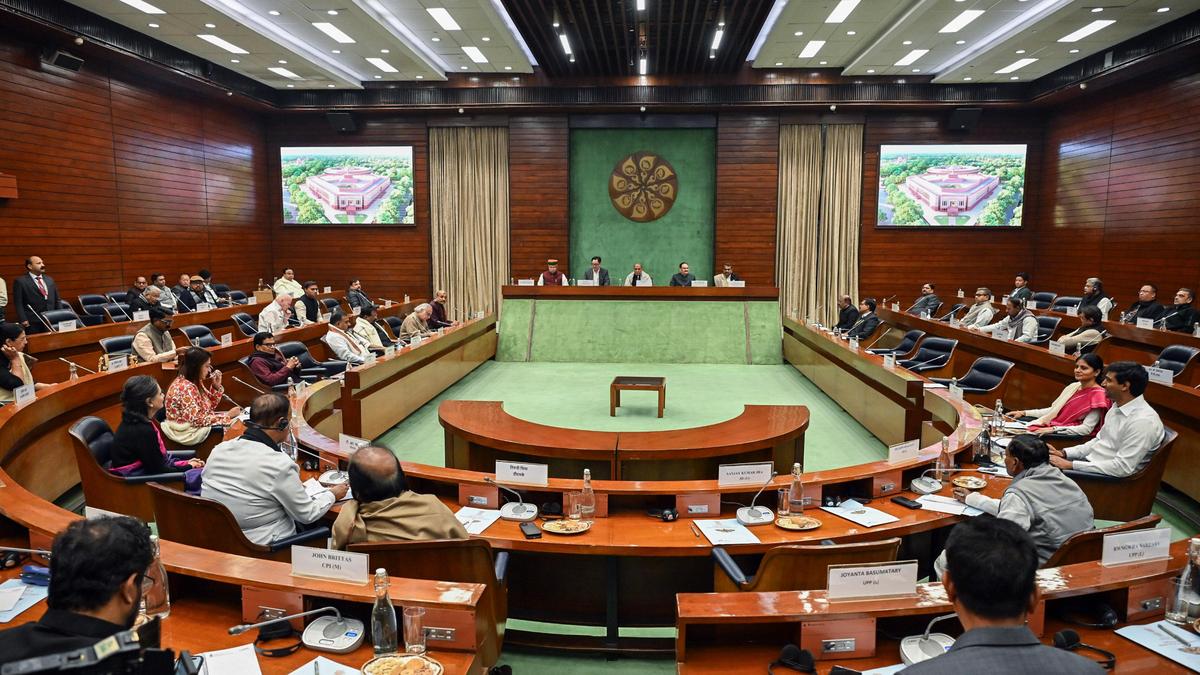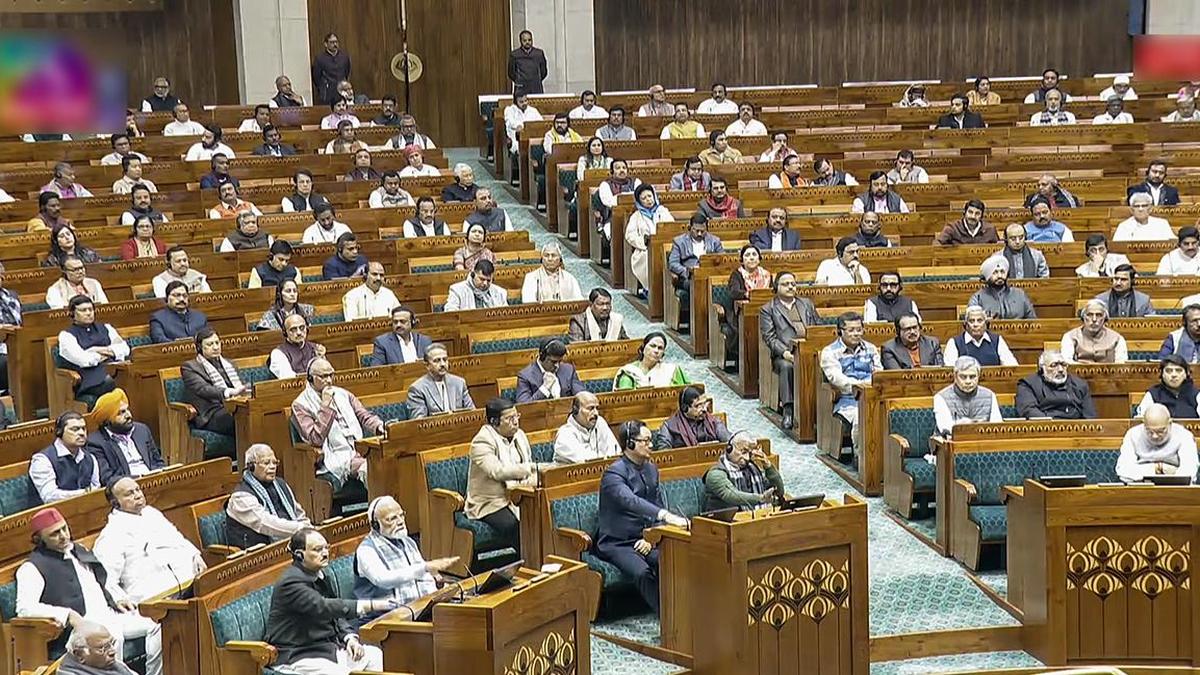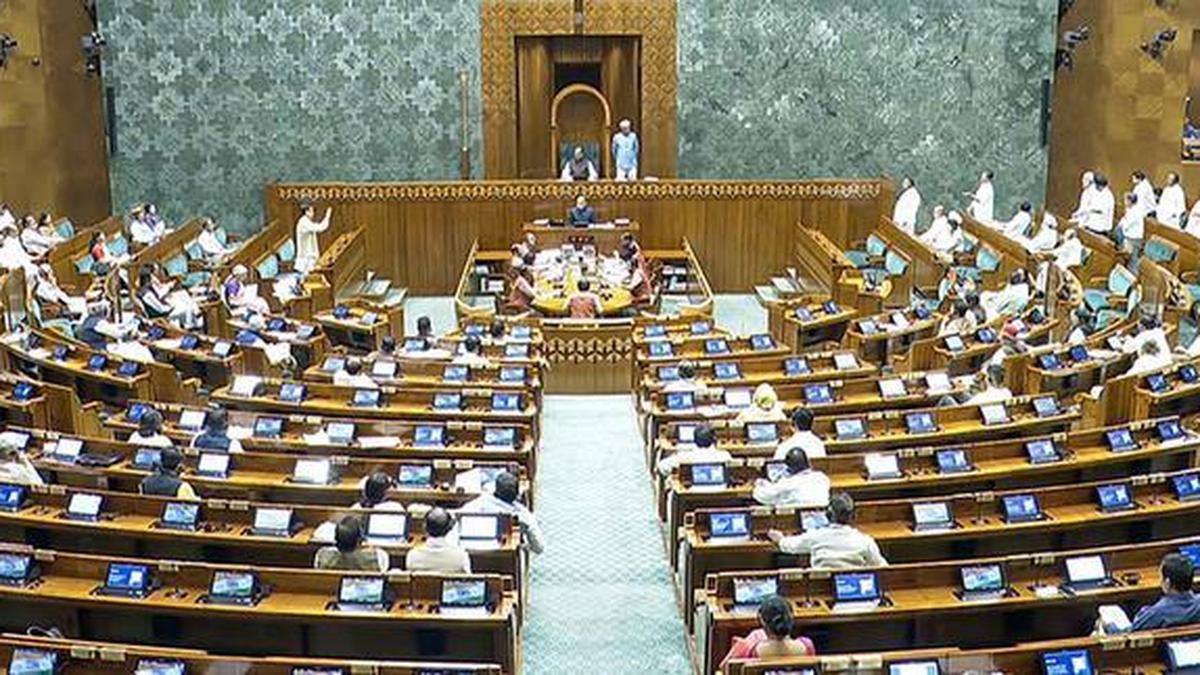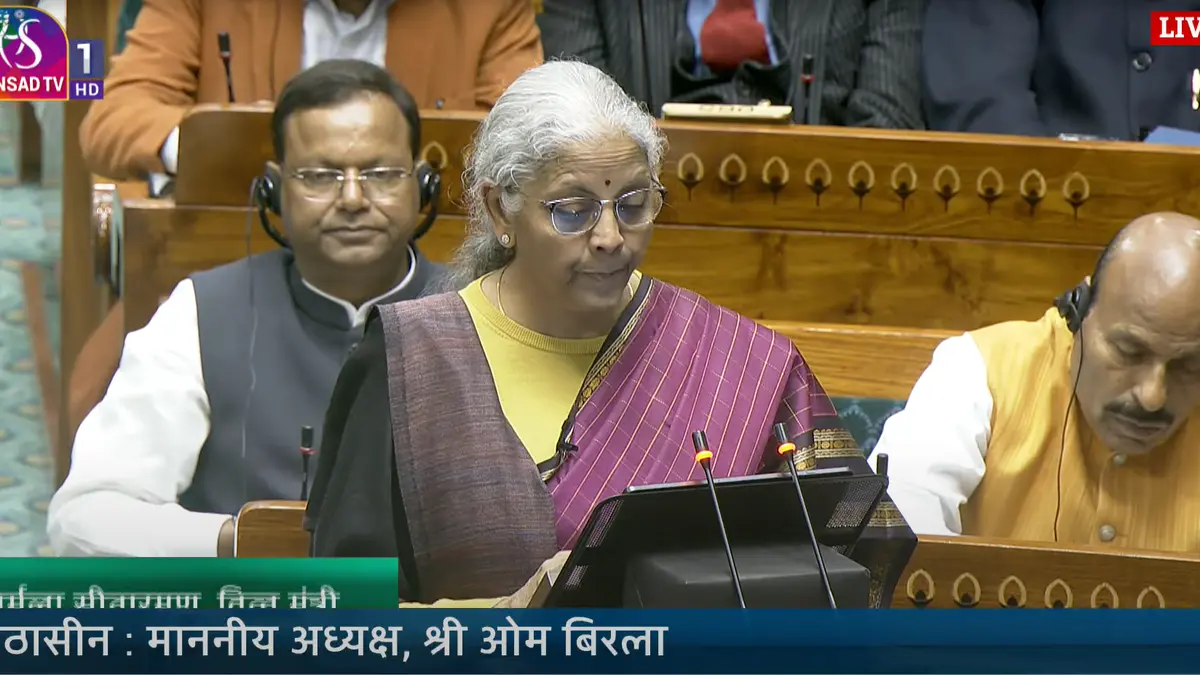
The Union Budget of India, officially known as the Annual Financial Statement under Article 112 of the Indian Constitution, is the Central government’s financial plan for the upcoming fiscal year (April 1 to March 31). It is a statement of the estimated receipts and expenditure of the government for that particular year. As the Union Budget 2026 approaches, let’s understand some of the key details that one should watch out for this Budget session.
Budget 2026: Education experts urge government to prioritise quality, infrastructure
What is Union Budget for?
The Union Budget is important because it shapes our country's economic strategies and affects families and businesses on a massive scale. It sets the stage for development goals in education, infrastructure, health and more. The budget outlines fiscal policy, decides tax changes and signals government priorities which can impact economic growth, jobs, and inflation.
Unlike many countries, India’s Union Budget is deliberated and approved by Parliament. It includes several documents such as the Finance Bill, Budget estimates, taxation proposals and departmental receipts and outlays. These are debated by Members of Parliament following the Finance Minister’s speech.