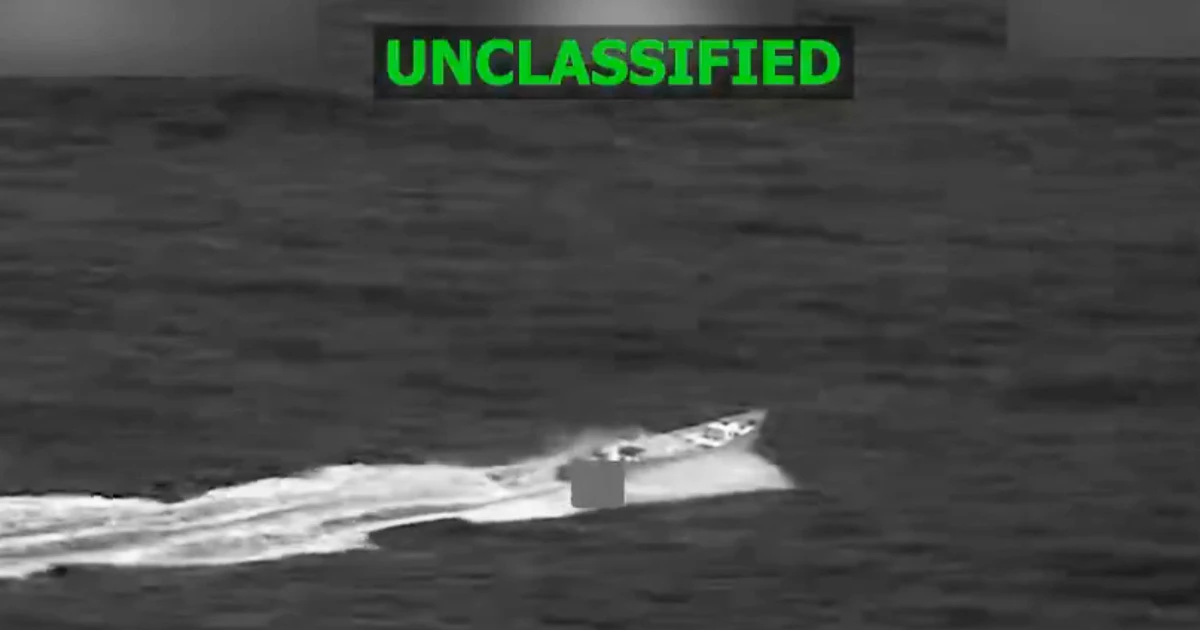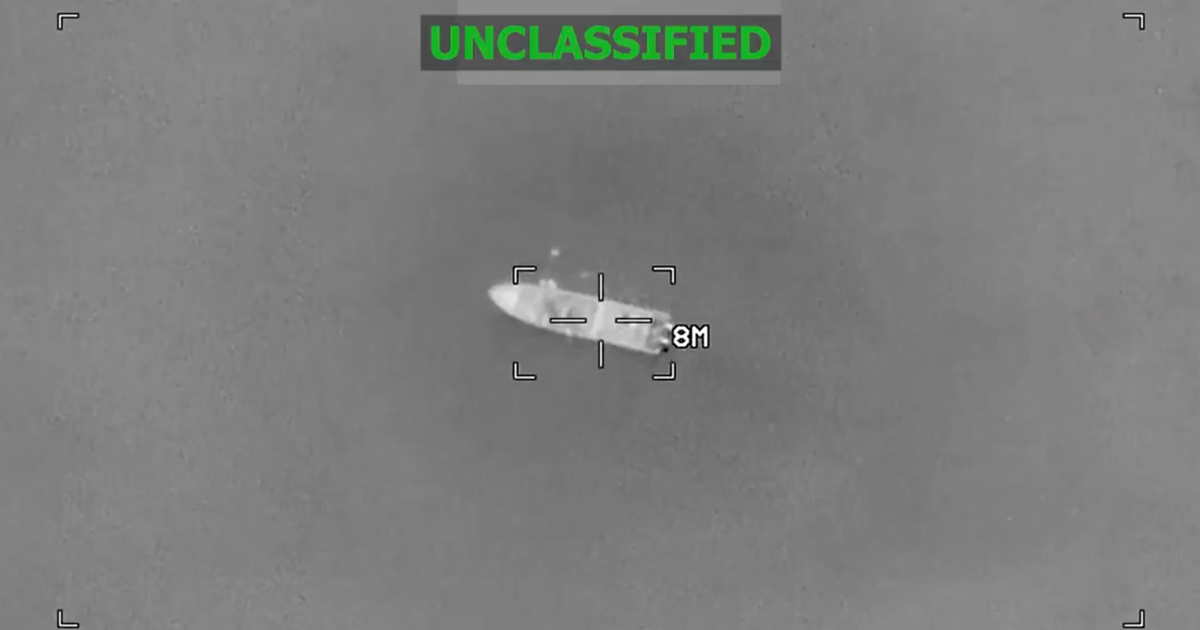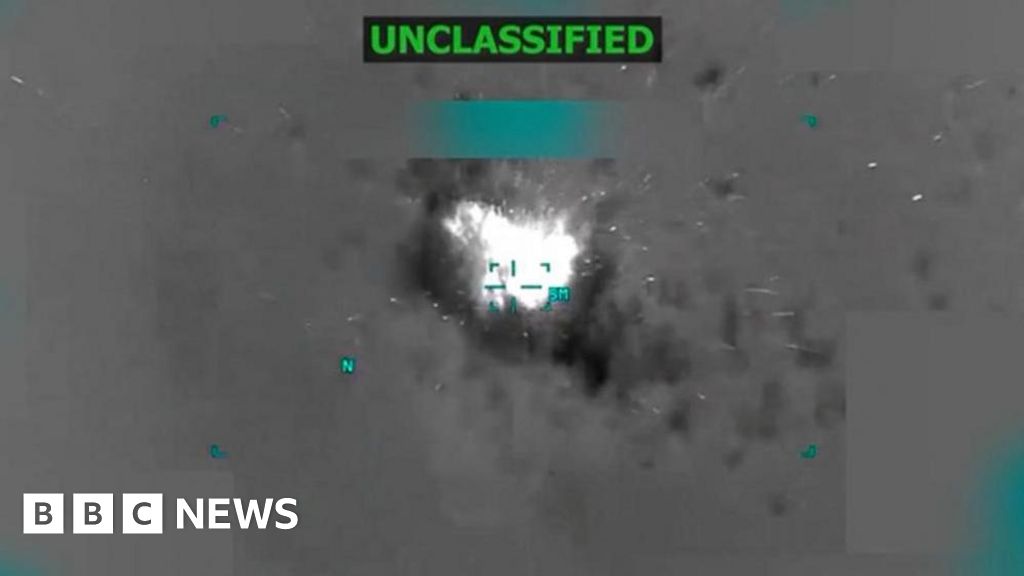
Early last September, the U.S. military made good on President Donald Trump’s promise to kill suspected drug smugglers when it bombed a speedboat off the coast of Venezuela and then fired another missile at survivors clinging to the wreckage. Two weeks later, the U.S. sank another boat and four days after that, a third vessel.
With the death toll at 17 by month’s end, a member of the U.S. military involved in these strikes expressed fear that the campaign was illegal and sought legal advice. Steve Woolford, a resource counselor with the GI Rights Hotline, took the call from the service member he described as having an important role in the approval process for the strikes. He declined to give specific details about the person’s exact role because the hotline, which provides free counseling services as a nonprofit organization, is confidential. The person told Woolford they were questioning whether the U.S. was engaged in a “legal military operation.”
“This doesn’t look like what the military is supposed to be doing, and the military is doing it,” Woolford recalled the service member expressing, adding that “they didn’t want to be doing it.” He referred them to legal counsel.
On Monday, The New York Times reported the military used an unmarked aircraft painted to resemble a civilian plane to conduct the first boat strike on Sept. 2. Feigning civilian status to trick adversaries is a war crime known as “perfidy,” banned under both international and U.S. military law, according to the Times.