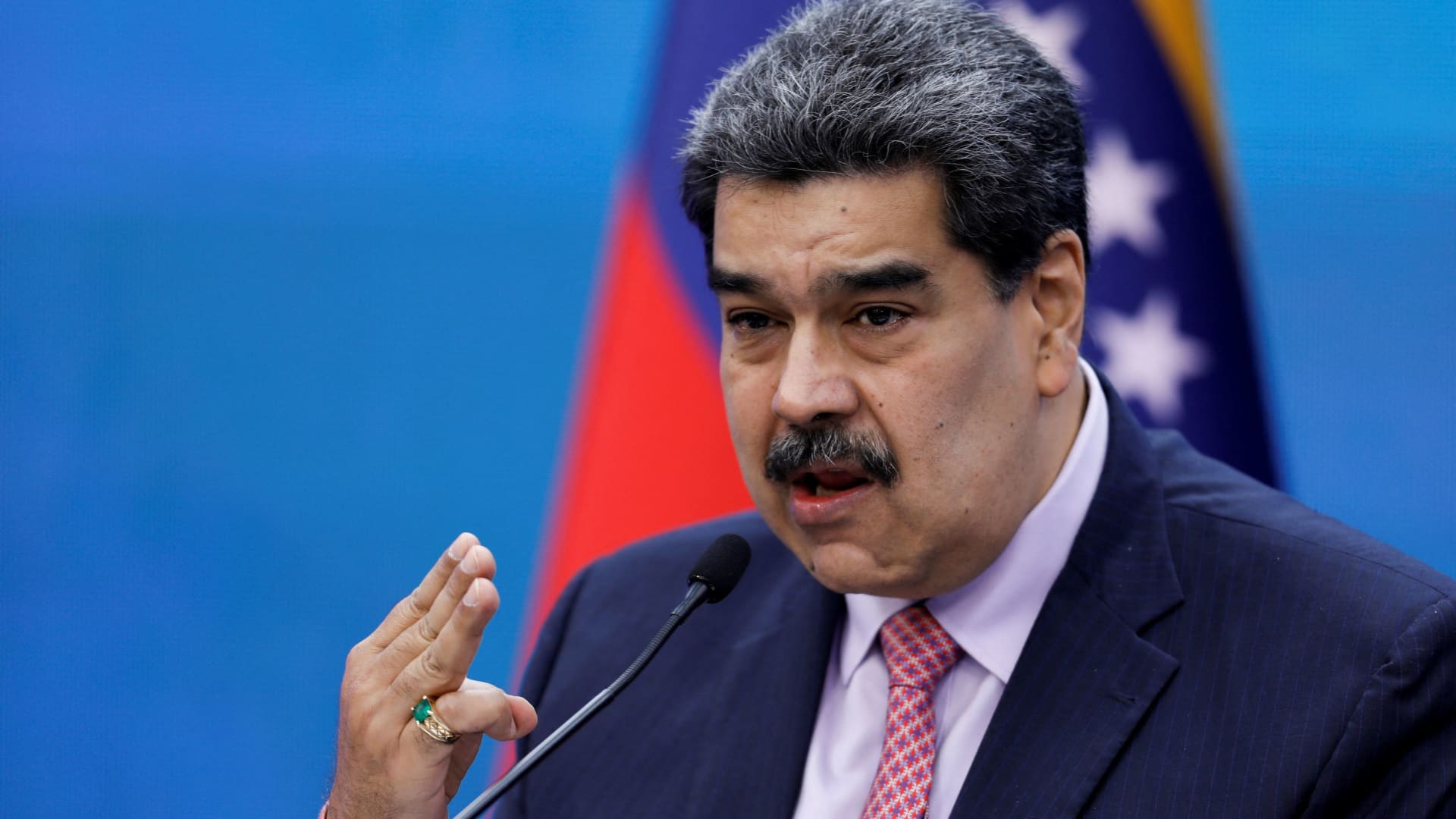
On Jan. 3, soon after U.S. forces captured Venezuelan president Nicolás Maduro at his compound in Caracas, the political researcher Tyson Brody noticed strange activity on Polymarket. Brody is one of a growing group of observers who monitor for unusual trades on the platform, which allows people to gamble on the outcome of future events, from the weather to NFL games to governmental upheavals.
Following Maduro’s capture, Brody found one user, who only created their account a week before, had taken a massive position on Maduro leaving office. The user, Burdensome-Mix, had become the largest holder of “yes” contracts for the event—which paid out in the event Maduro was toppled before the end of January—well before the news of the raid reached the public. The user ended up making over $400,000 from the well-timed trade. Brody’s early morning post quickly went viral, spurring widespread accusations of insider trading and a growing backlash against unchecked prediction markets by lawmakers.
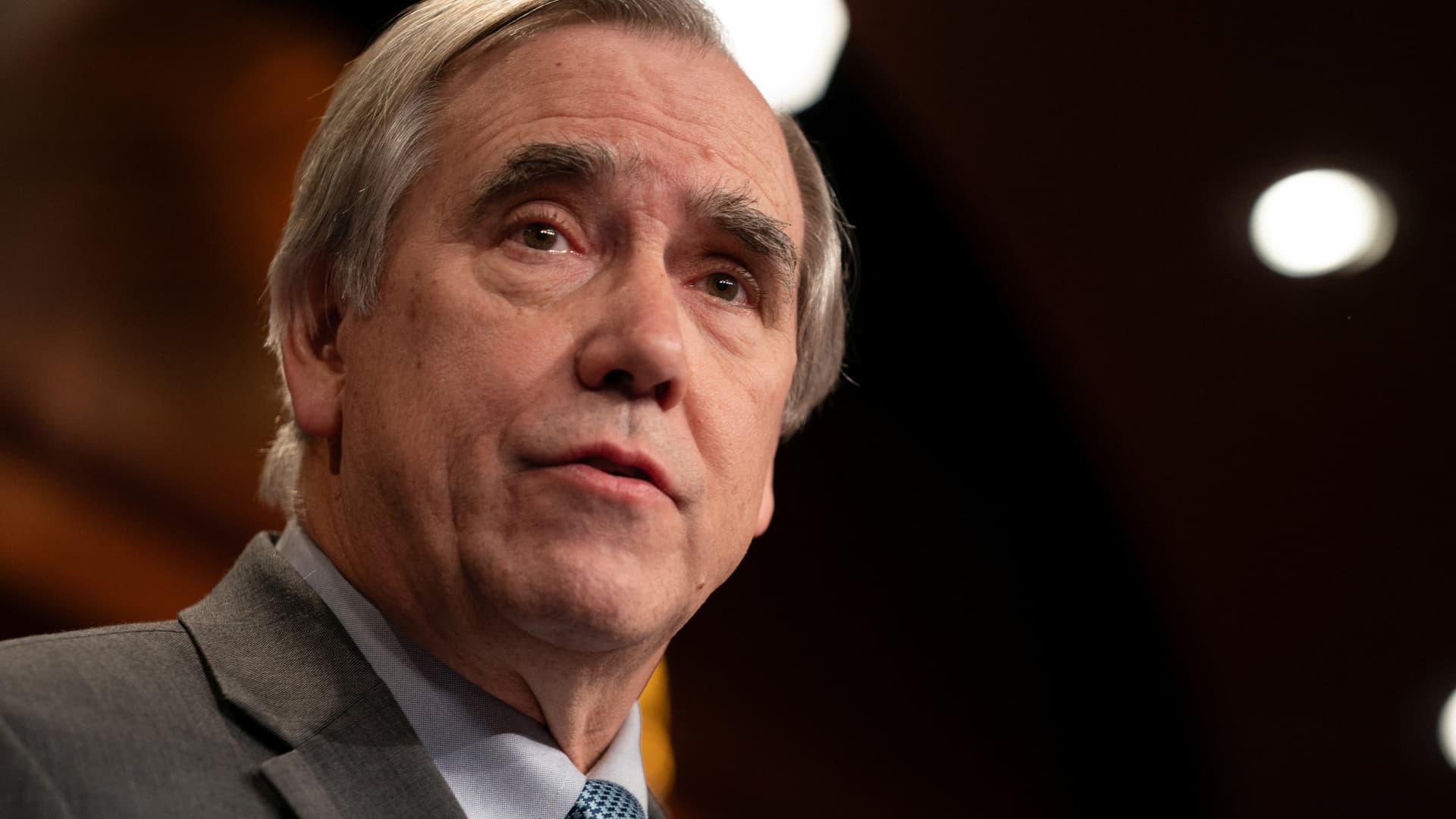
The controversy comes as courts and regulators struggle to define rules for prediction markets, which have exploded in popularity, with Polymarket netting a $9 billion valuation late last year. Critics argue that trades like the Maduro bet threatens the integrity of U.S. markets, while proponents maintain that companies like Polymarket function as truth machines, informing the public faster than traditional media. Some hardline libertarians even contend that insider trading is a feature, not a bug, with information more likely to surface due to financial incentive.