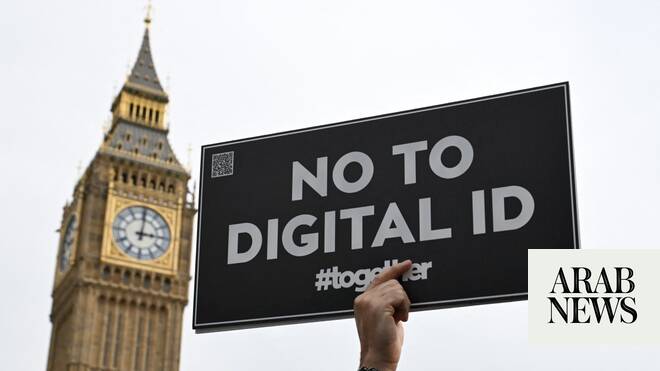
Workers will be able to use other identification for right to work, meaning digital form not mandatory
Ministers have rolled back on a main element of the proposed digital ID plans, leaving open the possibility that people will be able to use other forms of identification to prove their right to work.
This will mean that the IDs, announced to some controversy in September, will no longer be mandatory for working-age people, given that the only planned obligatory element was to prove the right to work in the UK.
While officials said this was not a U-turn, just a tweak before a detailed consultation on how the system will function, it will be viewed as the latest in a series of policy changes, including on business rates and inheritance tax for farmers.
When Keir Starmer announced the proposal for digital IDs by 2029 they were billed as voluntary, with the exception that they would be mandatory for people to show they were legally allowed to work.