We’re now in double-digit January, and there’s no time of the year when more people are thinking about exercising.
Thinking about exercising, of course, does very little. The trick remains actually running, cycling, or doing jumping jacks consistently. But motivation and stick-to-itiveness are tricky, Justin Shields, founder of LA’s Venice Run Club, knows better than most. Starting from zero in the pandemic, Shields has seen his Wednesday summer runs grow to more than 500 people, even hitting a 1,000-runner peak a couple of years ago. Strava—a longstanding fitness tracking app with social media features—has played a key role in keeping everyday runners running, said Shields.
“When you see regular people do things, that’s more inspirational than… the 110-pound Kenyan runner running a two-hour marathon,” he told Fortune. “That’s very cool, but you’re not going to relate to him more than the guy who’s working a 9-to-5, has a baby, and is still going out to run. That’s relatable. Being able to see each other, that’s connection. Strava is glue.”
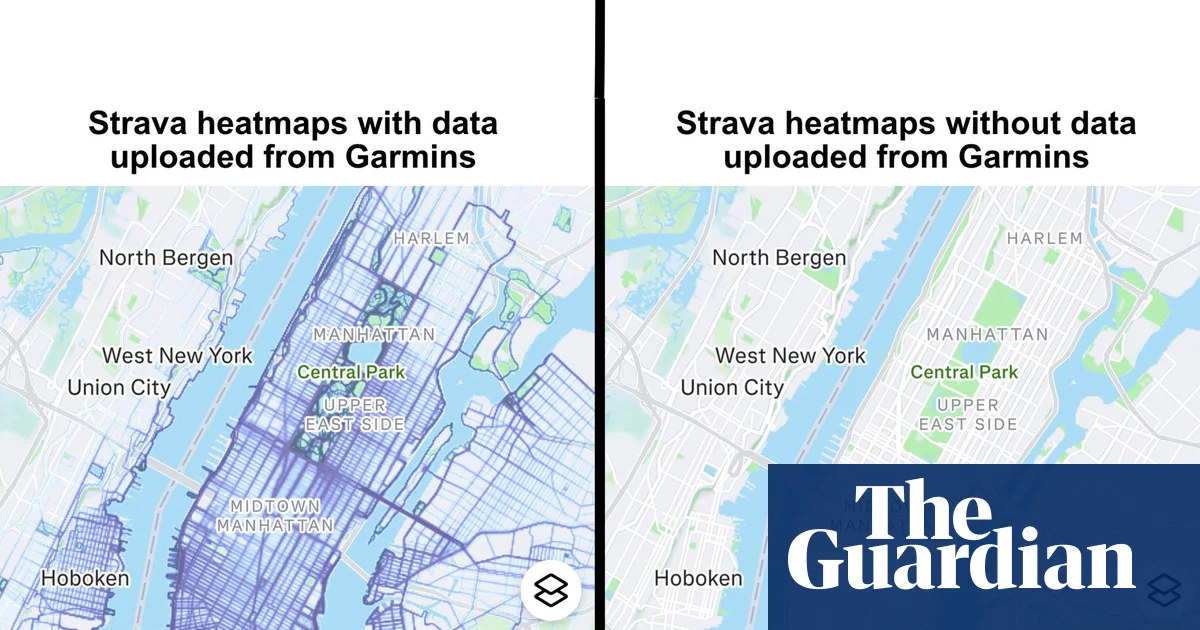
Strava’s story is as winding as it is anomalous. Founded in 2009 by Michael Horvath and Mark Gainey, Strava first rose to prominence among cyclists. In the years since, the app has been at the center of long-running privacy debates, dealt with the occasional lawsuit, and lived through a years-long slowdown. In tech, where growth is king, that usually means curtains. But about 17 years after its founding, Strava has filed to go public, according to last week’s report in The Information. This is hardly surprising—it’s been long-rumored (on Friday, Strava added Barry McCarthy, who took Netflix and Spotify public as CFO, to its board). And while Strava is not confirming or commenting on IPO plans, I spoke to CEO Mike Martin about IPO readiness late last year.