The offer of thousands of dollars a month was hard to refuse for those living in poverty in a war-torn country. But while some Yemenis have died on the frontline, others are now prisoners of war
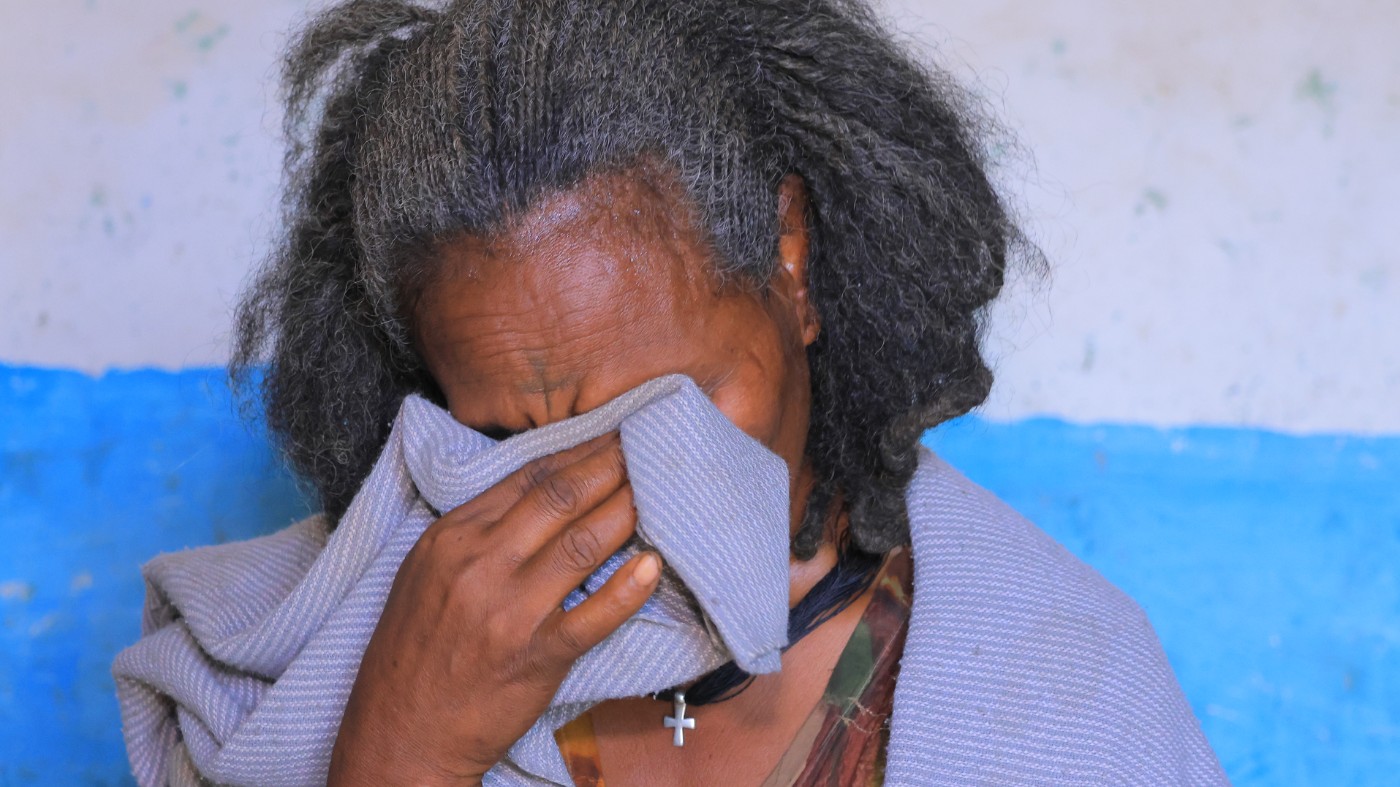
The first time I heard Hussein’s mother’s voice, it wasn’t anger that came through the phone, it was exhaustion.
“There are rumours that he burned to death,” she said to me. “How do you think that makes me feel as a mother? Where are you, Hussein? I’m looking for you. Please my daughter, help me.”
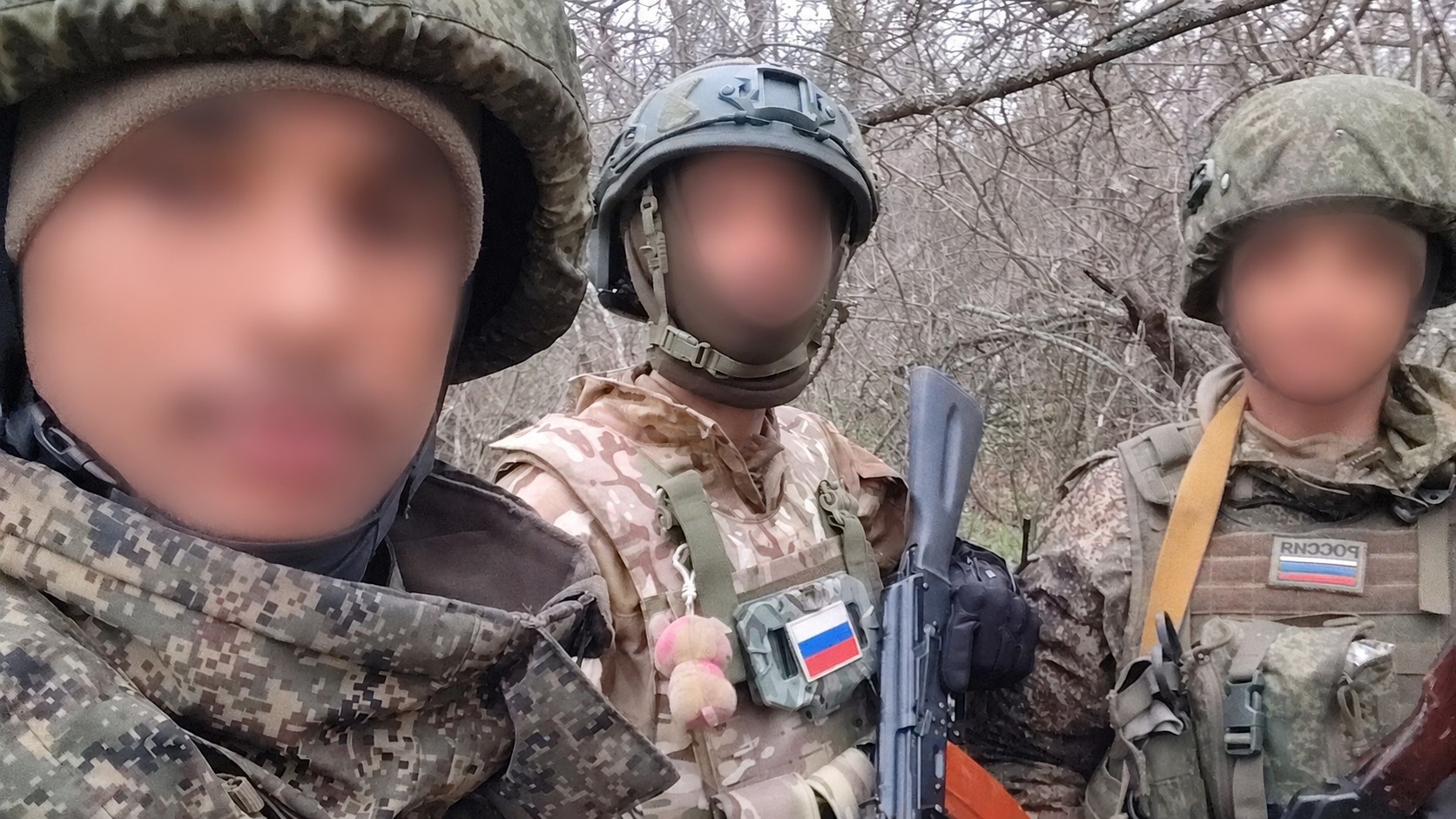
Her 28-year-old son had left Yemen, chasing the promise of a salary that could give him a better future. Within weeks, he had vanished into a war he did not understand, in a country whose language he didn’t speak, to one of the world’s most brutal frontlines. For months she scrolled the internet, searching for his face in the videos coming out of foreign fighters on Russia’s frontline, or his name in any of the chat groups discussing them, but had no success. Then a document arrived from Russia: Hussein’s death certificate.
And yet, when I finally found Hussein, he was alive.