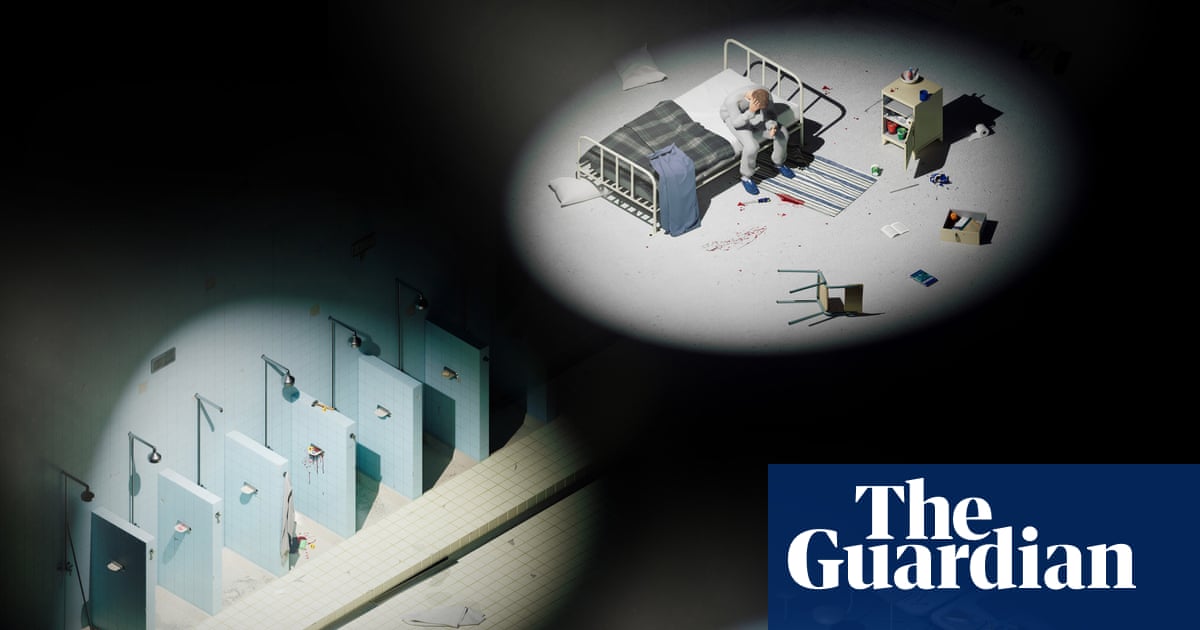
A rise of murders is traumatising inmates and staff, and making life harder for staff. But even in prison, violence isn’t inevitable
There are hotspots for violence in prison. The exercise yard, the showers. There are peak times, too. Mealtimes and association periods are particularly volatile.
But first thing in the morning is not when you expect to hear an alarm bell. I certainly didn’t, at 6am in my office on the residential wing of a high-security prison in late 2018. All prisoners were locked up at that time. But overcrowding has long been a problem in UK prisons, and keeping three men in cells designed for one can be a recipe for disaster.
When I reached the scene, I found one of my colleagues standing outside a cell with his keys in the lock, poised to open the door. The control panel next to the door showed a blinking orange light. The cell bell can be activated by prisoners inside to call for officer assistance. Normally this would be a request for toilet roll or paracetamol. But that day was different.
Inside the cell, one man sat trembling on the top bunk. Another stood with his back to the window, arms folded, T-shirt spattered with blood. The third prisoner lay prone on the floor. He was conscious, but only just. The eerie stillness of that cell was suddenly broken by noise and urgency. The officer beside me radioed for an ambulance. The dedicated search team was deployed to photograph the cell and preserve available evidence. Staff from the segregation unit were assigned the unenviable task of relocating the perpetrator to a “dry cell” (one with no toilet, sink or furniture) where he would not be able to scrub the dried blood – the evidence – from his skin or his T-shirt. Later, in the dry cell, he would proceed to smash the light fitting, and use the shards of plastic to assault the next officer who opened the door.