T
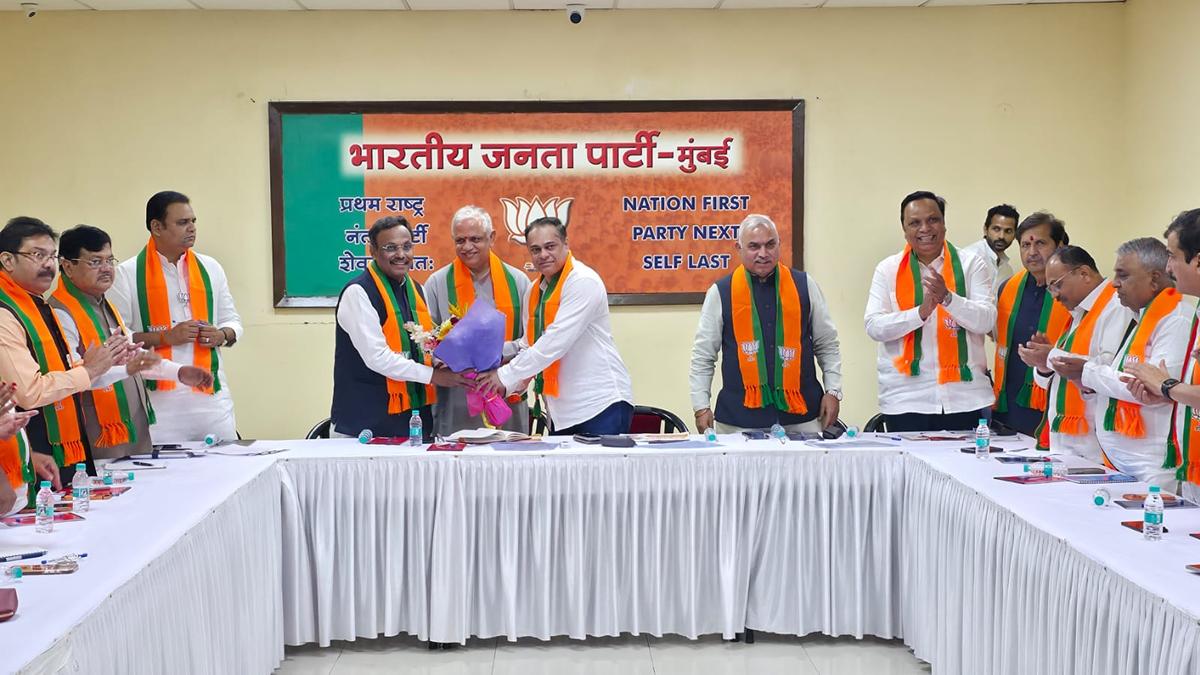
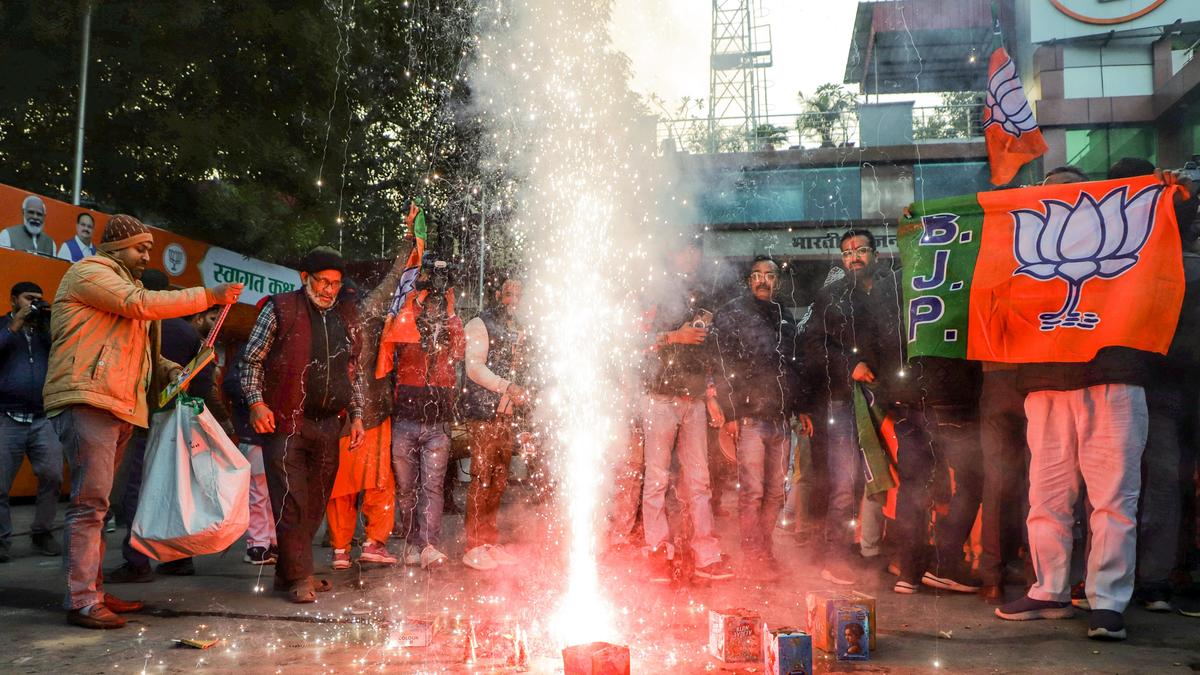
he Brihanmumbai Municipal Corporation (BMC) elections, have turned Mumbai into an epicentre of India’s most complex urban political contest. Unprecedented alliances, including the reunion of Shiv Sena (UBT) and Maharashtra Navnirman Sena (MNS), clash with the organisational dominance of the Bharatiya Janata Party (BJP)-Shinde Sena Mahayuti, which has already secured a significant edge through unopposed wins. As Congress breaks from the Maha Vikas Aghadi (MVA), new equations make voters face a stark choice. The verdict will shape not just Mumbai’s civic future, but Maharashtra’s evolving political order.
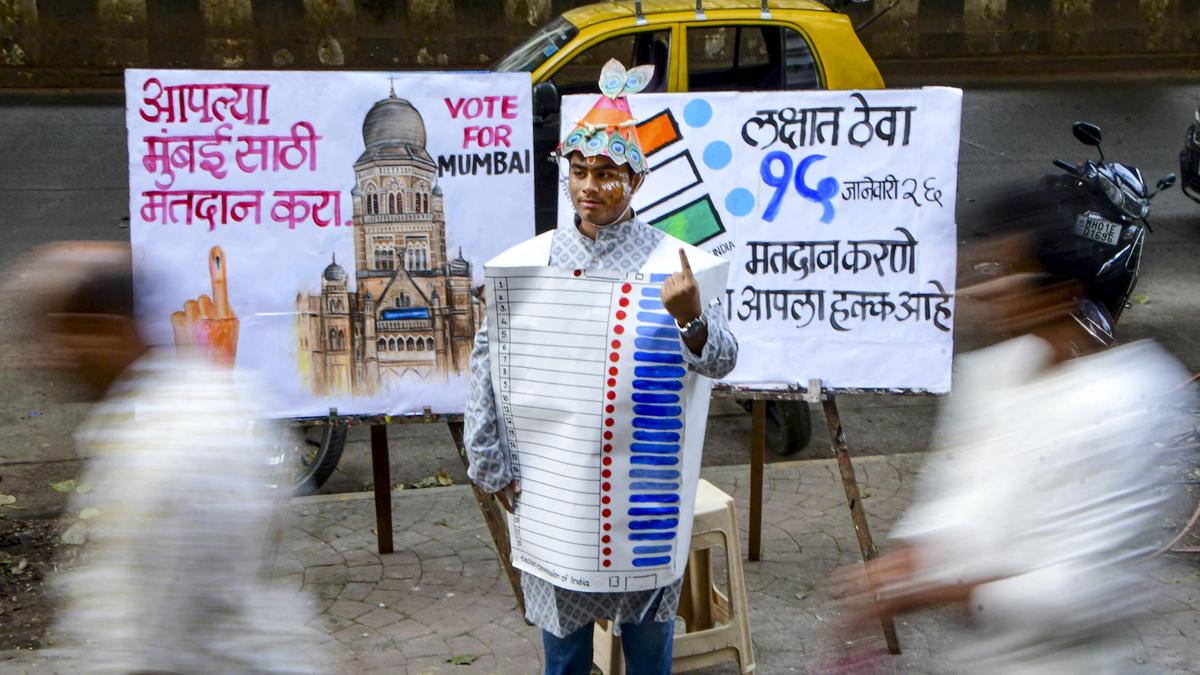
Scheduled for January 15, with counting on January 16, BMC elections represent a high-stakes battle for control of India’s richest civic body, boasting a budget exceeding ₹74,000 crore.
Confusing alliances
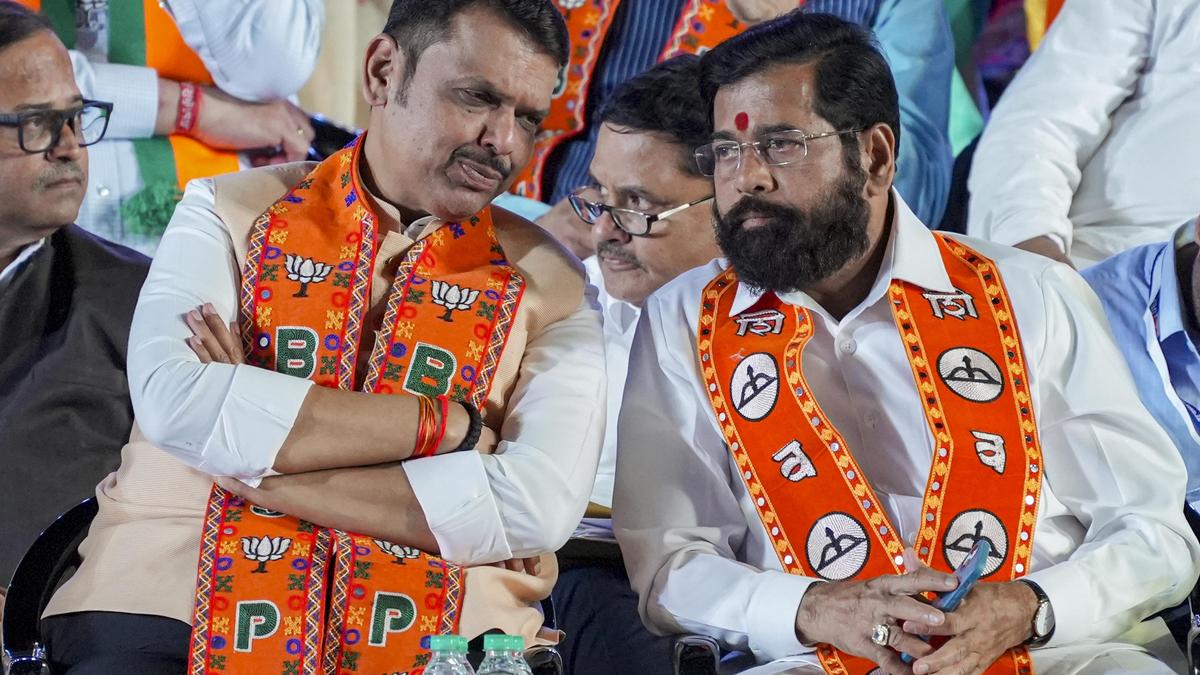
Maharashtra’s civic polls highlight a complex web where everyone is allied to everyone and simultaneously opposed to everyone. The standout is the Uddhav-Raj Thackeray reunion with the Shiv Sena (UBT) and MNS, bitter rivals for decades, uniting against the BJP-Shinde Sena dominance, invoking Marathi pride and Balasaheb Thackeray’s legacy through joint rallies. Yet Congress, once a partner with Uddhav’s Sena as part of the MVA, has rejected this “communal” MNS tie-up, breaking ranks to ally with the Vanchit Bahujan Aaghadi (VBA), which will be contesting 62 seats for Dalit-minority consolidation.