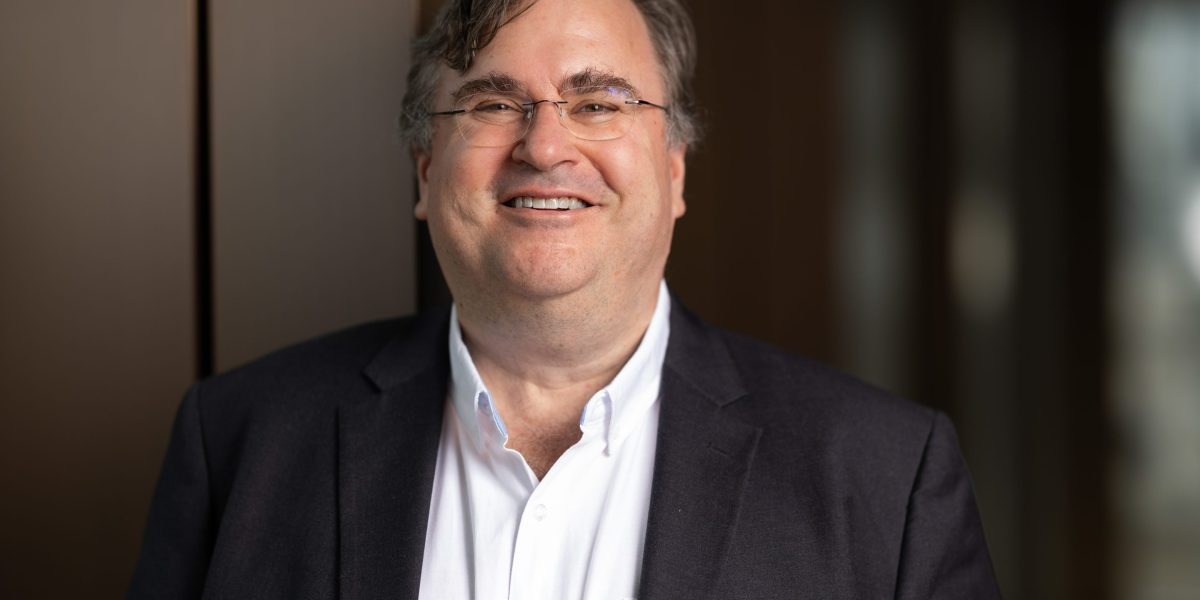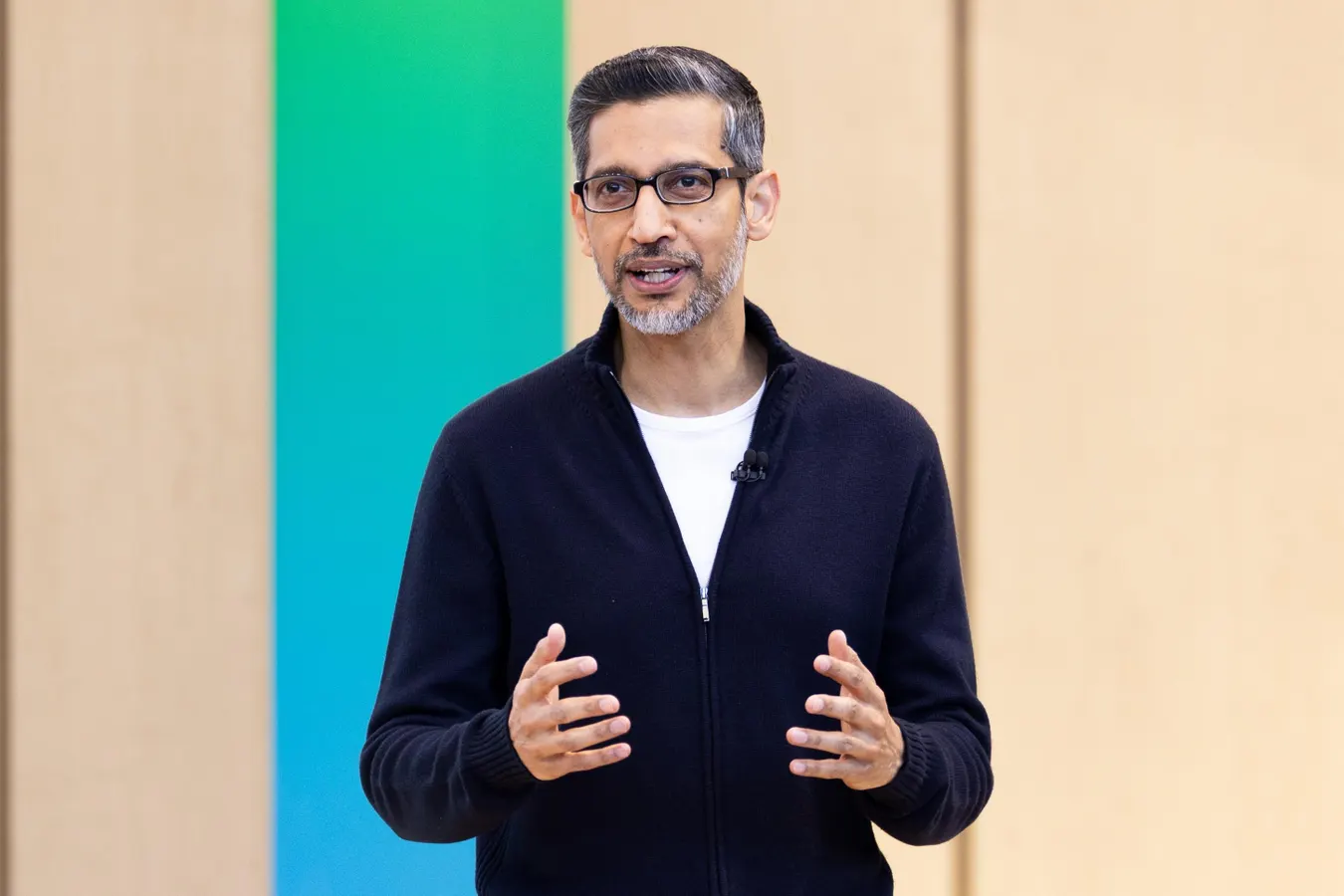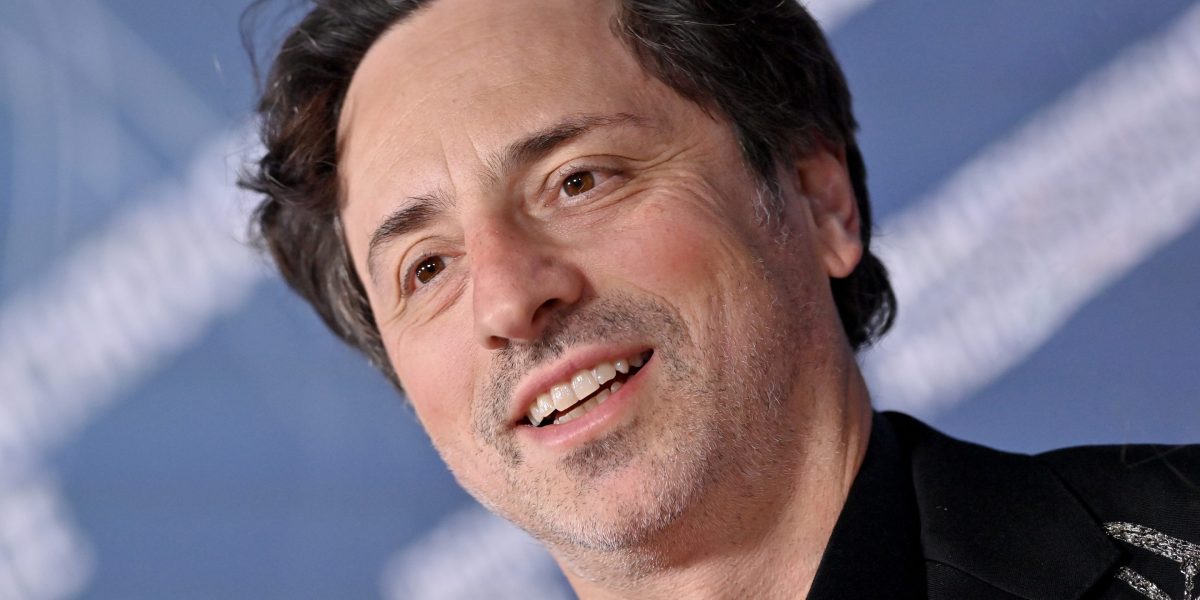
Whether it’s Nike’s Phil Knight, LinkedIn’s Reid Hoffman, or Google’s Sergey Brin, many of the world’s most influential business founders can trace part of their success back to Stanford University. Nestled in the foothills of Silicon Valley, the school has long functioned as a launchpad for tech’s elite.
But the rise of artificial intelligence is challenging long-held assumptions about the value of higher education. As tech reshapes entry-level work and companies rethink traditional hiring pipelines, the payoff of a four-year degree—especially from elite institutions—is increasingly up for debate.
Still, Brin doesn’t regret his own academic path. Speaking to Stanford engineering students last month, he said his decision to study computer science was not driven by a fixation on credentials.
“I chose computer science because I had a passion for it,” he said. “It was kind of a no-brainer for me. I guess you could say I was also lucky because I was also in such a transformative field.”
Even in an era when AI can write code, Brin cautioned students against chasing—or abandoning—fields of study based solely on automation fears.