After the state’s bathroom ban went into effect in December amid a slew of new anti-trans policies, I couldn’t keep trying to hide my identity at work
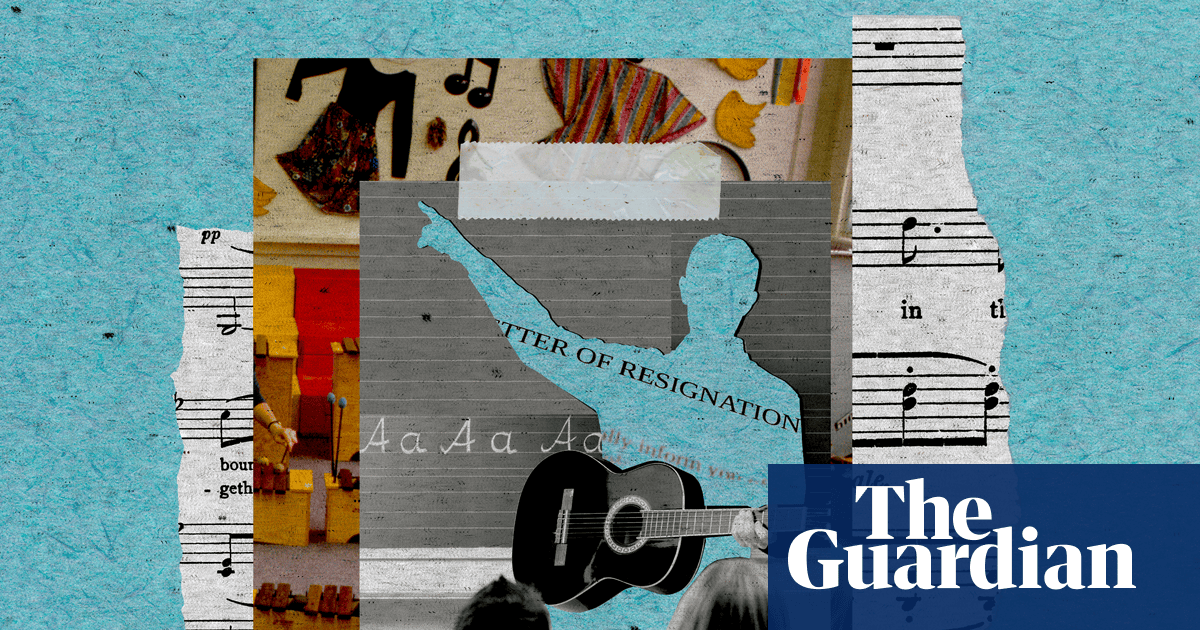
ntil recently, I was a music teacher in north Texas. I also happen to be trans. I have never, ever told a student about my identity. At work, I was “stealth” – a term that means that I passed as a cisgender man. Only my administrators knew I was trans, because I was not yet taking gender-affirming hormones when I started this job in my early 20s. I’m now in my late 20s.
My decision to stay stealth was affected by the political climate. Texas has been trying to pass a bathroom ban for 10 years, and in December, they finally implemented the rule. It applies to restrooms and changing rooms in public buildings, schools and universities.
Because of how I look, I can get away with going into the correct bathroom. But if someone were to report me to the district, it would cost my school $25,000 for the first offense, and then $125,000 every subsequent time. This law only applies to multi-occupancy, single-sex bathrooms – the type of boys’ and girls’ rooms you see in a public school like mine. Single-stall bathrooms, which are sometimes marked as gender-neutral, are still OK. Proponents of the bill say it’s not a violation of our civil rights because of that loophole. That did not stop some people from removing gender-neutral bathrooms and putting in gendered bathrooms – this happened at the University of Texas at Austin.