BEIJING — China’s push into high-tech industries isn’t large enough to offset the country’s property slump, leaving the economy more exposed to trade tensions, U.S.-based research firm Rhodium Group said in a report Monday.
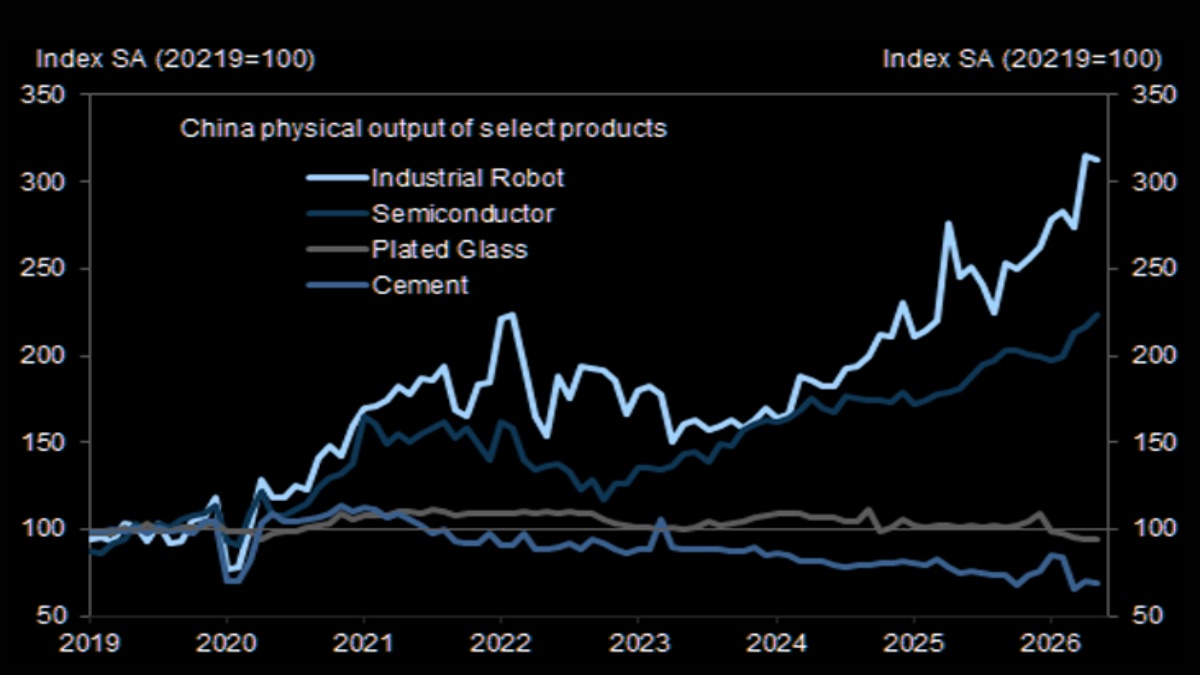
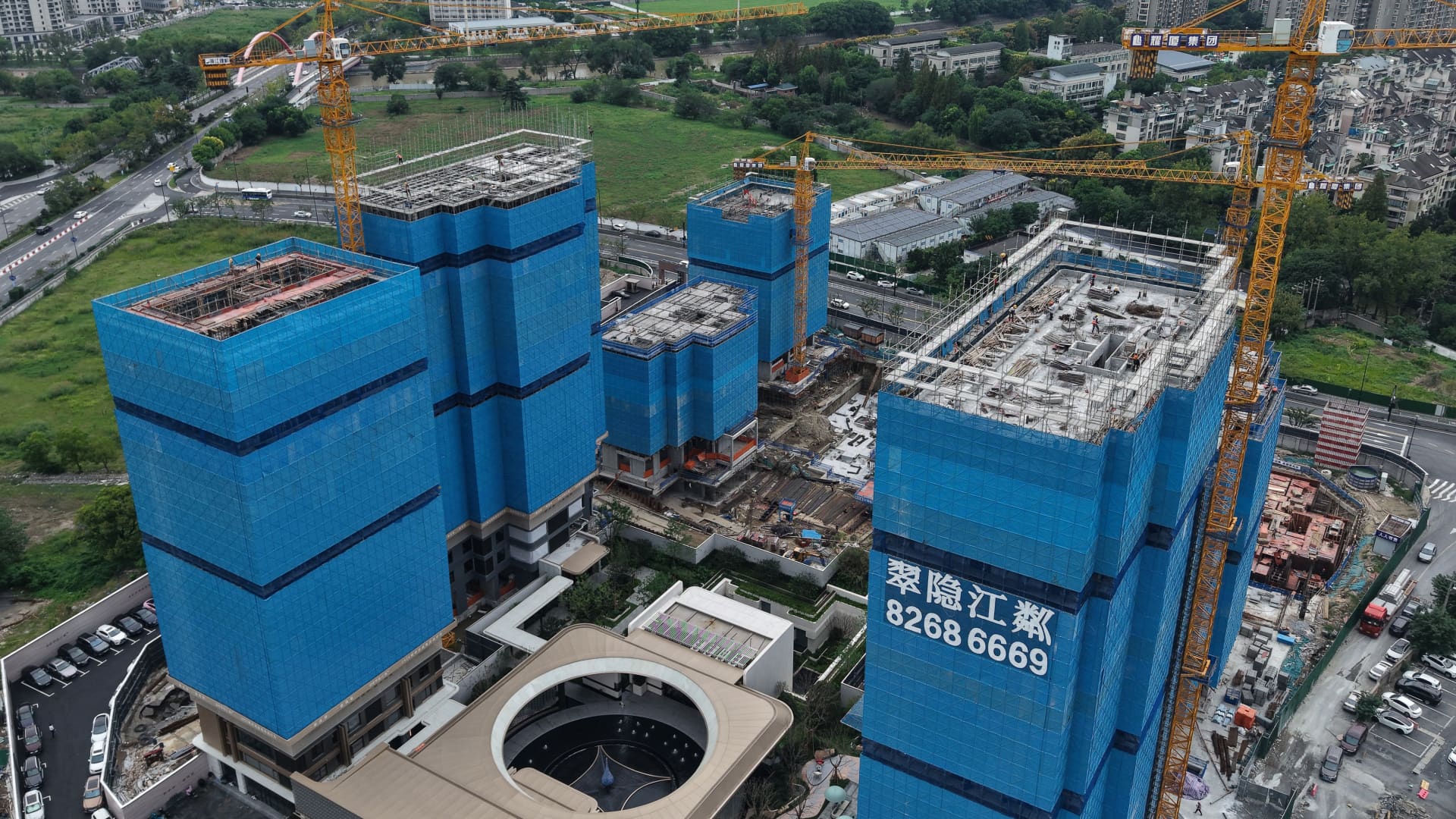
From 2023 to 2025, new industries such as artificial intelligence, robotics and electric cars added just 0.8 percentage points to economic output, while real estate and other traditional sectors saw a combined 6 percentage point decline, the report said. The analysis drew on official Chinese data and industry-specific sources.
The findings come as China seeks to boost technological self-reliance in response to U.S. restrictions. Under a five-year development plan set to kick off in earnest in March, Beijing is doubling down on advanced technologies with state investment and favorable policies.
“China’s growth strategy isn’t going to work,” Logan Wright, partner at Rhodium and a co-author of the report, told CNBC. “They’re not going to achieve their targeted rates of GDP growth based on the policies they have outlined so far.”
Beijing has targeted annual GDP growth of around 5% in recent years. For China to sustain that pace, new industries would need to expand sevenfold over the next five years to generate the roughly 2 percentage points of annual investment growth required, Rhodium estimated.